
TL;DR
Prime for Young Adults — start your free trial
Fast free delivery, streaming and member deals for eligible 18–24 year olds.
Try it freeAs an affiliate, we earn on qualifying purchases.
A good beginner yoga mat should be non-slip, comfortable, and durable. Thicker mats (4-6mm) offer extra support, while eco-friendly options grow in popularity. Regular cleaning extends your mat’s life and keeps it fresh.
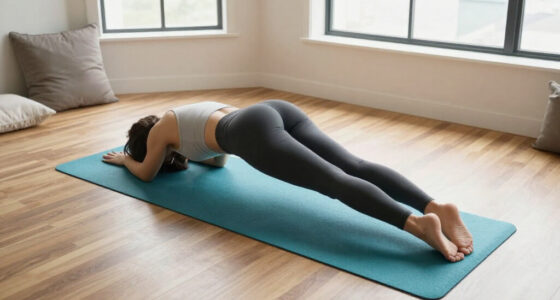
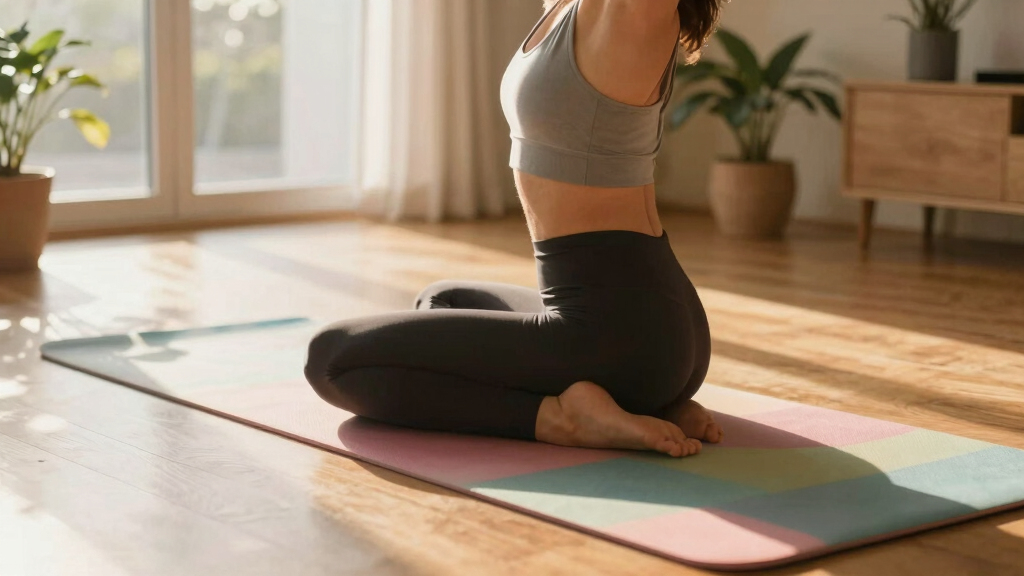
Imagine stepping onto a yoga mat that feels like it was made just for your body—soft enough to cushion your joints, with a grip that keeps you steady during your first Warrior pose. That’s what a good beginner yoga mat offers. It’s more than just a surface; it’s your foundation for building confidence and consistency.
Choosing the right mat might seem overwhelming with all the options out there. But once you understand what features matter—like grip, thickness, and material—you’ll pick one that makes your practice enjoyable and safe from day one.
A 4-6mm thick yoga mat strikes the best balance between comfort and stability for beginners.
Materials like natural rubber and TPE offer excellent grip and eco-friendliness, making them popular choices.
Regular cleaning with simple solutions extends your mat’s lifespan and keeps it hygienic.
Budget mats are suitable for starting out but consider upgrading as your practice deepens.
Prioritize grip, comfort, and size when choosing your first yoga mat to enhance your experience.
What Features Make a Yoga Mat Ideal for Beginners?
When starting yoga, your mat needs to support your body and your confidence. A beginner-friendly yoga mat should be non-slip, cushioned, and durable enough to withstand frequent use. For example, a 5mm thick mat provides enough padding for sensitive knees and elbows, making poses more comfortable. Materials like natural rubber or TPE offer good grip and eco-friendliness, which many beginners prefer.
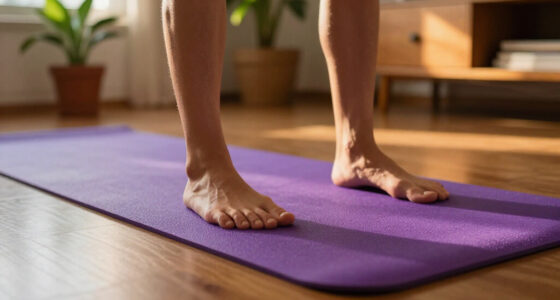
Think of your mat as a trusted partner—its grip keeps you steady, its texture feels good under your hands and feet, and it’s easy to clean after each session. Choosing a mat with these features helps you focus on your practice, not slipping or discomfort.
As an affiliate, we earn on qualifying purchases.
How to Pick a Yoga Mat That Fits Your Needs
- Decide on thickness: 4-6mm balances cushioning and stability, providing enough support for joints while maintaining balance during poses. Thinner mats (<3mm) may compromise comfort and lead to joint strain, while thicker ones (>6mm) can make balancing poses more difficult due to excessive cushioning. Understanding this tradeoff helps you choose a mat that supports your body without hindering your practice.
- Choose the material: Natural rubber and TPE are popular because they offer excellent grip and are environmentally friendly, reducing chemical exposure and supporting sustainability. PVC, while budget-friendly, often contains chemicals that may cause skin irritation and are less biodegradable. Your choice impacts not only your safety but also your environmental footprint. Material choice influences how well the mat grips your skin and how it wears over time; cheaper materials may slip or degrade faster, affecting safety and comfort.
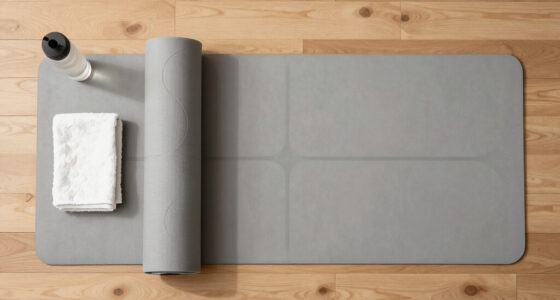
- Check the size: Standard length (68 inches) fits most, but taller practitioners or those practicing extended poses might prefer a 72-inch or longer mat. Larger mats provide more space for movement, reducing the risk of slipping off the edge, especially during dynamic sequences. The right size can significantly influence your confidence and stability during practice, particularly as you progress to more complex poses.
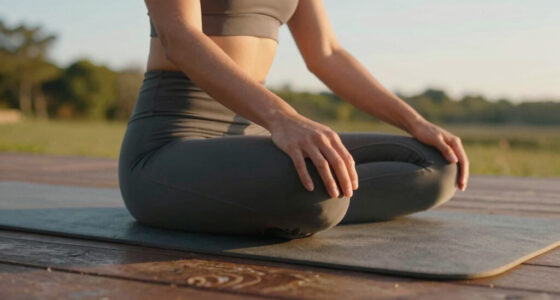
- Consider your practice style: For hot yoga or intense sessions, textured surfaces or antimicrobial coatings are beneficial to grip sweat and prevent bacterial growth. Recognizing these needs ensures your mat enhances safety and hygiene, which are critical for frequent or vigorous practice. Selecting a mat suited to your environment and intensity level helps prevent slips, skin irritations, and bacterial issues, making your practice safer and more enjoyable.
For example, if you practice hot yoga regularly, selecting a sweat-resistant, textured mat minimizes slipping and enhances safety. Additionally, consider your environment—outdoor practice may demand more durable, all-weather mats that resist dirt and moisture. Matching your mat to your practice style and environment ensures it supports your progress and comfort effectively.
As an affiliate, we earn on qualifying purchases.
Comparison Table: Budget vs. Premium Yoga Mats
| Feature | Budget Mats (<$30) | Premium Mats (>$60) |
|---|---|---|
| Materials | PVC, basic TPE | Natural rubber, cork, eco-friendly TPE |
| Grip | Good but may wear over time | Enhanced grip with advanced textures and anti-slip features |
| Comfort | Moderate cushioning that may compress over time | Thick, plush cushioning that maintains support over years |
| Durability | Less long-lasting; frequent replacement needed | More durable; can last 1-2 years or longer with proper care |
| Design Options | Limited colors, simple patterns | Vibrant colors, customizable or artistic designs |
As an affiliate, we earn on qualifying purchases.
Tips for Maintaining Your Yoga Mat and Making It Last
- Wipe down your mat with a damp cloth after each use to remove sweat and dirt, preventing the buildup of bacteria and odors that can compromise grip and hygiene.
- Use a gentle, natural cleaner or a mixture of water and white vinegar for deep cleaning—these solutions effectively eliminate bacteria and mold without damaging the material.
- Allow it to air dry completely before rolling it up to prevent mold, mildew, and unpleasant odors, which can develop if moisture is trapped inside.
- Store your mat in a cool, dry place away from direct sunlight to prevent the material from breaking down or fading. Proper storage maintains its grip and structural integrity over time.
- Replace your mat when it shows signs of excessive wear, loss of grip, or thinning—typically after 1-2 years of regular use. Recognizing these signs ensures your practice remains safe and comfortable.
As an affiliate, we earn on qualifying purchases.
Why Eco-Friendly Yoga Mats Are Gaining Ground
Eco-friendly yoga mats are made from natural or biodegradable materials like cork, jute, and natural rubber. They appeal to beginners who want to practice with less environmental impact. These mats often provide excellent grip and cushioning, making them a smart choice for your first purchase.
For instance, a beginner might choose a cork mat for its natural texture and antimicrobial properties. While they tend to cost more—around $50-$70—they last longer and feel good underfoot, turning your practice into a sustainable ritual.
Frequently Asked Questions
What is the best yoga mat for beginners?
The best yoga mat for beginners is one that offers a good balance of grip, cushioning, and affordability. Look for a non-slip surface, around 4-6mm thick, and made from eco-friendly materials if possible. Personal comfort and practice style matter most.
How thick should a beginner yoga mat be?
A thickness of 4-6mm is ideal for most beginners. It provides enough cushioning for sensitive joints without sacrificing stability. Thinner mats (<3mm) may be less comfortable, while thicker ones (>6mm) can feel unstable during balance poses.
Are eco-friendly mats worth the extra cost?
Yes, eco-friendly mats are sustainable, often made from non-toxic, biodegradable materials. They tend to last longer and provide better grip in many cases. While they may cost more upfront, they support healthier practices for both you and the planet.
How do I clean my yoga mat?
Wipe your mat with a damp cloth and mild soap after each use. For a deeper clean, spray it with a mixture of water and white vinegar or use a specialized yoga mat cleaner. Let it air dry before rolling it up to keep it fresh and odor-free.
Can I use a yoga mat outside?
Absolutely. Choose a mat with good grip and durability for outdoor surfaces. Look for thicker, textured mats that won’t slip on uneven ground. Always clean it afterward to remove dirt and debris.
Conclusion
Your first yoga mat isn’t just a piece of equipment—it’s the foundation of your new practice. Pick one with good grip, enough cushioning, and a size that fits your body and space. As you settle into your routine, remember: a well-chosen mat makes every pose feel a little more natural.
Now, step onto your mat with confidence. Your journey to better balance, strength, and calm begins with that simple, supportive surface beneath your feet.
Fall Picks
fall essentials
As an affiliate, we earn on qualifying purchases.