TL;DR

Get workout gear delivered free with Prime
- Fast, free delivery on millions of items
- Prime Video, Amazon Music and more included
- Member-only deals all year
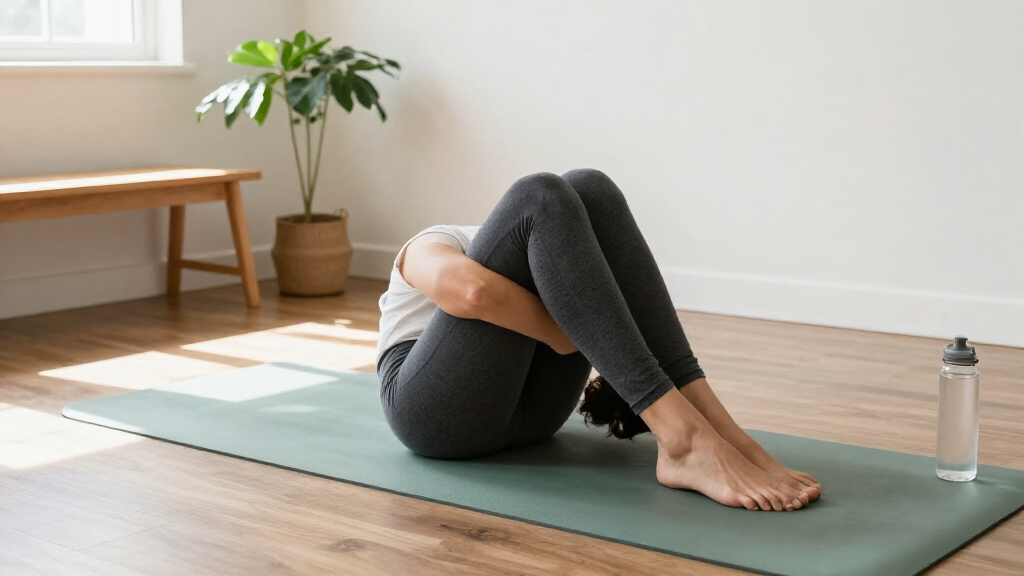
A Fit&Well report recommends the single-leg supine windshield wiper, a gentle movement that can be done lying on a bed, as an option for people who feel hip tightness. The report suggests holding each side for three to five breaths, but provides no clinical evidence that the pose treats or resolves hip pain.
Fit&Well has highlighted a bed-friendly yoga pose called the single-leg supine windshield wiper as a gentle way to move the hips and lower back when they feel tight. The movement is done lying on the back and involves lowering one bent knee toward the opposite side; the report recommends three to five breaths on each side, while not presenting clinical evidence that it treats pain or an underlying condition.
To begin, lie on your back with your knees bent and feet flat on the mattress or floor, set slightly wider than hip-width apart. Keep your arms relaxed beside you, palms down, or bend your elbows with your arms in a cactus shape. After preparing with an inhale, lower one knee across the body toward the floor beside the opposite foot. Pause for three to five breaths, return to the starting position slowly and repeat on the other side.
The Fit&Well report describes the pose as an option for people seeking a gentle lower-body twist and says the single-sided version lets each hip receive individual attention. It also offers a breath-linked variation: lower the knee while exhaling and bring it back while inhaling. The report suggests three to five repetitions per side, though its step-by-step instructions specify a three-to-five-breath hold rather than a required number of repetitions.
The pose can be performed on a bed, so it does not require a yoga mat or getting up first. Fit&Well’s contributor says they use it in yoga therapy work and after waking. That is the contributor’s experience, not evidence that the movement will have the same effect for everyone. The article also mentions a double-leg variation but favors the single-leg version for focusing on one side at a time.
A Low-Barrier Hip Movement
The suggestion may appeal to readers who want a simple movement they can do at home without equipment or a dedicated exercise space. Performing it on a bed may make it easier to try as part of a morning routine, while the one-side-at-a-time format offers a way to notice differences in comfort between hips.
However, the report describes a wellness practice, not a medical treatment. Feeling tightness can have different causes, and the source does not establish that this pose relieves persistent pain, improves mobility over time or is appropriate for every person. Readers should treat it as an optional, gentle movement rather than a substitute for medical advice.
Products Worth Considering

BowFlex Results Series SelectTech Adjustable Dumbbells, Pair

Garmin Venu 3 Fitness Smartwatch, 45 mm, Black

Withings BPM Connect Smart Blood Pressure Monitor
As an affiliate, we earn on qualifying purchases.
How the Pose Is Presented
The source is a Fit&Well wellness report about using a single yoga pose rather than a longer or more demanding routine. Its contributor says they often use one or two poses for a week or more when a body area feels tight, emphasizing consistency. This is the contributor’s approach, not a tested schedule or a prescription for readers.
The article frames the movement as adaptable and says it may be done on a bed or floor. It describes potential sensations and uses—including a gentle twist and lower-body movement—but does not cite a study, clinical trial or independent assessment of the pose. The material provided also does not identify the contributor by name or give a publication date.
“What counts is consistency.”
— Fit&Well report
Limits of the Reported Benefits
The source does not provide clinical evidence or measured outcomes showing that the pose eases hip tightness, nor does it explain how long any effect might last. Its descriptions of releasing tension, calming the body and supporting emotional balance are presented as claims in the report, not as independently verified results.
It is also unclear who should avoid the movement, how it should be modified for particular injuries or health conditions, and whether doing it on a soft mattress changes the movement’s range or stability. The instructions do not set out a pain threshold or a progression plan. Anyone who feels pain, numbness or worsening symptoms should stop rather than force the knee lower; persistent or concerning symptoms warrant advice from a qualified health professional.
Trying the Movement Safely
The source provides no announced follow-up study or additional milestone. For readers who choose to try the pose, the immediate next step is to follow the basic instructions with a comfortable, controlled range of motion, keeping the movement gentle and stopping if it causes discomfort. The knee does not need to reach the mattress.
People with an injury, ongoing hip or back symptoms, or a condition that affects movement should ask a qualified clinician for guidance before adding the pose to a routine. The report’s suggested three-to-five-breath hold is a starting instruction from the article, not a guarantee of benefit or a requirement to continue if the position does not feel comfortable.
Key Questions
What is the single-leg supine windshield wiper?
It is a lying-down movement in which you bend both knees, keep your feet planted and lower one knee toward the opposite side before returning to the start and switching sides.
Can I do the pose in bed?
Yes. Fit&Well says it can be done on a bed or the floor, with no yoga mat required. Choose a position that feels stable and comfortable.
How long should I hold each side?
The report suggests holding each side for three to five breaths. It also lists three to five repetitions per side, but does not explain whether that repetition count is intended to be in addition to the breath-hold instruction.
Does the pose treat hip pain?
The source does not establish that it treats hip pain or an underlying condition. It presents the movement as a gentle option for people who feel tightness, and its claimed benefits are not backed by clinical evidence in the report.
Source: fitandwell.com