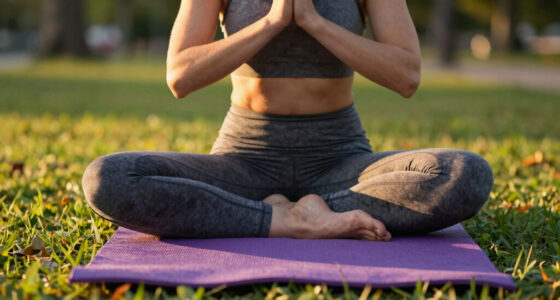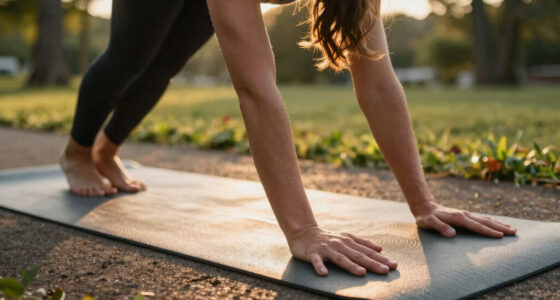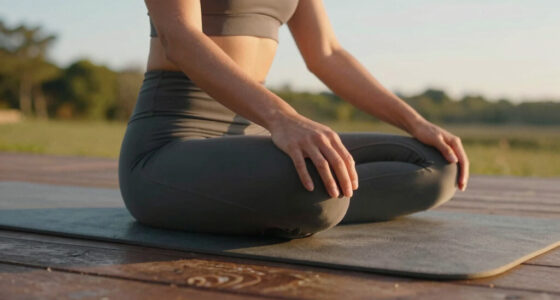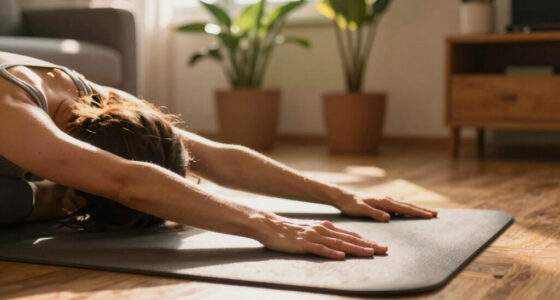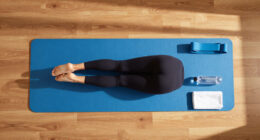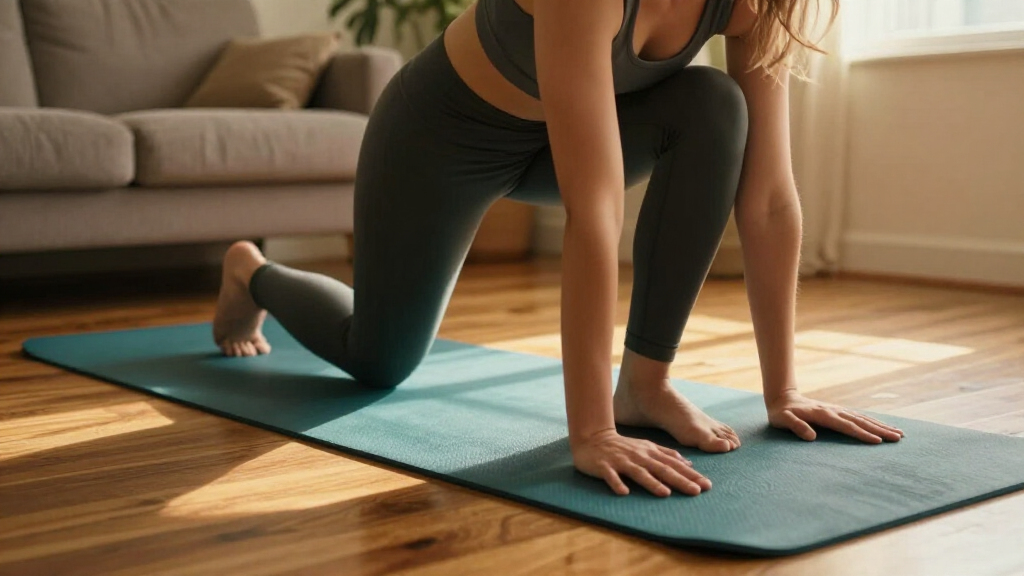
Choose and set up a yoga mat that gives you enough room, cushioning, and grip for the poses you practice at home. This guide is for beginners and occasional practitioners comparing mats or preparing a mat they already own. Allow about 20–40 minutes to review your needs and set up your space, then a few minutes to check the mat with basic movements.

Get workout gear delivered free with Prime
- Fast, free delivery on millions of items
- Prime Video, Amazon Music and more included
- Member-only deals all year

PAIDU Extra Thick POE Yoga Mat with Carry Strap, 72 x 24 in, 10 mm
- ✔ Material: POE and thermoplastic elastomers
- ✔ Dimensions: 72 x 24 in
- ✔ Thickness: 10 mm

Timgle 24-Pack Extra-Long EVA Yoga Mats, 68 x 24 in, 4 mm Thick
- ✔ Material: EVA
- ✔ Quantity: 24 mats
- ✔ Dimensions: 68 x 24 in each

Funtery 3 mm PVC Yoga Mats, 16-Pack, 68 x 24 in
- ✔ Material: PVC
- ✔ Quantity: 16 mats
- ✔ Dimensions: 68.11 x 24.02 in each
Difficulty: Beginner | Time: 20–40 minutes to choose and set up; 5–10 minutes for a grip check
What You’ll Need
Tools & Materials:
- A tape measure or a clear estimate of your height
- A clean, flat floor with enough open space
- A yoga mat, or access to product dimensions and material details when shopping
- A damp cloth and mild soap for cleaning, if needed
Knowledge:
- Know whether your practice is mostly gentle, standing, flowing, or a mix
- Know whether you prefer extra cushioning or a firmer, more stable surface
Check the mat maker’s care instructions before using soap, disinfectant, or a washing machine. Some materials can be damaged by heat, soaking, or strong cleaners. If you have a health condition or need specialized joint support, ask a qualified health professional about suitable cushioning.
PAIDU Extra Thick POE Yoga Mat with Carry Strap, 72 x 24 in, 10 mm
For a home practitioner who rolls out one mat on a hard floor, PAIDU’s 10 mm thickness is the clearest advantage in this lineup. It offers far more padding than the 4 mm Timgle or 3 mm Funtery mats, which can make kneeling poses and floor exercises more comfortable. Its 72-inch length also gives taller users a little more room than the two 68-inch sets. The double-sided non-slip surfaces add flexibility when choosing which side to place against the floor.That extra support comes with practical compromises. This mat is the heaviest-feeling solo option and needs space to roll and dry flat after spot cleaning. Its listed weight is inconsistent, so buyers should not assume it is featherlight just because it has a carry strap. Compared with Timgle and Funtery, PAIDU is a much better fit for one person’s comfort than for outfitting a household or group. Skip it if you want a thin mat that stores in a narrow space or something that is easy to carry regularly.
Pros:
- 10 mm thickness provides the most cushioning in this comparison.
- 72-inch length gives more room than the 68-inch alternatives.
- Double-sided non-slip surfaces and a carry strap are included.
- POE construction is latex- and PVC-free.
Cons:
- The extra-thick mat may feel bulky to roll, move, or store.
- Care requires spot cleaning and flat drying.
- Listed weight varies between the specifications and description.
Best for: Home practitioners who want substantial padding for knees and other pressure points on hard floors.
Not ideal for: People who prioritize compact storage, low carry weight, or several mats for a shared workout space.
Bottom line: We recommend PAIDU for solo home practice when cushioning matters more than a compact, lightweight mat.
“We recommend PAIDU for solo home practice when cushioning matters more than a compact, lightweight mat.”
Timgle 24-Pack Extra-Long EVA Yoga Mats, 68 x 24 in, 4 mm Thick
When home practice involves several people, 24 mats in six colors make Timgle the most practical choice in the lineup. Each mat is 68 by 24 inches, so users get a standard full-size surface, and the 4 mm thickness gives it a modest cushioning edge over Funtery’s 3 mm design. That extra millimeter will not match PAIDU’s 10 mm support, but it helps make Timgle more suitable for shared stretching, aerobics, and general floor workouts than a very thin mat.The quantity is its defining strength, but it also introduces upkeep and setup considerations. Timgle recommends airing the mats out for 24–48 hours before use, a step to plan for if the set will be used right away. They are hand-wash only, unlike Funtery’s wipe-clean care, and the full set weighs 15.9 pounds to manage when distributing or storing. Choose this set for a family workout room, visiting guests, or group sessions; for an individual focused on joint comfort, PAIDU is the more supportive option.
Pros:
- Includes 24 mats in six colors, with four of each color.
- 4 mm thickness provides more padding than the Funtery mats.
- Tear-resistant EVA is suited to yoga and other floor workouts.
- 68 x 24-inch dimensions provide a full practice area.
Cons:
- Mats should air out for 24–48 hours before use.
- Hand-wash-only care takes more effort than wiping down Funtery.
- 4 mm thickness offers much less cushioning than PAIDU’s 10 mm mat.
Best for: Households, shared home gyms, or informal group sessions that need many matching-size mats.
Not ideal for: Solo users seeking deep cushioning or buyers who need mats ready to use without airing them first.
Bottom line: We would choose Timgle when the priority is equipping a group, with moderate padding and airing time accepted as tradeoffs.
“We would choose Timgle when the priority is equipping a group, with moderate padding and airing time accepted as tradeoffs.”
Funtery 3 mm PVC Yoga Mats, 16-Pack, 68 x 24 in
Funtery is the easier bulk set to manage when lightweight handling and simple care matter more than deeper cushioning. It includes 16 mats, two-thirds the quantity of Timgle, but its 3 mm PVC design is light and its surface can be wiped clean with water and vinegar or mild detergent. Seven color options also make it easier to assign mats to different people or create a varied home workout area.Against Timgle’s 4 mm EVA mats, Funtery gives up a little padding and some set quantity, so it is less compelling for a large group or anyone who spends long sessions kneeling on a hard floor. The textured honeycomb surface is intended to provide traction, while the 68 x 24-inch size matches the Timgle mat dimensions. Its combination of portability and wipe-down care makes most sense for light practice, occasional guests, or a multipurpose room where mats are frequently put away. Choose PAIDU instead if comfort under pressure is your leading concern.
Pros:
- Sixteen mats are supplied in seven colors.
- Lightweight design is convenient to move and put away.
- Honeycomb texture is designed to provide traction.
- Can be wiped clean and air dried.
Cons:
- 3 mm thickness gives less cushioning than Timgle’s 4 mm mats.
- A 16-mat set has fewer mats than Timgle’s 24-pack.
- Limited padding may be uncomfortable for sensitive knees on hard floors.
Best for: Homes that need several easy-to-move mats for light yoga, Pilates, or occasional guest use.
Not ideal for: Practitioners wanting substantial joint protection or a large group set with more than 16 mats.
Bottom line: We favor Funtery for homes that value an easy-care, lighter group set and can accept thinner cushioning.
“We favor Funtery for homes that value an easy-care, lighter group set and can accept thinner cushioning.”
As an Amazon Associate we earn from qualifying purchases.
Before You Start
Clear furniture, sharp objects, and loose rugs from the practice area. The mat should lie flat on a non-slippery floor, with room to reach your arms and step safely around its edges. A mat can improve comfort and provide a defined surface, but it cannot make an unstable or cluttered floor safe.
When comparing products, check the stated length, width, thickness, weight, surface texture, and care instructions. Product names such as “non-slip” or “extra grip” do not guarantee the same feel for every person. If possible, try the surface or check the return policy before buying.
Step-by-Step Instructions
Step 1: Match the mat to your practice
Write down the types of movement you do most often. For standing poses and flowing sequences, prioritize a stable surface with dependable grip. For gentle floor work, restorative poses, or kneeling, consider more cushioning. If your sessions include both, look for a balance: a mat that cushions your knees without feeling too soft beneath your hands and feet.
Decide which trade-off matters most to you. A thicker mat can feel more comfortable on a hard floor, but may feel less stable in balance poses. A thin mat is easier to carry and may feel firm, but can offer less relief for sensitive joints.
Tip: A mat is a comfort and grip aid, not a substitute for a separate knee pad or medical support when one is needed.
Check: You can describe your main use and your priority, such as firm grip for flowing practice or added comfort for floor poses.
Step 2: Check the dimensions
Compare the mat’s length with your height. Lie down on the floor or measure your body from head to heel, then choose a mat long enough for you to rest without your head or feet extending off the surface. Check the width against your usual arm positions; you should be able to extend your arms without immediately reaching the floor.
Measure the available floor area before ordering. Leave space around the mat so you can step on and off without hitting furniture or walls. If you practice in a shared room, also consider where you can store a rolled mat between sessions.
Tip: Do not assume every mat has standard dimensions. Check the listed measurements for the exact model and size.
Check: The mat fits your body and practice area, with enough clear floor around it for safe movement.
Step 3: Compare thickness, surface, and material
Read the thickness and material details rather than judging a mat by appearance alone. If possible, press your palm and knee into a sample or your current mat. Notice whether it compresses enough to feel comfortable and whether your hand still feels supported. Look at surface texture and ask whether it is intended to improve grip or provide a smoother feel.
Check the manufacturer’s description for any break-in or cleaning instructions. Materials vary in weight, feel, durability, and care needs. If you sweat heavily or practice vigorous sequences, give grip and cleaning guidance extra attention. If you need to transport the mat, compare its weight and rolled size with what you can comfortably carry.
Tip: A soft surface may feel pleasant at first but can make standing balance less steady. Consider the kinds of poses you do before choosing extra thickness.
Check: You have checked the mat’s listed dimensions, cushioning, surface, weight, and care requirements against your needs.
Step 4: Inspect and clean the mat
Unroll the mat on a clean floor and check both sides for tears, sticky residue, rough seams, or strong odors. Place it with the intended practice surface facing up. If it is new, follow its packaging or maker’s directions; some mats need airing out or a specific first cleaning.
For routine cleaning, use only a method allowed by the manufacturer. When mild soap and water are permitted, apply a small amount to a damp cloth, wipe the surface, and remove soap residue with a clean damp cloth. Let the mat dry fully before rolling it up. Do not use a cleaner just because it is labeled antibacterial; ingredients can affect the mat surface.
Tip: Avoid leaving a mat in direct sun or near a heater unless its care instructions say that is safe.
Check: The mat is intact, clean, dry, and placed with the correct side facing up.
Step 5: Set up and test the practice area
Place the mat on a dry, level floor and smooth out curled edges. Stand at its center and gently shift your weight from foot to foot. Then try a comfortable downward-facing position or another familiar pose that puts weight through your hands. Move slowly and stop if the mat slides, bunches, or feels unexpectedly unstable.
Check whether your hands and feet stay in place during a few controlled movements. Test a kneeling position if you need to assess cushioning. If the floor is slippery or the mat moves, stop and address the floor or mat placement before continuing your practice.
Tip: Test grip with clean, dry hands first. Sweat, lotions, and surface coatings can change how a mat feels.
Check: The mat stays flat and in place during gentle weight shifts, and its grip and cushioning feel suitable for familiar movements.
Step 6: Store the mat according to its care needs
After practice, let the mat dry completely if it is damp. Roll it loosely with the practice surface facing outward or inward according to the maker’s instructions, then store it in a cool, dry place away from sharp objects and prolonged direct sunlight. If the mat has a carrying strap or bag, use it only after the mat is dry.
Wipe the mat after sweaty sessions using the approved cleaning method. Check it periodically for worn patches, peeling, or changes in grip. Replace it when damage or loss of traction makes your practice unstable.
Tip: Rolling a damp mat can trap moisture and cause odor or surface damage.
Check: The mat is dry, clean, and stored where it will not be crushed, overheated, or exposed to sharp edges.
Common Mistakes to Avoid
- Choosing a mat based only on thickness. — Compare cushioning with stability and grip. Test a sample or use the return period to check familiar poses, if available.
- Buying a mat without checking its length or width. — Measure your body and practice area, then compare those measurements with the exact product listing.
- Assuming a new mat is ready to use without checking its surface. — Inspect it, follow any airing or first-cleaning directions, and test grip before a full session.
- Rolling the mat up while damp or cleaning it with an unapproved product. — Follow the care instructions, remove residue as directed, and let the mat dry fully before storage.
Troubleshooting
Problem: The mat slides across the floor.
Solution: Stop practicing. Dry the floor and the mat’s underside, remove dust, and place the mat on a stable, clean surface. If it still slides, check whether the mat is worn or unsuitable for that floor.
Problem: Your hands or feet slip on the top surface.
Solution: Pause and wipe away sweat or residue using the approved method. Check the maker’s guidance for new-mat preparation. If slipping continues when the surface is clean and dry, choose a mat with a texture or material that better suits your practice.
Problem: Your knees feel uncomfortable on the mat.
Solution: Try a thicker or more cushioned surface, or add a folded towel or purpose-made knee pad for kneeling poses. Stop if pain continues, and seek professional guidance if needed.
Problem: The mat edges curl or it will not lie flat.
Solution: Unroll it in a warm indoor room and give it time to relax, following the maker’s advice. Do not use weights or heat that could damage it. Replace it if persistent curling creates a trip hazard.
What Success Looks Like
Your mat lies flat on a clear, dry floor, fits your body and practice space, and stays in place during gentle weight shifts. Its grip feels dependable during familiar movements, and its cushioning suits the poses you do. You know how to clean and store it according to the maker’s instructions.
Next Steps
Use the mat for a short, familiar session before relying on it for longer or faster sequences. After each practice, let it dry and clean it as needed. Recheck its grip and condition regularly, especially if you practice often or sweat heavily. If it becomes slippery, damaged, or uncomfortable, review its care directions and consider a mat with different surface, cushioning, or dimensions.
Frequently Asked Questions
How thick should a yoga mat be for home practice?
Choose thickness based on your floor, comfort needs, and the poses you practice. More cushioning can help during kneeling and floor work, while a firmer surface can feel steadier for standing balance. Test the feel if you can.
How do I know whether a yoga mat is long enough?
Compare its stated length with your height and how you rest on the floor. You should be able to lie down without your head or feet extending off the mat. Check the width too if your practice includes wide arm positions.
Can I use a regular household cleaner on my mat?
Use only cleaners allowed by the manufacturer. Some solvents, oils, and strong disinfectants can damage the surface or reduce grip. Check the care instructions before applying a product.
Why does my new yoga mat feel slippery?
It may have a surface coating, dust, or residue, or the material may need preparation specified by the maker. Follow the first-use instructions and test again with clean, dry hands. If it remains slippery, the mat may not suit your practice.