
TL;DR

Get workout gear delivered free with Prime
- Fast, free delivery on millions of items
- Prime Video, Amazon Music and more included
- Member-only deals all year
A cross-sectional study of 250 home-care patients and informal caregivers in New York found that household conditions can create challenges for infection prevention during care at home. Poor lighting was the most common hazard recorded, while difficulty paying medical bills was associated with greater environmental hazard risks and clutter, according to the study’s lead author.
A study of 250 home healthcare patients and caregivers in New York found that conditions such as poor lighting, clutter and infestations can complicate infection prevention in patients’ homes. Published in the American Journal of Infection Control, the research points to a need for providers to identify households where the care environment may require additional support.
Researchers surveyed people receiving home healthcare and informal family caregivers connected to two Medicare-certified agencies in New York. Of the 250 respondents, 52.8% were care recipients and 47.2% were family caregivers; the average age was 63.5. Trained research assistants visited patients’ living spaces and rated hazards relevant to delivering care and preventing infection.
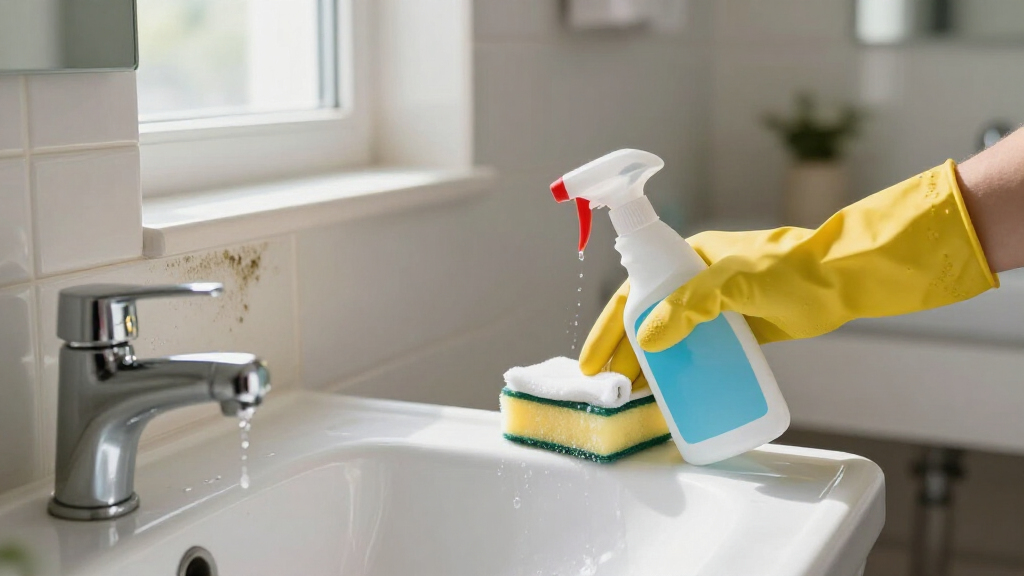
The assessment covered clutter, poor lighting, infestation, hoarding, and dirt or grime. Researchers distinguished clutter from hoarding: clutter described how much of a surface was crowded, while hoarding referred to clutter that made a space unusable for its intended purpose. The study found that respondents’ homes were generally clean, with moderate amounts of clutter. Poor lighting was the most common hazard, followed by vermin infestation.
The report also examined social factors. Study findings associated older age, identifying as Hispanic and more favorable attitudes toward infection prevention with greater cleanliness. Neighborhood deprivation was associated with lower clutter scores. Margaret McDonald, the study’s lead author and an associate vice president at VNS Health’s Center for Home Care Policy and Research, told Home Health Care News that respondents who discussed difficulty paying medical bills had higher environmental hazard risks and clutter.
Home Conditions Shape Care Delivery
The findings matter because home healthcare is delivered in environments that clinicians do not control in the same way they can manage a facility’s treatment space. A crowded work surface or inadequate light may make it harder to carry out care procedures or follow instructions from a clinical team. The study identifies these issues as potential obstacles; it does not establish that a particular household hazard caused an infection.
For providers, the results suggest that infection-prevention planning may need to account for housing conditions and social needs as well as medical risks. McDonald told Home Health Care News that agencies could use a more structured checklist to identify clients who need additional help. Social workers may then connect households with services such as cleaning, decluttering or a home health aide. Whether those steps reduce infections was not established by this study.
Products Worth Considering

Fitbit Sense 2 Health and Fitness Smartwatch – Shadow Grey/Graphite

Therabody Theragun Prime 6th Generation Deep Tissue Massage Gun, Navy

Garmin Forerunner 165 GPS Running Smartwatch, 43 mm, Black
As an affiliate, we earn on qualifying purchases.
How Researchers Assessed Home Hazards
The research used a cross-sectional design, examining patients’ environments and related factors at a point in time rather than tracking changes over an extended period. In-person assessments were conducted in patients’ living spaces, with research assistants rating the selected hazards on a five-point scale. For clutter, the researchers considered how much of a surface remained clear: a space that was 90% to 100% clear had no clutter, while one with 0% to 49% clear space was rated very cluttered.
Home-based care presents practical challenges that differ from facility settings, including limited work surfaces and varying light. McDonald, whose organization VNS Health provides home health and other services in New York, said patients receiving home care can have complex medical needs without the same environment available in outpatient settings. The study’s authors also considered social determinants of health, including neighborhood conditions and financial strain.
Limits of the New York Survey
The study surveyed 250 respondents linked to two agencies in New York, so the findings do not by themselves show how common the same hazards are across all home healthcare settings. The cross-sectional design also cannot establish that a household condition caused an infection or determine whether a checklist or added home services would prevent one.
The report does not provide evidence here on infection outcomes, the size of any hazard-related risk, or the effectiveness and availability of recommended support services. It also does not establish why poor lighting was the most frequently observed hazard. Those questions remain open beyond the survey’s findings.
Screening and Support for Households
The study’s recommendations focus on providers identifying environmental needs during home-care visits. A structured checklist could help flag issues such as poor lighting, clutter or infestation and prompt referrals for cleaning, decluttering or additional caregiving assistance, McDonald told Home Health Care News. The report does not set out a specific rollout schedule or say that participating agencies have adopted such a checklist.
Further research would be needed to test whether screening and referrals improve home-care conditions or infection-prevention outcomes, and whether findings from these New York agencies apply more broadly. For now, the study documents household hazards and related social factors as issues providers may need to assess alongside patients’ clinical needs.
Key Questions
What did the study find?
The study found that poor lighting was the most common household hazard observed, followed by vermin infestation. Respondents’ homes were generally clean and had moderate amounts of clutter.
How many people took part?
The survey included 250 respondents connected to two Medicare-certified home healthcare agencies in New York. About 52.8% were care recipients and 47.2% were informal family caregivers.
Does the study show that household hazards cause infections?
No. The cross-sectional study examined household conditions and infection-prevention challenges; it did not establish that a specific hazard caused infections or measure whether a particular intervention prevents them.
Margaret McDonald said providers could use a more structured checklist to identify patients who may need added home support. Social workers could help connect families with services such as cleaning, decluttering or a home health aide.
Source: rss