

TL;DR

Get workout gear delivered free with Prime
- Fast, free delivery on millions of items
- Prime Video, Amazon Music and more included
- Member-only deals all year
A Tiny Buddha essay describes its author weighing whether to tell an old friend about a chronic health issue, then not making the disclosure. The author distinguishes a considered choice to protect privacy from avoidance that happens by default, while leaving open whether the friend will ever be told.
Tiny Buddha has published a personal essay in which a psychologist recounts deciding whether to tell an old friend about a chronic health issue, then allowing the conversation to end without sharing it. The account is not a study or a report of a new policy; it offers a first-person examination of the difference between choosing privacy and avoiding a decision by default.
The author describes messaging a former graduate-school friend late at night, after the routine exchange of family and work updates had run its course. He considered telling her about his health and the previous year, but says embarrassment and concern about how the information might be received made disclosure difficult. The essay identifies three thoughts that helped him hold back: it was late, his friend was tired, and she did not share every illness she faced herself.
The author calls the first two reasons a form of avoidance presented as consideration, while describing the third as scorekeeping. He also identifies a different concern: he does not want someone else to pass on his health information in a way he cannot shape, or for acquaintances who know him less well to reduce him to a medical label. The essay treats that concern as a legitimate interest in privacy, not simply another excuse.
A bad dream woke the author’s daughter, ending the exchange before he had decided what to do. The next morning, he did not message his friend to resume the subject. He writes that the deliberation had been interrupted, not resolved, and says he still has not told her. The source does not say whether he later made a decision or whether the friend knows about his condition.
Privacy and Avoidance in Disclosure
The essay focuses on a familiar but difficult distinction: not sharing personal information can be a deliberate boundary, while silence can also follow from unease without a clear choice. That distinction matters because treating every nondisclosure as a failure of openness can dismiss a person’s right to privacy; treating every hesitation as a settled boundary can hide an unexamined reluctance.
The author’s account also shows how a seemingly considerate explanation may not be the whole reason for holding back. He initially frames the timing and his friend’s tiredness as reasons not to burden her, then notes that those circumstances no longer applied the next day. That reflection is specific to his experience, not evidence that the same motives explain other people’s decisions. The essay’s practical contribution is a prompt for readers to ask whether a choice reflects their wishes and boundaries, rather than pressure to disclose.
Products Worth Considering

Coway Mighty AP-1512HH(W) Air Purifier, White
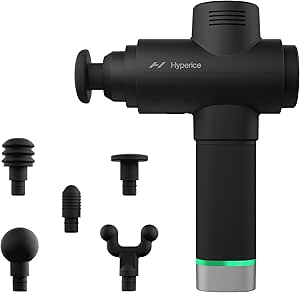
Hyperice Hypervolt 2 Pro Handheld Percussion Massage Gun

Fitbit Sense 2 Health and Fitness Smartwatch (Lunar White/Platinum)
As an affiliate, we earn on qualifying purchases.
The Conversation That Stalled
The source is a first-person essay published by Tiny Buddha, not independent reporting or clinical research. Its author says he and the friend are both psychologists, but the piece presents their late-night exchange as a personal episode rather than a professional case study. No research findings, interviews with other people or outside expert comments are included.
The essay begins with routine messages and reaches a point where the author could either share something more personal or end the conversation with a goodnight. His daughter wakes from a nightmare before he acts. In the morning, everyday responsibilities carry him forward, and writing later feels artificial to him. The account ends with the author still weighing his concern about others telling his story without his control.
“The deliberation wasn’t resolved. It was interrupted.”
— The essay’s author
Whether He Will Tell Her
The essay leaves the central decision open: the author says he still has not told his friend and may never do so. It does not establish what the friend would have said, whether she would have kept the information private, or how the author will ultimately weigh disclosure against privacy. The source also provides no information about the author’s diagnosis beyond describing the health issue as chronic, and no evidence that would support general conclusions about how people handle vulnerability.
No Further Decision Reported
The source describes no scheduled follow-up, response from the friend or further development. The author says the concern about losing control of his story remains, while recognizing that his earlier reasons about the late hour and his friend’s tiredness no longer explained his silence the next morning. Whether he chooses to disclose the health information remains unknown; the essay’s account ends with that unresolved choice rather than a stated plan.
Key Questions
What happened in the essay?
The author considered telling an old friend about a chronic health issue during a late-night conversation, but the exchange ended before he decided. He did not return to the subject the next morning.
Does the author say he will tell his friend?
No. He says he still has not told her and may never do so. The essay does not report a final decision.
What reasons did he give for holding back?
He cites the late hour, his friend’s tiredness and a thought that she did not share every illness she faced. He also describes a separate concern that others might pass on his health information in a way he could not control.
Does the essay argue that people should disclose private information?
No. The author says people have a right not to share. His point is that a deliberate choice to protect privacy differs from drifting into silence without deciding.
Source: tinybuddha.com