
TL;DR

Get workout gear delivered free with Prime
- Fast, free delivery on millions of items
- Prime Video, Amazon Music and more included
- Member-only deals all year
Trainer and liftCLINIC CEO Amanda Lim shared a sample week combining strength training, running, walking, yoga and postpartum core rehabilitation. She also recommends judging progress through measures such as strength and muscle mass rather than relying on the scale alone; her routine and advice are personal, not a universal prescription.
Trainer and liftCLINIC CEO Amanda Lim has shared a sample of her weekly exercise routine, which combines strength training, cardio, walking, yoga and postpartum core rehabilitation. In an interview with Fit&Well, Lim also argued that people should separate body weight from their broader assessment of health, describing strength and muscle measurements as other ways she monitors her own progress.
Lim, 43, has worked as a trainer for more than 20 years and leads liftCLINIC, which the source describes as a metabolic health center focused on longevity. Her example schedule begins with a leg-focused strength session on Monday and an upper-body strength workout on Tuesday. On Wednesday, she does postpartum core rehabilitation; Thursday is for walking as active recovery.
The remaining days mix different forms of activity: Lim schedules high-intensity running intervals and yoga on Friday, a power-focused workout on Saturday, and a zone two run on Sunday. The routine is an example of what she does, not a recommendation that readers follow the same frequency or intensity. The report does not provide details such as workout duration, interval structure, or how she adjusts sessions according to recovery.
Lim’s five suggestions for consistency are to avoid relying on the scale as a progress measure, make use of the beginner stage, learn new physical skills, start with walking and practise self-compassion. She says she tracks the weights she lifts and her muscle mass. For people starting from little or no exercise, she recommends beginning with a five-minute walk and building from there.
Progress Beyond Body Weight
Lim’s advice highlights a distinction relevant to people who use weight as their main measure of fitness: a scale reading is one measurement, while strength, muscle mass and other health indicators describe different aspects of the body. Her comments are personal guidance, not evidence that weight is irrelevant or that any single alternative measure can assess a person’s overall health.
The routine also offers a practical example of combining strength, aerobic activity and recovery across a week, rather than focusing on one type of exercise. Lim’s recommendation to start with a brief walk may feel more attainable to beginners than adopting a demanding schedule immediately. Individual ability, health conditions and recovery needs vary, so the sample should not be treated as a one-size-fits-all plan.
Her inclusion of postpartum core rehabilitation reflects her view that this work can remain part of longer-term fitness. Lim says she is a mother of three and that her youngest child is two and a half. The source provides her perspective, but does not present clinical evidence or detailed guidance on postpartum rehabilitation or perimenopause.
Products Worth Considering

Bowflex SelectTech 840 Adjustable Kettlebell

Levoit Core 400S-P Smart Air Purifier for Large Rooms

BowFlex Results Series SelectTech Adjustable Dumbbells, Pair
As an affiliate, we earn on qualifying purchases.
Lim’s Routine and Approach
The report presents Lim’s schedule alongside advice on forming a consistent exercise routine. Her week includes three strength or power-focused sessions, running on Friday and Sunday, walking for active recovery, yoga, and a dedicated core rehabilitation session. The listed times range from a 7 a.m. Friday workout to a 5 p.m. Thursday walk; the article does not say whether those times are fixed or simply represent one typical week.
Lim says that beginners can make noticeable early gains in muscle development and encourages them to try learning skills such as a cartwheel or handstand progression. She also refers to six commonly discussed lifestyle medicine pillars—nutrition, sleep, physical activity, stress management, social connection and minimizing exposure to harmful substances—and describes self-compassion as a seventh pillar. That final description is her own framing in the interview, rather than a formal finding established by the report.
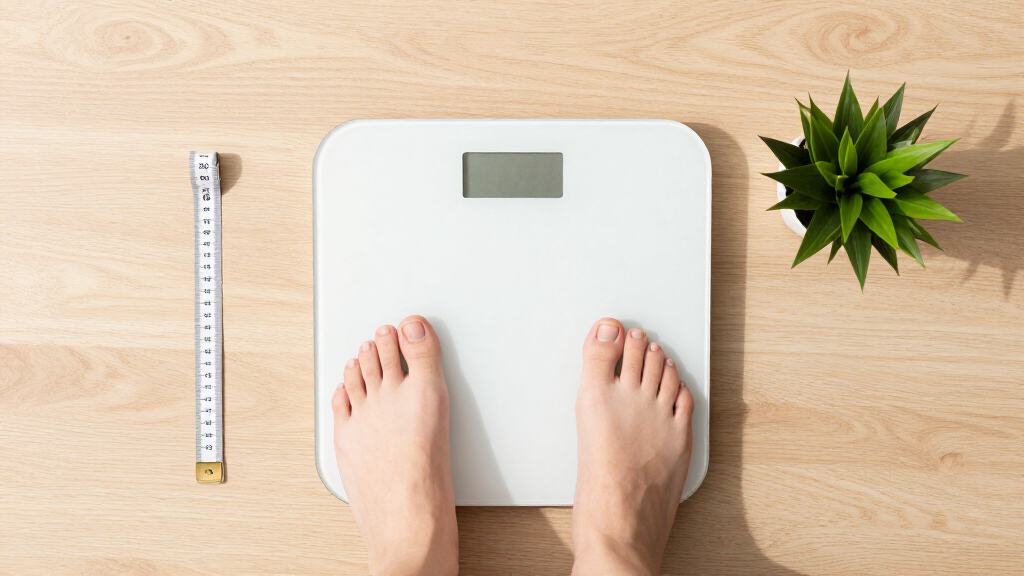
“We have to separate the number on the scale—the weight of our bodies—from the assessment of our health, because those two things don’t typically track beautifully together.”
— Amanda Lim, speaking to Fit&Well
The source does not specify how long Lim’s sessions last, how she sets the intensity of her runs, or how the schedule changes during illness, injury or periods of limited time. It also does not provide independent assessment of the routine’s effects, or evidence that the same mix of activities is suitable for every reader.
Lim’s comments about weight, muscle measurement, postpartum rehabilitation and perimenopause are attributed to her in an interview. The report does not establish clinical conclusions about how readers should assess their own health. Anyone with a medical condition, persistent pain or specific postpartum concerns may need individualized guidance from a qualified health professional.
Building a Sustainable Weekly Plan
Fit&Well’s report offers Lim’s schedule and tips as a starting point for readers considering how to exercise more consistently. Lim’s own advice is to begin with a manageable activity—such as a five-minute walk—and find ways to continue through setbacks, rather than treating her full weekly routine as a required target.
The source does not announce a follow-up study, program or future publication. Readers seeking to use the routine as a model will need to adapt the frequency and exercise choices to their circumstances; the report supplies no individualized training plan or clinical assessment.
Key Questions
What is Amanda Lim’s weekly workout routine?
Her example week includes lower- and upper-body strength training, postpartum core rehabilitation, walking, running intervals, yoga, a power-focused workout and a zone two run. She shared it with Fit&Well as her own routine, not a plan for everyone.
Why does Lim advise looking beyond the scale?
Lim says body weight and an assessment of health do not always move together. She says she tracks the weights she lifts and her muscle mass as other measures of her personal progress.
What does Lim recommend for someone starting exercise?
She recommends beginning with walking and suggests starting with a five-minute walk for someone with no other exercise habit. The report does not prescribe a progression or say that this starting point is appropriate for every health situation.
Is Lim’s schedule suitable for everyone?
The report presents it as Lim’s personal routine and does not establish that it is suitable for all readers. People should adapt activity to their abilities and recovery needs and seek professional guidance for medical or postpartum concerns.
Source: rss