
TL;DR

Get workout gear delivered free with Prime
- Fast, free delivery on millions of items
- Prime Video, Amazon Music and more included
- Member-only deals all year
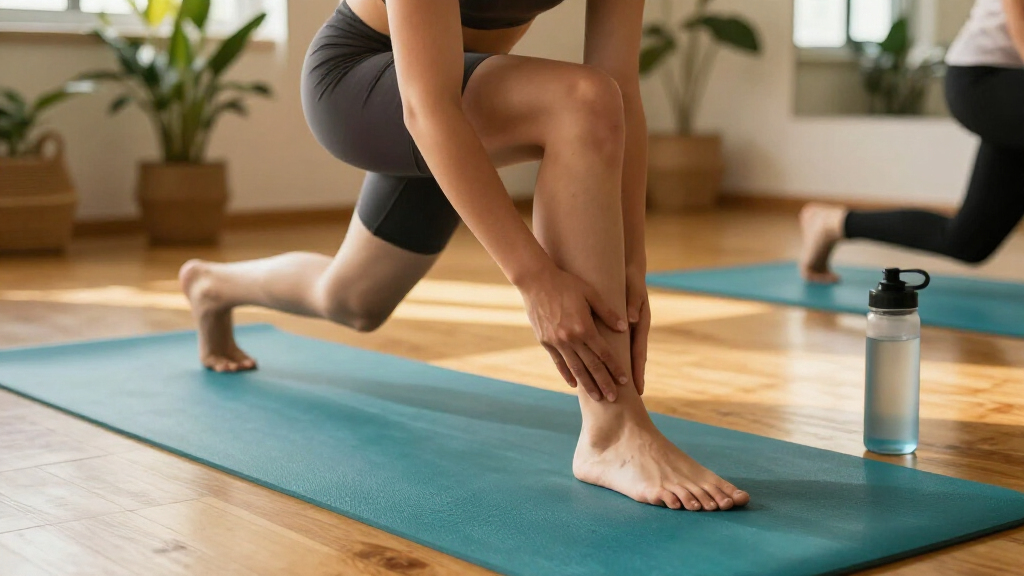
Yoga teacher Alina Boyett has shared a four-movement recovery flow for people seeking gentle movement after exercise or a day of sitting. The sequence needs no equipment or previous yoga experience, but the source does not establish measured effects on flexibility or muscle recovery.
Yoga teacher Alina Boyett has shared a four-pose recovery flow for people who want to slow down and stretch after exercise or prolonged sitting. Published by Fit&Well, the equipment-free sequence is designed for beginners and focuses on the legs, hips, spine and shoulders; its effects on flexibility or recovery have not been independently measured in the report.
Boyett, founder of the UK-based Yogalina Studios, recommends approaching recovery with intention rather than treating it as simply stopping activity. The flow can be done at home and does not require previous yoga experience or special equipment. Yogalina teacher Misha Clarke demonstrates the sequence in a video accompanying the Fit&Well report.
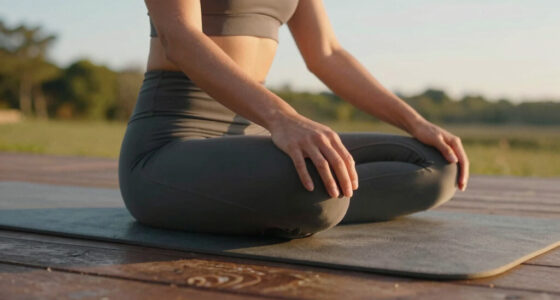
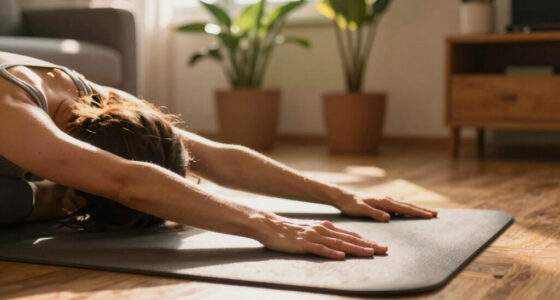
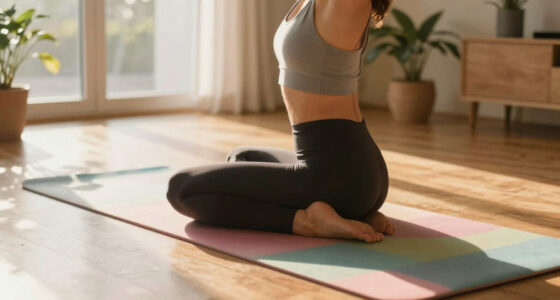
The four movements are waterfall pose, child’s pose, a relaxed standing forward fold known as ragdoll, and a seated spinal twist. The instructions call for holding the poses for a few breaths, moving slowly, and staying within a comfortable range. Ragdoll and the seated twist are listed for two rounds; the other two poses are listed for one.
Boyett advises against forcing a stretch or continuing through pain. She also says people with an injury or relevant medical condition should seek professional guidance before trying the sequence. The report presents the routine as a gentle movement option, not a treatment or a substitute for individualized medical advice.
A Short Routine for Rest Days
The report offers a structured, low-equipment option for people who want to add gentle movement to a rest day or break up time spent sitting. Its short holds and beginner framing may make the sequence approachable to people who do not already practice yoga, while the safety advice emphasizes comfort over range or intensity.
Boyett’s comments also reflect a broader practical point: recovery is part of an exercise routine, not necessarily the absence of movement. The article does not provide research showing that this particular four-pose flow speeds recovery, prevents injury or produces a specific flexibility gain. Readers should treat those outcomes as unproven by the material provided.
Products Worth Considering

Withings BPM Vision Blood Pressure Monitor with Wi-Fi and Bluetooth

Hyperice Normatec Elite Wireless Compression Recovery Boots, Standard Size

Philips Sonicare DiamondClean 9900 Prestige Electric Toothbrush
As an affiliate, we earn on qualifying purchases.
How the Four Poses Are Set Up
Boyett says she selected movements aimed at areas that commonly feel tense after activity: the legs, hips, spine and shoulders. The sequence moves from lying with the legs raised, to a kneeling forward rest, then a standing fold, and finally a seated rotation. It can be adapted by bending the knees or choosing a comfortable seated position.
In the report’s instructions, waterfall pose is held for three to five breaths, as is child’s pose. Ragdoll is performed for two rounds of three to five breaths, and the seated twist for two rounds of two to three breaths per side. These are the report’s suggested timings, not a required standard for all practitioners.
Effects Have Not Been Measured
The report shares Boyett’s rationale and instructions but does not cite a study testing this exact sequence. It gives no measured results for flexibility, muscle soreness, recovery time or other health outcomes, and does not specify how often readers should repeat the flow. Descriptions of how particular poses may feel are attributed to Boyett rather than presented as verified clinical findings.
Individual comfort and mobility vary. The article does not provide modifications for every condition or injury, so people who are unsure whether a pose is suitable for them should seek advice from an appropriate health professional.
Try the Sequence Within Comfort
Readers can follow the four-pose instructions or Clarke’s accompanying demonstration, using the suggested breath counts as a guide rather than a target. The main advice is to move gently, modify positions when needed, and stop if a movement causes pain.
Fit&Well’s report does not announce a follow-up study or a planned update. Any claims about the flow’s effectiveness would require evidence beyond the instructions and teacher commentary provided in the article.
Key Questions
What poses are included in the beginner yoga flow?
The sequence includes waterfall pose, child’s pose, a relaxed standing forward fold called ragdoll, and a seated spinal twist.
Do I need equipment or yoga experience?
The report describes the flow as suitable for home practice without equipment or previous yoga experience. A wall is used for waterfall pose, and readers should adapt positions to what feels comfortable.
How long should I hold each pose?
Fit&Well lists three to five breaths for waterfall and child’s pose, two rounds of three to five breaths for ragdoll, and two to three breaths per side for the seated twist. These are the report’s suggested timings.
Can this flow treat soreness or improve flexibility?
The report does not provide measured evidence that the routine treats soreness or produces a specific flexibility gain. Boyett presents it as gentle recovery movement, not medical treatment.
Who should seek advice before trying the sequence?
Boyett advises anyone with an injury or relevant medical condition to seek appropriate professional guidance. Stop rather than force a pose if it causes pain.
Source: fitandwell.com