TL;DR

Get workout gear delivered free — and shop member deals
- Fast, free delivery on millions of items
- Access to Prime Big Deal Days deals on October 6–7
- Prime Video, Amazon Music and more included
Even if you’re feeling stiff, exhausted, or out of shape, you can start yoga safely by choosing gentle styles, setting realistic goals, and practicing consistently. Small steps lead to lasting benefits.
Imagine feeling so stiff or tired that the thought of moving feels overwhelming. That’s common — but it doesn’t mean you should skip yoga entirely. The truth is, yoga is incredibly adaptable. It’s built for every body, no matter your shape or energy level.
If you’ve ever tried to get moving after a long day and felt like your body just won’t cooperate, you’re not alone. This guide will walk you through simple, practical ways to start yoga safely and effectively, even when your body feels out of sync.
How to Start Yoga When You Feel Stiff, Tired, or Completely Out of Shape
Even if movement feels overwhelming, yoga can meet you exactly where you are. Choose gentle styles, use props freely, keep sessions short, and let consistency do the heavy lifting.
Minutes a day is enough to build a real habit without draining already-low energy.
Hatha, Yin, and Restorative yoga prioritize slow movement, support, and recovery.
Start below your limit. The goal is to finish feeling steadier, not proven, punished, or pushed past comfort.
Minutes is a valid session when you feel tired or hesitant.
A gentle range for early mobility work and breath awareness.
A beginner-friendly frequency that supports steady progress.
Discomfort is feedback; sharp pain is a stop sign.
Choose the version of yoga your body can trust.
When you are stiff, exhausted, or out of shape, the safest first step is a style that favors slow transitions, supported poses, and breath-led pacing.
Slow foundations
Best for learning basic poses, alignment, and breathing without the pace of a flow class.
Long, low holds
Uses supported floor poses to gently lengthen connective tissue and build patience with sensation.
Recovery first
Props carry the weight so your body can downshift, release tension, and feel safe again.
Five low-pressure poses to break the ice.
Start with shapes that mobilize the spine, soften the hips, and calm the neck and shoulders. Props are not a compromise; they are smart practice design.
Child’s Pose
Grounds the body, softens the back and hips, and creates a sense of safety.
Cat-Cow
Wakes up spinal awareness and eases stiffness from sitting or poor posture.
Forward Bend
Gently lengthens hamstrings and the lower back with cushions or a strap.
Gentle Twist
Mobilizes the torso, releases muscular tension, and restores range of motion.
Neck Rolls
Relieves common tension in the neck and shoulders through slow circles.
| Pose | Best for | Use props? | Avoid | Beginner fit |
|---|---|---|---|---|
| Child’s Pose | Back, hips, grounding | ✓ Cushion under chest | ✗ Forcing knees wide | ✓ Excellent |
| Cat-Cow | Spine and posture | ~ Blanket under knees | ✗ Fast jerky movement | ✓ Excellent |
| Seated Forward Bend | Hamstrings, lower back | ✓ Strap or folded blanket | ✗ Pulling toward toes | ~ Modify |
| Gentle Twist | Torso mobility | ~ Cushion beside knees | ✗ Twisting through pain | ✓ Strong |
| Neck Rolls | Neck, shoulders, stress | ~ Seated support | ✗ Dropping head backward | ✓ Strong |
When you feel wiped out, make the practice smaller.
Yoga still counts when it is quiet, short, and mostly breath. A tiny session lowers the starting barrier and teaches your body that movement can be safe.
Tiny goal
Commit to 5-10 minutes so starting feels possible.
Cozy space
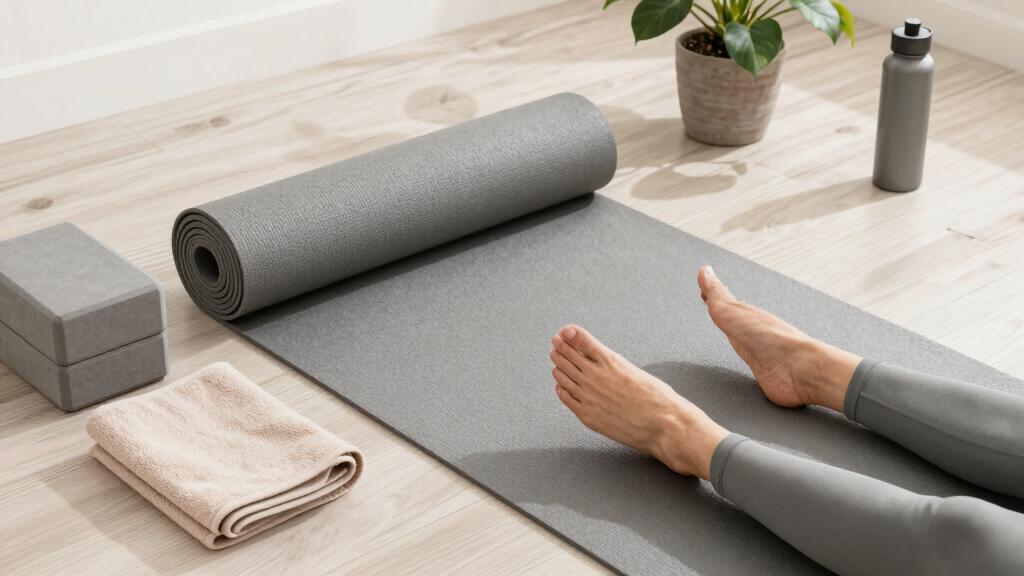
Use soft lighting, a mat, a blanket, or a cushion.
Breath first
Slow breathing calms the nervous system before movement.
Gentle motion
Choose stretches that feel relieving, not impressive.
Rest finish
End quietly so the body can absorb the practice.
Breathing is not a warm-up. It is part of the medicine.
Deep, slow breathing supports relaxation, reduces racing thoughts, and helps oxygen flow feel easier before you ask stiff muscles to move.
Props turn “I can’t” into “this version works.”
Blocks, straps, blankets, chairs, and cushions reduce strain, protect joints, and keep the practice accessible on low-mobility days.
Match the practice to the day you actually have.
The right yoga plan changes with your energy, pain level, and available time. Use this as a simple filter before you begin.
Mobilize first
Start with Cat-Cow, gentle twists, and supported forward folds. Move slowly enough to notice where tension starts.
Restore first
Try Restorative yoga, reclined breathing, or Child’s Pose. Let rest be the main event.
Build trust first
Use short sessions, modified poses, and frequent pauses. Confidence grows when practice feels doable.
| Question | Helpful answer | Best next step |
|---|---|---|
| Is yoga suitable with limited mobility? | ✓ Yes, with adaptive styles and modifications. | Try chair support, props, and beginner classes. |
| How do I stay motivated? | ✓ Keep sessions short and focus on how you feel afterward. | Track 5-minute wins instead of perfect workouts. |
| Can yoga help chronic pain or fatigue? | ~ Many people find gentle yoga helpful. | Consult a healthcare provider for personal guidance. |
| What do I need first? | ✓ Comfortable clothes, a non-slip surface, and optional props. | Use a blanket, cushion, strap, or sturdy chair. |
The path from stiff and tired to steady and consistent.
Small choices connect. A supportive environment makes breathing easier; breathing makes gentle movement safer; safer movement makes consistency more likely.
Settle
Create a low-pressure space.
Breathe
Downshift before effort.
Modify
Use props and easier angles.
Practice
Choose gentle, repeatable poses.
Recover
End with quiet integration.
Return
Let small wins accumulate.
TL;DR
You can start yoga safely even when you feel stiff, tired, or out of shape by choosing gentle styles, setting realistic goals, using modifications, and practicing consistently.
- Start gentle: Hatha, Yin, and Restorative styles are the most welcoming first steps.
- Use support: Props prevent strain and make poses accessible.
- Keep it short: Ten minutes done often beats one hard session done rarely.
- Celebrate small wins: Less tension, easier breathing, and showing up all count.
Key Takeaways
- Start with gentle, beginner-friendly styles like Hatha, Yin, or Restorative yoga to ease into movement.
- Use props and modifications to make poses accessible and prevent injury.
- Practice for just 10-15 minutes daily; consistency beats intensity.
- Focus on breathwork and mindfulness to boost energy and reduce stress.
- Progress gradually, celebrating small victories along the way.
As an affiliate, we earn on qualifying purchases.
How to Choose the Right Yoga Style for Your Body and Energy
Feeling stiff or tired calls for gentle, beginner-friendly yoga styles. Think of these as the warm-up versions of yoga — designed to ease your body in without pushing too hard.
Styles like Hatha, Yin, or Restorative yoga focus on slow, deliberate movements, stretching, and deep relaxation. These styles prioritize gentle engagement over intensity, which is crucial when your body is not at its peak. For example, Yin yoga involves holding poses for several minutes, allowing deep connective tissues to lengthen and relax, which can improve flexibility over time. This long-hold approach encourages patience and mindfulness, emphasizing the importance of listening to your body’s signals. Pushing beyond your comfort zone in these styles can lead to overstretching and injury, so selecting a style aligned with your current energy and mobility ensures your practice remains safe and sustainable. The key is to foster a positive experience that encourages consistency and gradual progress, recognizing that every small step contributes to longer-term benefits.
yoga props for flexibility and support
As an affiliate, we earn on qualifying purchases.
As an affiliate, we earn on qualifying purchases.
5 Easy Yoga Poses to Break the Ice When You’re Out of Shape
Starting with simple poses helps your body build confidence and flexibility without strain. Here are five that are perfect for beginners feeling stiff or tired:
- Child’s Pose: Gently stretches your back and hips. It’s more than just a stretch—it’s a restorative pose that creates a sense of safety and grounding. When you’re stiff or fatigued, this pose helps release tension accumulated from daily stress or inactivity, promoting a calming effect on your nervous system. It also encourages mindfulness by allowing you to tune into your breath and body, which can reduce feelings of overwhelm and help you reconnect with your energy gradually.
- Cat-Cow: Loosens up your spine with gentle arching and rounding. This movement isn’t just about flexibility; it’s about awakening your spinal awareness and improving posture, which can be compromised when you’re tired or stiff. Regular practice of Cat-Cow helps to release stiffness caused by prolonged sitting or poor posture, reducing discomfort and promoting better circulation along the back and neck. It also fosters a gentle mind-body connection, reminding you to move mindfully and listen to your body’s signals.
- Seated Forward Bend: Stretches hamstrings and lower back, which are often tight from sitting or inactivity. This pose is important because tight hamstrings and a stiff lower back can perpetuate discomfort and limit mobility. By gently reaching toward your toes, you promote lengthening of the posterior chain, which supports better posture and reduces strain on your spine. Over time, this can alleviate lower back pain and improve overall flexibility, but it’s crucial to approach it with patience—pushing too hard too soon can cause strain. Using props like cushions can help modify the stretch, making it accessible and safe, especially for those with limited flexibility.
- Gentle Twist: Loosens your torso and relieves stiffness. Twisting poses are vital because they help to mobilize the spine and massage internal organs, supporting digestion and detoxification. When your body is stiff, especially after inactivity, gentle twists can restore range of motion and reduce muscular tension. Think of wringing out a wet towel—this imagery helps to understand how the movement encourages the release of tension trapped in muscles and fascia. Regular practice enhances spinal flexibility, which is fundamental for overall mobility and preventing stiffness from becoming chronic.
- Neck Rolls: Eases tension in your neck and shoulders, common sites of stress and stiffness. Gentle circles in the neck help to improve circulation, reduce headaches caused by tension, and promote relaxation. Since the neck is highly sensitive, slow and mindful movements are essential. Incorporating neck rolls into your routine can prevent the buildup of stiffness and discomfort, especially if you spend long hours sitting or working at a computer. This small but effective movement supports overall relaxation and helps you stay aware of tension patterns that might otherwise go unnoticed.
Start with these poses, holding each for 30 seconds to 1 minute. Using props like cushions or straps can help modify poses to fit your current flexibility and comfort level, making the practice more accessible and reducing the risk of overstretching or strain. Remember, consistency and patience are key—your body will thank you over time.
restorative yoga DVDs for beginners
As an affiliate, we earn on qualifying purchases.
As an affiliate, we earn on qualifying purchases.
How to Practice Yoga When Your Energy Is Low or You Feel Out of Shape
Feeling tired or completely out of shape doesn’t mean you should skip yoga. Instead, view yoga as a gentle, restorative practice that can be adapted to your current limits, helping you rebuild strength and vitality gradually. Here’s a step-by-step process with insights into why each step matters:
- Set a tiny goal: Even 5-10 minutes is enough. This small commitment reduces the mental barrier to starting, especially when energy is low. It signals to your nervous system that movement is safe and manageable, which promotes a positive mindset. Achieving these small goals creates a sense of accomplishment, reinforcing a habit that can grow over time, leading to more consistent practice and tangible health benefits.
- Create a cozy space: Find a quiet corner with soft lighting and your favorite blanket or cushion. A comfortable environment isn’t just about physical comfort—it influences your mental state, making it easier to relax and connect with your body. This sense of safety and ease encourages you to approach your practice without stress or pressure, fostering a more sustainable habit.
- Start with breathing: Spend a few minutes focusing on deep, slow breaths. Breathwork is fundamental because it directly influences your nervous system, promoting parasympathetic activation (the relaxation response). It calms racing thoughts, reduces stress, and enhances oxygen flow, which can boost your energy levels over time. Developing a mindful breathing practice helps anchor your attention, making gentle movement more effective and enjoyable.
- Move gently: Use slow stretches and poses that feel good, not painful. When energy is low, forcing into challenging poses can be counterproductive, leading to discouragement or injury. Instead, incorporate light movements like arm circles, shoulder rolls, or gentle spinal twists that respect your current capacity. Listening to your body’s signals and avoiding pain ensures your practice remains safe and sustainable, ultimately helping to rebuild strength and confidence gradually.
- End with relaxation: Lie in Savasana or sit quietly for a few minutes. This phase isn’t just rest—it’s a crucial part of integrating your practice, calming your nervous system, and restoring energy. Regularly ending with relaxation teaches your body to relax more deeply, which can reduce fatigue and promote mental clarity. Over time, this gentle approach fosters resilience and a more positive attitude towards movement, making it easier to maintain consistency and see progress.
Remember, consistency and patience are your allies. Even brief daily practices can accumulate into significant improvements. The key is honoring your current state without judgment, focusing on what feels good, and trusting that gentle effort will lead to meaningful change over time.
As an affiliate, we earn on qualifying purchases.
Compare Gentle Yoga Styles to Pick What Fits You Best
| Style | Focus | Pace | Best For |
|---|---|---|---|
| Hatha | Basic poses and alignment | Moderate, gentle | Beginners, those feeling stiff |
| Yin | Deep stretching, long holds | Slow, meditative | Relaxation, flexibility |
| Restorative | Relaxation, gentle support | Very slow, restful | Stress relief, fatigue |
Select a style aligned with your current energy and flexibility to ensure a sustainable practice. Exploring different styles briefly allows you to understand how your body responds—some may offer more nurturing, while others gently challenge you. This exploration is valuable because it helps you identify what encourages progress without overwhelm. Over time, experimenting with styles fosters a personalized routine that balances effort and relaxation, making yoga a consistent and enjoyable part of your self-care. Remember, the right style is one that respects your body’s signals and supports your journey, rather than pushing you beyond your limits.
What You Need (Clothes, Props, Mindset) to Get Started Safely
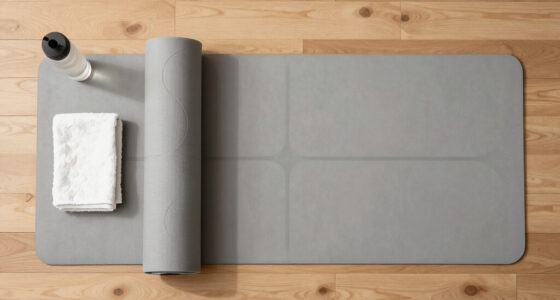
Comfort is key. Wear loose, stretchy clothes that let you move freely. A non-slip mat provides stability during gentle poses. Props like cushions, blocks, or straps are your best friends — they make poses easier and safer.
Approach your practice with patience and a mindset of curiosity. Recognize that progress may be slow and that every small effort counts. Celebrating even minor improvements, such as a deeper stretch or increased relaxation, reinforces positive feelings about your practice and encourages consistency. If you have pre-existing health issues or concerns, consult with a healthcare professional or a qualified yoga instructor. They can help tailor your practice to your specific needs, ensuring safety and effectiveness. Remember, cultivating a compassionate mindset and realistic expectations is essential for creating a sustainable yoga routine that supports your well-being.
Frequently Asked Questions
Is yoga suitable for someone who is very out of shape or has mobility issues?
Absolutely. Many styles and modifications are designed specifically for beginners or those with limited mobility. Starting with gentle poses and props can make yoga accessible and safe.How do I stay motivated when I feel too tired or stiff to practice?
Focus on short, manageable sessions. Even 5-10 minutes can make a difference. Remind yourself of the mental and physical benefits, and celebrate small wins to stay inspired.What are the best beginner yoga poses for stiffness and fatigue?
Gentle stretches like Child’s Pose, Cat-Cow, seated forward bends, and gentle twists are perfect starting points. These poses gently release tension and improve flexibility.How often should I practice yoga as a beginner?
Start with 3-4 times a week for about 10-20 minutes. Consistency is key. As your body adapts, you can gradually extend your sessions.Can yoga help with chronic pain or fatigue?
Many find yoga helpful for managing chronic conditions, especially when tailored for their needs. Always consult a healthcare provider for personalized advice before starting.Conclusion
Getting started with yoga when you’re feeling stiff or tired is about kindness — to your body and mind. Small, gentle steps can lead to big changes over time. Imagine your muscles softening, your breath deepening, and your energy slowly returning.
Remember, yoga isn’t about pushing through pain. It’s about creating space and ease. So, roll out your mat, settle in, and let each gentle breath guide you forward.
Fall Picks
fall essentials
As an affiliate, we earn on qualifying purchases.