
TL;DR

Get workout gear delivered free with Prime
- Fast, free delivery on millions of items
- Prime Video, Amazon Music and more included
- Member-only deals all year
In the 283-person CONNECT trial, adults with type 2 diabetes who were not using insulin had a greater HbA1c reduction with continuous glucose monitoring (CGM) than with routine care over 26 weeks. They also spent about five more hours per day in the target glucose range. Longer-term effects and adherence in routine practice remain unknown.
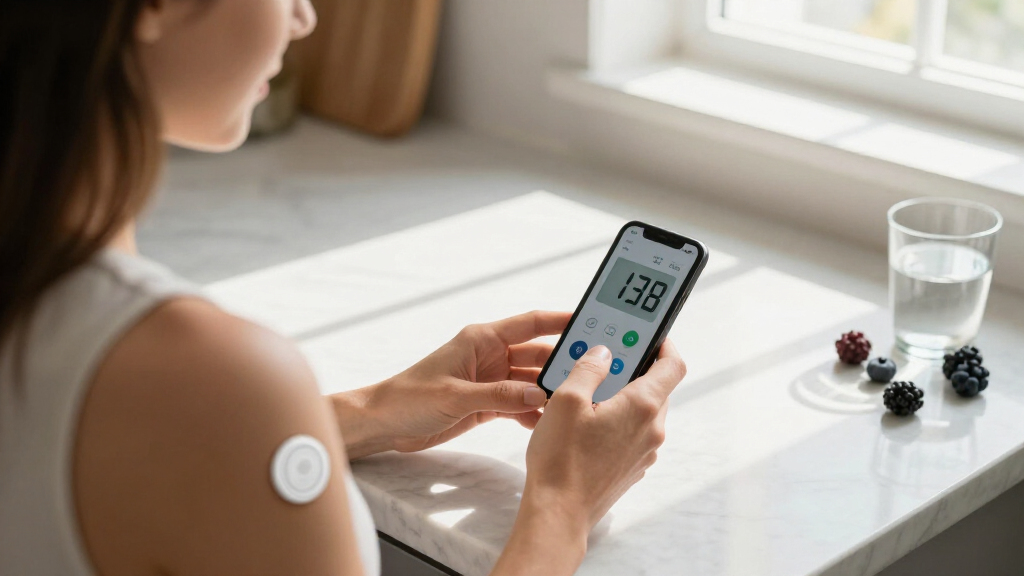
Adults with type 2 diabetes not treated with insulin who used continuous glucose monitors had lower HbA1c and spent more time in the target glucose range than those receiving routine care in a 26-week randomized trial. The CONNECT study included 283 patients at U.S. primary care practices, adding trial evidence about CGM use in a group for whom support has been more limited than for people using insulin.
At week 26, mean HbA1c in the CGM group fell from 8.8% to 7.2%. In the routine-care group, it fell from 8.7% to 8.0%. The adjusted difference between groups was 0.9 percentage points in favor of CGM, with a 95% confidence interval of 0.6 to 1.1 percentage points and P<0.001, according to the trial report.
Participants assigned to CGM spent 21 percentage points more time in the target range of 70 to 180 mg/dL than those receiving routine care. The researchers described that difference as about five additional hours per day in range. Time spent above 250 mg/dL was also 15 percentage points lower in the CGM group. No severe hypoglycemia cases or serious adverse events related to hyperglycemia were observed during the study.
Median CGM use was 97% of the time during the trial. The report recorded 33 adverse events in the CGM group and 24 in the routine-care group; three events in the CGM group were sensor-related: two cases of bleeding at the insertion site and one event during sensor removal. The trial was conducted at 22 primary care practices, and the results were published in the New England Journal of Medicine, as reported by MedPage Today.
Evidence Beyond Insulin Use
The results address a gap in evidence for people with type 2 diabetes who do not use insulin. CGM measures glucose throughout the day and can show how levels change in response to daily activities and treatment. The trial found improved glucose measures in this population, including among participants already using non-insulin medicines.
The findings may inform discussions between patients and clinicians about monitoring options, especially when HbA1c remains above a patient’s target. They do not, by themselves, establish that every person with non-insulin-treated diabetes will benefit equally, or that CGM should replace medication or other diabetes care. The study tested a particular approach over 26 weeks; cost, coverage, access, and sustained use may affect whether the results translate to everyday care.
Products Worth Considering

Withings BPM Connect Smart Blood Pressure Monitor

Withings BPM Vision Blood Pressure Monitor with Wi-Fi and Bluetooth

Oura Ring 5 Smart Ring, Silver, Size 7
As an affiliate, we earn on qualifying purchases.
Why the Evidence Gap Matters
CGM has established recommendations for people with type 1 diabetes and people with type 2 diabetes who receive insulin. The study authors said the 2026 American Diabetes Association Standards of Care cite level A evidence for CGM in people receiving insulin, while citing level C evidence for those not treated with insulin. Those evidence ratings describe the strength of support for recommendations, not a guarantee of benefit for an individual patient.
Earlier trials had provided less evidence for non-insulin-treated type 2 diabetes. The CONNECT team recruited through primary care because that is where many people with type 2 diabetes receive care. Participants were 21 to 84 years old, had diabetes for at least six months, and had a baseline HbA1c of at least 7.5%. They had not used real-time CGM in the prior six months or insulin in the prior year, and their non-insulin glucose-lowering or weight-loss medicines had been stable for at least a month.
Use of other therapies was common at the start: 40% of participants used a GLP-1 receptor agonist, 37% used an SGLT2 inhibitor, and 18% used both classes. During the trial, glucose-lowering medicines or insulin were added for 31% of the CGM group and 17% of the routine-care group. The researchers said medication changes alone could not explain the improvement, while suggesting that changes in behavior prompted by glucose information may have contributed. The trial did not establish which behaviors accounted for the difference.
“Results for glycated hemoglobin and time-in-range outcomes were similar across a wide range of participant characteristics.”
— Roy W. Beck, MD, PhD, and colleagues
How Results Hold Up Outside Trials
The results do not yet show whether the improvements will persist beyond the study period. The researchers cautioned that participants received sensors and had scheduled study visits, conditions that may have supported the 97% median use. Adherence and glucose benefits could be lower in routine care, they said.
The trial also does not establish the reasons for the improvement. Medication changes were more frequent in the CGM group, and the authors considered behavior changes a possible contributor, but the report does not identify a single cause. The supplied findings also do not settle how costs, insurance coverage, device access, or differences in patient preferences would affect broader use. No severe hypoglycemia or hyperglycemia-related serious adverse events were observed, but a 26-week study cannot determine every longer-term safety or use pattern.
Extension Will Test Durability
A 26-week extension phase is underway to examine whether participants continue using CGM and whether its effects on glucose measures last. Those results should help clarify durability beyond the initial trial period. Until they are available, the reported findings describe outcomes over 26 weeks in the enrolled participants and do not answer how well the same level of use or benefit will be maintained across routine primary care.
Key Questions
What did the CONNECT trial find?
Over 26 weeks, participants with non-insulin-treated type 2 diabetes assigned to CGM had a greater average HbA1c reduction and spent more time in the 70 to 180 mg/dL target range than participants receiving routine care.
How much more time did CGM users spend in target range?
The CGM group spent 21 percentage points more time in range than the routine-care group, which the researchers described as about five additional hours per day.
Were serious safety problems reported?
No severe hypoglycemia cases or serious adverse events related to hyperglycemia were observed. Three sensor-related events were reported in the CGM group: two involving insertion-site bleeding and one during sensor removal.
Does the study prove CGM will work as well in everyday care?
No. The authors cautioned that trial-provided sensors and visit frequency may have supported high use, and that adherence and glucose benefits could be lower in routine practice.
What further evidence is expected?
A 26-week extension is underway to assess continued CGM use and whether the glucose benefits persist. The report does not provide results from that extension.
Source: rss