

TL;DR
Many beginners quit yoga too soon because they face unmet expectations, physical discomfort, and lack support. Understanding these hidden barriers and focusing on patience and guidance helps build a lasting practice.
The Quiet Reason Most Beginners Quit Yoga Too Early
Most people do not quit because yoga failed them. They quit because the first weeks collide with unmet expectations, normal physical discomfort, inconsistent support, and a harsh inner voice that mistakes slow progress for failure.
Yoga is a slow burn, not a quick fix.
The wall usually arrives before the reward.
Beginners often expect flexibility, stress relief, and visible change within weeks. When the body feels stiff and the mind still feels busy, the practice can look ineffective even while adaptation is quietly beginning.
Quick wins become the wrong scoreboard.
Chasing advanced poses makes small gains feel invisible. Better sleep, steadier breathing, and improved posture are often the first real signs.
Discomfort gets misread as defeat.
Normal soreness can mean the body is adapting. Sharp or persistent pain means the pose, pace, or recovery window needs attention.
Practicing alone can magnify doubt.
Good instruction reduces injury risk, builds confidence, and shows beginners how to modify instead of forcing their way through.
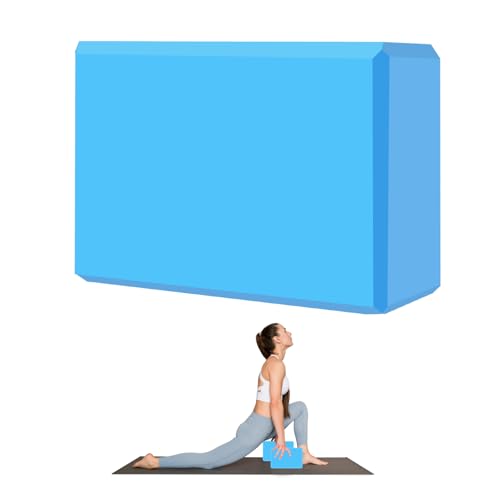
MBHKRRS 9"x6"x3" Yoga Blocks, Soft Non-Slip Surface Premium Foam Blocks, Supportive, Lightweight, Odor Resistant, Yoga Accessories for Pilates Meditation General Fitness Stretching Toning (blue-1 Pack)
When you purchase our yoga bricks, you will receive 1 pieces of blue 9 "x6" x3 "EVA material…
As an affiliate, we earn on qualifying purchases.
As an affiliate, we earn on qualifying purchases.
Quick fix thinking burns bright, then burns out.
Long-term yoga success comes from changing the measurement system: less performance, more awareness; less intensity, more repeatability.
| Practice Pattern | Quick Fix Mindset | Long-Term Practice |
|---|---|---|
| ~Progress | Focus on rapid results and perfect poses. | Focus on gradual progress and understanding your body. |
| ✕Stress Relief | Expect immediate calm and flexibility. | Let mental clarity deepen over weeks and months. |
| ✕Discomfort | Push through pain to force quick change. | Respect limits, modify poses, and recover well. |
| ✓Outcome | Risk burnout, injury, and self-criticism. | Build confidence, resilience, and sustainable habits. |

CIGOCIVI Instructional Travel Yoga Mat with 75 Asanas Poses & Exercises – Exercise Mat for Home Workout, Includes Carrying Bag, 68"x24"x0.25" (Purple/Blue)
Christmas Gifts for Wife and Girls: If you are struggling with what Christmas gift to give to your…
As an affiliate, we earn on qualifying purchases.
As an affiliate, we earn on qualifying purchases.
Small, guided, repeated practice beats heroic effort.
The practical goal is not to become impressive quickly. It is to make yoga easy enough to return to, clear enough to do safely, and rewarding enough to continue.
Start Small
Use 10-15 minute beginner sessions to lower resistance.
Modify Early
Adjust poses before discomfort turns into dread.
Get Feedback
Qualified guidance protects confidence and technique.
Repeat Gently
Three to four steady sessions create habit momentum.
What pushes beginners away?

Syntus Yoga Block and Strap Set, 2 EVA Foam Soft Non-Slip Blocks 9×6×4 inches, 8FT Metal D-Ring Strap for Yoga, General Fitness, Pilates, Stretching and Toning
Perfect Combination- 2 pack yoga block each measures 9×6×4 Inches and an 8ft yoga strap. Comes with an…
As an affiliate, we earn on qualifying purchases.
As an affiliate, we earn on qualifying purchases.
Listen first. Progress second.
A lasting practice is built by differentiating productive discomfort from harmful pain, then choosing consistency over intensity.
The beginner success formula
Realistic goals plus safe instruction plus repeatable sessions equals a practice that survives the early plateau. The shift is simple: stop asking whether you are good at yoga, and start asking whether yoga is becoming easier to return to.
- 01Set goals you can feel this week: better sleep, calmer breathing, less tension.
- 02Choose beginner-friendly classes, videos, or a teacher who offers modifications.
- 03Practice three to four times weekly, even when sessions are only 15 minutes.
- 04Celebrate showing up before measuring flexibility or pose depth.

Alaroo Short Sleeve Shirts for Women Open Back Workout Yoga Tops Pilates Outfits Gym Clothes Golf Athletic Running Clothing Grey M
Material: The fabric is soft, breathable, lightweight, stretchy, non-pilling and non-see-through
As an affiliate, we earn on qualifying purchases.
As an affiliate, we earn on qualifying purchases.
From early friction to lasting practice.
The quiet reason beginners quit is rarely one dramatic failure. It is a chain of small mismatches that can be interrupted with patience, support, and a realistic rhythm.
Why do I feel like quitting so early?
Slow progress, discomfort, and unmet expectations are common. Treat the first weeks as orientation, not a final verdict.
How do I stay motivated?
Track small wins like better sleep, less tension, steadier breath, and simply showing up consistently.
Is yoga supposed to be difficult at first?
Yes. Yoga is a skill. Difficulty softens with repetition, modification, and patient instruction.
What if I feel pain?
Stop, modify, rest, and seek qualified guidance. Soreness can be normal; persistent pain needs attention.
Key Takeaways
- Unrealistic expectations often cause early burnout; set small, achievable goals.
- Physical discomfort is normal; learn to listen to your body and modify poses.
- Proper guidance prevents injury and builds confidence—invest in good instruction.
- Patience and consistency are your best friends—progress takes time.
- Focus on mental benefits and sustainable habits, not just physical perfection.
Why Your Expectations Are Sabotaging Your Yoga Journey
Many beginners walk into yoga thinking they’ll master advanced poses in weeks. They imagine a sleek, flexible body and instant stress relief. But the reality is far different. When progress doesn’t match their dream image, frustration creeps in. For example, Sarah started yoga to get rid of her back pain but was discouraged when she couldn’t touch her toes after a month. Here’s the truth: yoga is a slow burn, not a quick fix.
Setting realistic goals—like improved posture or better sleep—can change the game. Focus on small wins, like holding a pose longer or feeling more relaxed after class. That shifts your mindset from chasing perfection to appreciating progress.
Why does this matter? Because when you understand that yoga’s benefits accumulate gradually, you’re more likely to stay committed. Overlooking this can lead to feelings of failure and abandonment. The tradeoff of patience is the reward of genuine growth—both physically and mentally—rather than fleeting results that fade quickly.
How Physical Discomfort Tricks You Into Quitting
Feeling sore or stiff after your first few classes is normal, but many interpret it as a sign to stop. For instance, John experienced muscle aches that made him dread his next session. This discomfort often masks the fact that your body is adapting. Without proper guidance, beginners push too hard or hold poses incorrectly, leading to pain or injury.
To avoid this trap:
- Start slow and listen to your body.
- Practice under qualified instructors or follow beginner-friendly videos.
- Allow time for your muscles to recover between sessions.
Understanding the implications of discomfort is crucial. While some soreness indicates your muscles are strengthening, persistent pain might signal overexertion or improper technique. The tradeoff here is between pushing your limits and risking injury. Recognizing this helps you develop a sustainable practice that promotes healing and resilience rather than setbacks. The implication? Learning to differentiate between productive discomfort and harmful pain is key to long-term success.
Why Lack of Guidance Sends Beginners Running
Without proper instruction, many beginners perform poses wrong or push past their limits. Imagine Lisa trying a headstand without guidance—her neck strained, her confidence shattered. Proper guidance isn’t about perfect poses but about safe, gradual progress. When you stumble alone, it’s easy to feel discouraged or injured.
Invest in a good teacher or online course. Even a few private sessions can set a strong foundation. Remember, yoga is about listening to your body, not about impressing others with advanced poses too soon.
Why does guidance matter? Because yoga involves complex movements that, if done improperly, can lead to injuries or reinforce bad habits. The tradeoff of good guidance is the development of proper technique and confidence, which reduces the risk of setbacks and injury. Implication? Consistent, correct instruction accelerates progress and prevents frustration, making your yoga journey safer and more rewarding.
The Role of Mental Barriers in Quitting Too Soon
Impatience and self-criticism are silent killers of your yoga journey. You might think, “I should be more flexible by now,” or “I’m just not good at this.” These thoughts create mental barriers that make you want to give up. Take Alex, who quit after three weeks because he didn’t see immediate stress relief. But yoga’s mental benefits deepen over time, often after months of consistent practice.
Build patience by celebrating small successes: a calmer mind, less tension, even just showing up consistently. Yoga isn’t a sprint—it’s a long walk with many small steps.
Why does this matter? Because mental barriers can be as limiting as physical ones. The tradeoff of cultivating patience and self-compassion is a more sustainable, enjoyable practice. Recognizing that progress in mental well-being often surpasses immediate physical changes helps you stay motivated and avoid premature quitting.
The Truth About Practice Frequency and Long-Term Success
Many beginners start with high enthusiasm but practice sporadically. They might do a session once a week, then skip two weeks, and wonder why they see no progress. Consistency beats intensity. According to recent data, those who practice at least three times a week are 60% more likely to stick with yoga long-term.
Set a realistic schedule—aim for 3-4 times weekly—and stick to it. Even 15-minute sessions count if they’re regular. Over time, your body and mind will thank you.
Why does this matter? Because irregular practice leads to plateaus or regressions, making it easy to lose motivation. The tradeoff of consistent scheduling is steady progress and habit formation, which are fundamental for long-term success. The implication? Committing to regular practice, even if brief, creates momentum that sustains your yoga journey through inevitable plateaus and setbacks.
Comparison Table: Quick Fix vs. Long-Term Yoga Success
| Quick Fix Mindset | Long-Term Practice |
|---|---|
| Focus on rapid results and perfect poses | Focus on gradual progress and understanding your body |
| Expect immediate stress relief and flexibility | Embrace slow improvements and mental clarity |
| Push through discomfort to see quick change | Respect your limits and adapt |
| Risk burnout or injury | Build sustainable habits and resilience |
What You Can Do Today to Keep Yoga in Your Life
Start by setting small, achievable goals. For example, dedicate 10 minutes daily to simple stretches or breathing exercises. Avoid the trap of jumping into complex poses too soon. Remember, consistency beats intensity.
Try this step-by-step:
- Pick a quiet, comfortable spot.
- Choose beginner-friendly videos or routines.
- Practice 3-4 times a week, even if just for 15 minutes.
- Celebrate each session—no matter how small.