TL;DR

Get workout gear delivered free — and shop member deals
- Fast, free delivery on millions of items
- Access to Prime Big Deal Days deals on October 6–7
- Prime Video, Amazon Music and more included
Starting yoga is easier when you understand the basics, prepare properly, and set realistic expectations. Even a short, mindful practice can boost your flexibility, strength, and mental clarity.
Walking into your first yoga class can feel like stepping into a different world—calm, colorful, and full of promise. But the biggest hurdle isn’t learning poses; it’s knowing what to expect and how to set yourself up for success.
If you want to turn your first session into a positive experience, it helps to understand the essentials: what yoga is really about, how to prepare, and what common pitfalls to avoid. This guide arms you with practical tips so you can focus on exploring your body and mind—rather than stressing about doing everything perfectly.
What Every Beginner Should Know Before Their First Yoga Session
Starting yoga is easier when you know what to expect: gentle movement, steady breathing, practical preparation, and a mindset that values progress over perfect poses.
Your first class is not a performance. It is a quiet introduction to how your body moves, rests, and pays attention.
What Actually Happens in Class
A beginner class usually moves through breathing, basic postures, simple transitions, and rest. The pace is deliberate so you can notice alignment, sensation, and breath.
Begin Quietly
Many classes start with breathing exercises or a short moment of stillness to settle attention before movement begins.
Simple Poses
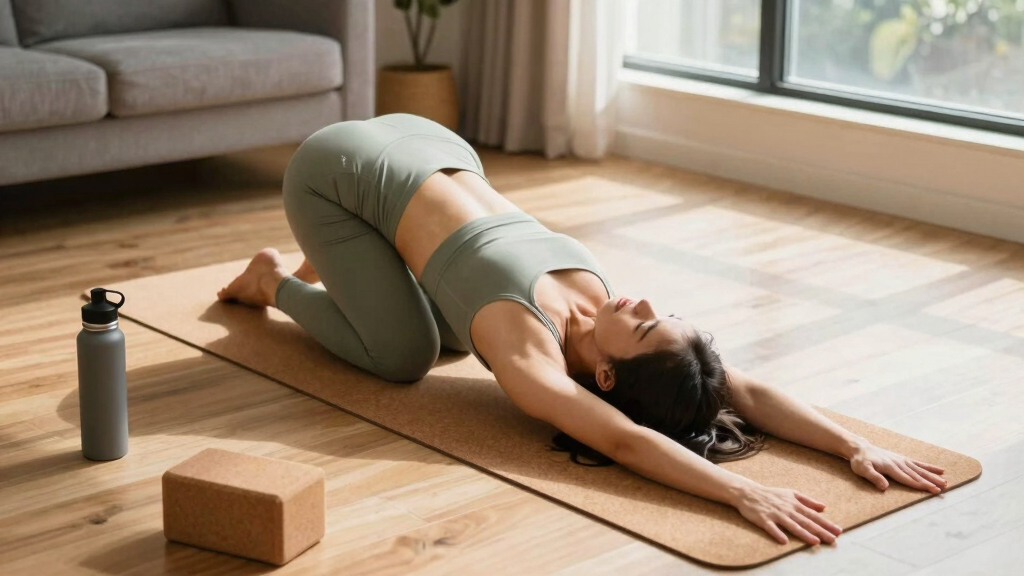
Expect accessible shapes like child’s pose, cat-cow, gentle twists, or downward dog with modifications offered.
Feel, Don’t Force
The goal is not to look advanced. It is to practice awareness, reduce tension, and learn what feels sustainable.
Five-Step First Session Prep
Preparation removes friction. Choose a gentle class, wear clothes that move, bring simple equipment, create calm, and arrive early enough to settle.
Choose Gentle
Look for Hatha, gentle Vinyasa, or clearly marked beginner classes.
Dress Simply
Wear stretchy, breathable clothes that stay put as you bend and stretch.
Bring Basics
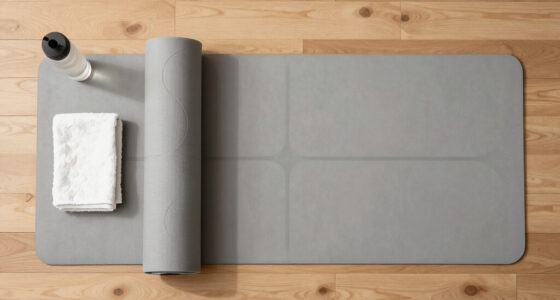
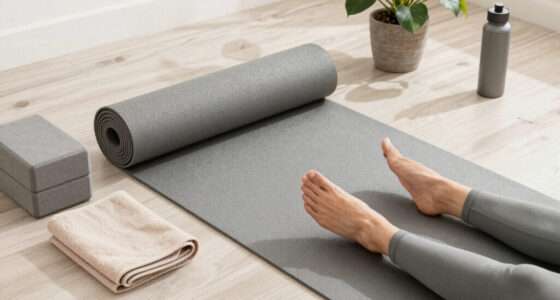
Use a non-slip mat. Add water, a towel, blocks, or a strap if useful.
Make Space
For home practice, pick a clean, quiet, well-ventilated corner.
Arrive Early
Settle in, meet the instructor, and mention injuries or concerns.
Best Beginner Styles
Different styles teach different habits. If you are brand new, choose the class that gives you the most support, not the one that sounds most impressive.
| Style | What It Feels Like | Ideal For | Beginner Fit |
|---|---|---|---|
| Hatha | Slow-paced, gentle stretches, alignment focus | Absolute beginners and relaxation seekers | ✓ Strong |
| Vinyasa | Flowing movement linked with breath | Beginners with some fitness | ~ Moderate |
| Iyengar | Precise posture work with props | People who want detailed alignment | ✓ Strong |
| Yin | Long-held stretches and stillness | Flexibility and relaxation over time | ~ Gentle |
Practice Intensity Map
Safety Beats Stretching
Yoga is safest when you treat sensation as information. Modify poses, hydrate, and speak up before class if you have injuries, pain, or health concerns.
Back Off Early
If a pose feels sharp, strained, or unstable, ease out. Mild stretch is useful; pain is a stop sign.
Modify Freely
Blocks, straps, bent knees, or wider stances can make poses safer and more accessible.
Repeat Gently
Consistency matters more than intensity. Short, regular practice builds strength, balance, and confidence.
Patience Is the Practice
Beginners often expect fast flexibility. A better goal is noticing small changes: steadier breathing, better posture, easier balance, and less tension.
Even seasoned practitioners refine the basics for years. Start with curiosity, not comparison.
Do I need to be flexible?
No. Yoga helps flexibility develop gradually; you do not need it before you start.
Can I practice at home?
Yes. Short guided videos are a practical way to learn and reinforce class basics.
What if I cannot do a pose?
Modify it, use props, or rest. Personal progress matters more than perfect shape.
Key Takeaways
- Start with gentle styles like Hatha or beginner classes to build confidence and understanding.
- Wear comfortable, stretchy clothes and bring a non-slip mat for safety and ease.
- Listen to your body—avoid pushing into pain and modify poses as needed.
- Consistency beats intensity; even 10-15 minutes daily can make a difference.
- Practice at home with short, guided videos to reinforce your learning and build confidence.
As an affiliate, we earn on qualifying purchases.
What Actually Happens in a Yoga Class? Expect Simplicity and Mindfulness
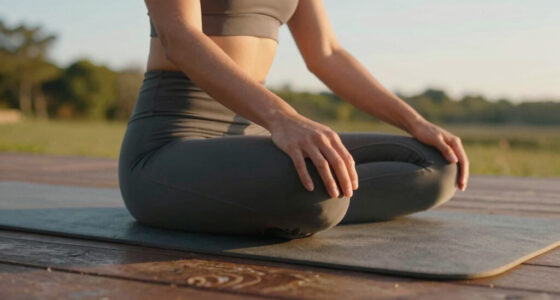
Yoga classes are less about perfect postures and more about feeling good in your body and calming your mind. Expect gentle stretches, slow movements, and a focus on breathing. Many beginners find that the quiet, deliberate pace helps them reconnect with their physical and mental state.
For example, a typical class might start with breathing exercises, then move into basic poses like downward dog or child’s pose. Even in a beginner class, the emphasis is on listening to your body and not pushing past comfort.
As an affiliate, we earn on qualifying purchases.
How to Prepare for Your First Yoga Session — 5 Simple Steps
- Choose the right class: Look for beginner-friendly styles like Hatha or gentle Vinyasa. These styles prioritize fundamental movements and breathing, making them accessible for newcomers. Selecting the right class ensures you won’t feel overwhelmed and can focus on learning at a comfortable pace.
- Wear comfortable clothes: Think stretchy leggings and a breathable top—clothes that move with you. Wearing the right attire allows for unrestricted movement, which is crucial for maintaining proper form and preventing distraction or discomfort during poses.
- Bring the essentials: A non-slip mat, water, and optional props like blocks or straps. These tools support your body in achieving correct alignment and can make poses more accessible, especially if you have limited flexibility or strength. Having your own equipment also fosters familiarity and confidence.
- Create a calming space: Practice in a quiet, well-ventilated room free of distractions. A serene environment reduces mental clutter, helping you focus inward and cultivate mindfulness, which is central to yoga’s benefits.
- Arrive early: Give yourself time to settle in, set your intentions, and avoid feeling rushed. Arriving early helps you acclimate to the space, meet your instructor, and mentally prepare, which can significantly enhance your comfort and receptivity during the session.
As an affiliate, we earn on qualifying purchases.
What Should You Wear and Bring? Keep It Simple and Comfy
Comfort is king for your first yoga session. Think stretchy, breathable fabrics—leggings, a T-shirt, or tank top. Avoid anything too loose or baggy that could get in your way during poses. The right clothing allows your body to move freely and helps you focus on your practice rather than adjusting or feeling self-conscious.
Bring a good-quality non-slip mat—most studios provide them, but having your own adds familiarity and confidence. Props like blocks or straps can help, especially if you’re working on improving flexibility or need additional support to maintain proper alignment. Using props thoughtfully can reduce the risk of strain or injury, making poses safer and more effective.
Also, pack water and perhaps a towel—hydration and wiping sweat are part of the routine. Staying hydrated supports your muscles and prevents fatigue, especially during longer or more intense sessions.
comfortable yoga clothing for beginners
As an affiliate, we earn on qualifying purchases.
As an affiliate, we earn on qualifying purchases.
How to Stay Safe and Avoid Injury in Your First Class
Listening to your body is your best safety tool. Yoga isn’t about forcing yourself into perfect postures; it’s about gentle progress and awareness. Recognizing your limits helps prevent overstretching or strain, which can lead to injury and diminish your enjoyment or motivation.
For example, if downward dog feels strained or painful, modify it by bending your knees slightly or using blocks under your hands to reduce wrist and shoulder stress. Paying attention to your body’s signals allows you to adapt poses safely. Hydration is also crucial—dehydrated muscles are more prone to cramping or injury. Always inform your instructor of any health issues or injuries beforehand, so they can suggest modifications or alternative poses. Consulting your healthcare provider is wise if you have existing health concerns, ensuring your safety as you begin your practice.
Understanding your body’s signals and limits is essential because yoga is a practice of self-awareness. Pushing through pain or discomfort can lead to injuries that might set back your progress, so knowing when to ease up is key. Also, being mindful of hydration and proper nutrition enhances your ability to perform safely. The tradeoff is that while taking it slow might feel less immediately rewarding, it builds a sustainable foundation for long-term practice and injury prevention.
Setting Realistic Expectations — Why Patience Matters More Than Perfection
Many beginners expect to master poses quickly, but this can lead to frustration and burnout. Yoga is a gradual process that emphasizes consistency and mindful progression over immediate perfection. Recognizing this helps manage your expectations and encourages a sustainable practice.
For example, instead of aiming to touch your toes on your first day, focus on the effort and awareness you bring to each session. Small improvements—like increased ease in breathing, better posture, or improved balance—are signs of progress. Remember, even seasoned practitioners spend years refining their practice, and each person’s journey is unique. Patience and persistence are your best allies. Celebrate every small victory, knowing that these accumulate into lasting benefits over time.
Understanding that mastery takes time allows you to approach yoga with a mindset of growth rather than perfection. This mindset reduces the risk of feeling discouraged and helps you enjoy the process, making it more sustainable and fulfilling. The tradeoff of patience is that your practice becomes more resilient and adaptable, leading to deeper benefits both physically and mentally over the long haul.
The Best Types of Yoga for Beginners — Quick Comparison Table
| Style | What it’s like | Ideal for |
|---|---|---|
| Hatha | Slow-paced, gentle stretches, focus on alignment | Absolute beginners, those seeking relaxation |
| Vinyasa | Flowing movements, linked with breath, slightly more dynamic | Beginner with some fitness, interested in movement |
| Iyengar | Precise postures, use of props, focus on form | People with injuries or who want detailed alignment |
| Yin | Long-held stretches, deep tissue focus | Relaxation, improving flexibility over time |
What’s the Best Way to Practice at Home? Make It Easy and Enjoyable
You can absolutely practice yoga at home. Start with short sessions—15 to 20 minutes—using online videos tailored for beginners. Pick a quiet corner, lay out your mat, and follow along.
For example, you might do a simple routine of breathing, cat-cow stretches, and gentle twists. Keep your expectations realistic—your goal is consistency, not perfect postures or long sessions.
Remember, the more you practice at home, the more comfortable you’ll feel in a class and in your own body.
Frequently Asked Questions
Do I need to be flexible to start yoga?
Absolutely not. Yoga helps improve flexibility gradually, and most poses can be modified to fit your starting point. The key is consistent practice, not initial flexibility.
What should I wear and bring to my first class?
Wear comfortable, stretchy clothes that let you move freely. Bring a non-slip yoga mat, water, and optional props like blocks or straps. Comfort and safety are your priorities.
Is yoga safe for everyone?
For most people, yes. But if you have injuries, chronic conditions, or health concerns, consult your healthcare provider first. Always inform your instructor of any issues before starting.
How often should I practice as a beginner?
Starting with 2-3 sessions a week is ideal. Consistency matters more than length—short, regular practices build habit and confidence faster.
Can I do yoga at home?
Yes! Many beginners find that practicing at home with online videos or apps helps them stay consistent and comfortable before joining a studio.
Conclusion
Remember, your first yoga session isn’t about mastering poses. It’s about showing up, being curious, and honoring what your body needs. Over time, those small steps accumulate into a practice that feels good physically and mentally.
So, breathe deep, relax, and enjoy the journey—your body and mind will thank you for it.
Fall Picks
fall essentials
As an affiliate, we earn on qualifying purchases.