
TL;DR

Get workout gear delivered free with Prime
- Fast, free delivery on millions of items
- Prime Video, Amazon Music and more included
- Member-only deals all year
Cochlear Limited says its Nucleus Nexa System was named to TIME’s Best Inventions of 2026 list. The system features upgradeable firmware in the implanted component, but the recognition does not establish clinical outcomes, availability, or the timing and scope of future upgrades.
Cochlear Limited announced that its Nucleus Nexa System, a cochlear implant system with upgradeable firmware in the implanted component, has been named to TIME’s Best Inventions of 2026 list. The recognition brings attention to a product design that could allow some future technology updates to reach both the implant and its external sound processor, though details about future upgrades and their availability were not provided.
The company said TIME’s editors nominated the Nucleus Nexa System for consideration. TIME’s selection process for the 2026 list included nominations from editors and correspondents around the world, as well as direct applications. The source report says TIME gave particular attention to growing fields such as health care and artificial intelligence; it does not state that the Nexa system uses AI.
Cochlear describes the system’s distinguishing feature as upgradeable firmware within the implant itself. Traditionally, the source report says, much innovation in cochlear implants has been delivered through the external sound processor, while the implanted component generally remained fixed after surgery. The Nexa design is intended to make it possible for future developments to be delivered through both parts of the system.
That description concerns the platform’s design and potential to evolve. The available report does not specify which upgrades are planned, how they would be delivered, whether upgrades would require clinical procedures, or what costs or eligibility rules might apply. TIME’s recognition is an editorial selection, not a clinical finding or a statement about how well the system performs for individual recipients.
Why Implant Firmware Draws Attention
The recognition spotlights a change in where cochlear implant technology may be updated. If future firmware improvements can be installed in the implanted component, the system could offer a route for technological development beyond changes to external hardware. That may matter to recipients and clinicians weighing how a device can adapt over time, but the announcement does not establish what practical benefits any particular upgrade would provide.
For patients and families, the key distinction is between a design capability and a confirmed service or outcome. The source material provides no evidence about improved hearing results, fewer procedures, longer device life, or lower costs. Those questions require product-specific information and clinical evidence; the TIME listing alone does not answer them.
The listing may also raise the product’s visibility among consumers and industry observers. However, it should be understood as recognition by TIME’s editors, rather than approval by a regulator or an endorsement from a medical association. People considering an implant still need individualized information from qualified hearing and medical professionals.
Products Worth Considering

Coway Mighty AP-1512HH(W) Air Purifier, White
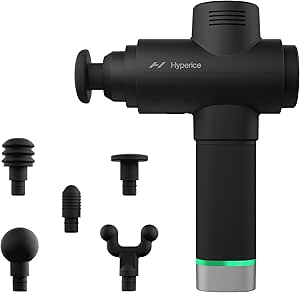
Hyperice Hypervolt 2 Pro Handheld Percussion Massage Gun
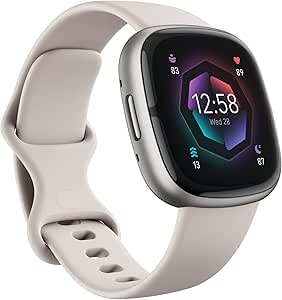
Fitbit Sense 2 Health and Fitness Smartwatch (Lunar White/Platinum)
As an affiliate, we earn on qualifying purchases.
How Nexa Differs From Fixed Implants
Cochlear implants use an implanted component and an external sound processor. The source report describes the implanted part in conventional systems as typically fixed after surgery, with many technology changes arriving through the external processor. Cochlear presents Nexa as a different platform because it incorporates upgradeable firmware inside the implant, creating the possibility of updates to both components over time.
Cochlear Limited, listed on the Australian Securities Exchange as ASX: COH, says it was founded following Professor Graeme Clark’s development of the multichannel cochlear implant. The company reports that it has helped more than 800,000 people across more than 180 countries to hear since 1981. It also reports employing more than 5,500 people globally and investing more than A$3 billion in research and development. These are company figures cited in the source report, not independently verified here.
The TIME list was assembled through nominations and direct applications, according to the report. Its selection gives Nexa a place among inventions TIME recognized for 2026, but the source provides no comparative ranking or detail on how the system was assessed against other entries.
“With the Nucleus Nexa System, we set out to create a cochlear implant platform designed not just for the technology of today, but for the possibilities of tomorrow.”
— Dig Howitt, Cochlear’s CEO and president
Upgrade Details Still Undisclosed
The announcement does not identify the firmware updates planned for the implant, when they might become available, or whether every recipient would be eligible. It also does not explain the process for installing updates, whether any would require an in-person visit or procedure, or whether recipients would face additional costs. Those points remain unanswered in the source material.
No clinical results, patient comparisons, or independent evaluations are included in the report. It is therefore unclear what measurable effects the upgradeable design may have on hearing outcomes, maintenance, or device longevity. The source also does not give a TIME ranking, the full list of selection criteria, or a date for the company’s announcement.
Watch for Upgrade and Access Details
The next useful information would come from Cochlear on product availability, update procedures, eligibility, and costs, as well as details of any planned firmware releases. Clinical evidence and guidance from hearing-care professionals would help recipients and prospective patients assess what the platform’s upgrade capability means in practice.
The source report does not announce a launch date, a new regulatory decision, or a scheduled product milestone. Until further details are released, the confirmed development is the system’s inclusion on TIME’s 2026 list and the company’s stated firmware design.
Key Questions
What is the Nucleus Nexa System?
It is a cochlear implant system from Cochlear Limited. The company says it includes upgradeable firmware in the implanted component, as well as an external sound processor.
What did TIME recognize?
Cochlear says TIME named the Nucleus Nexa System to its Best Inventions of 2026 list. The source report says TIME considered nominations from editors and correspondents, along with direct applications.
Does the TIME listing prove the system improves hearing outcomes?
No. The listing is an editorial recognition. The report provides no clinical results establishing how the system affects hearing outcomes or how it compares with other devices.
When will implant firmware upgrades be available?
The source report does not give an upgrade schedule or describe specific updates. Timing, eligibility, installation methods, and costs remain unclear.
Where can patients get advice about cochlear implants?
People considering an implant or seeking information about a particular system should speak with a qualified hearing-care professional and their medical team. They can ask about clinical evidence, device options, eligibility, and ongoing costs.
Source: rss