TL;DR

Get workout gear delivered free with Prime
- Fast, free delivery on millions of items
- Prime Video, Amazon Music and more included
- Member-only deals all year
Fit&Well describes two balance drills recommended by coach Yancy Culp: very slow walking and controlled high knees. Culp suggests practicing consistently and increasing difficulty gradually; the report does not provide research data showing how much balance improves or how quickly.
Fit&Well has reported two simple balance drills recommended by Yancy Culp, a Spartan DEKA co-creator and senior director: walking unusually slowly and performing high knees at a controlled pace. The exercises are intended as progressive practice for steadiness and coordination, particularly for people who find single-leg balance difficult.
Culp’s first drill, which he calls “delayed walking,” involves walking slowly enough to spend more time balancing on one foot as weight shifts between steps. He advises practicing for several minutes a day and gradually extending the time spent in each step transition. The article presents this as a way to work on balance during a familiar movement, rather than starting with a prolonged one-leg stand.
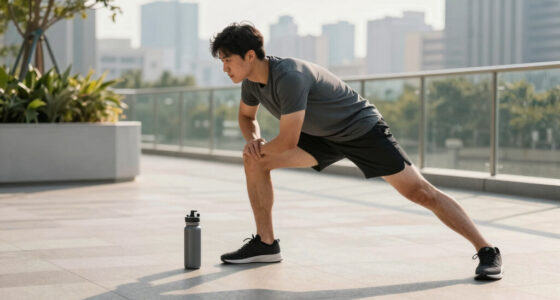
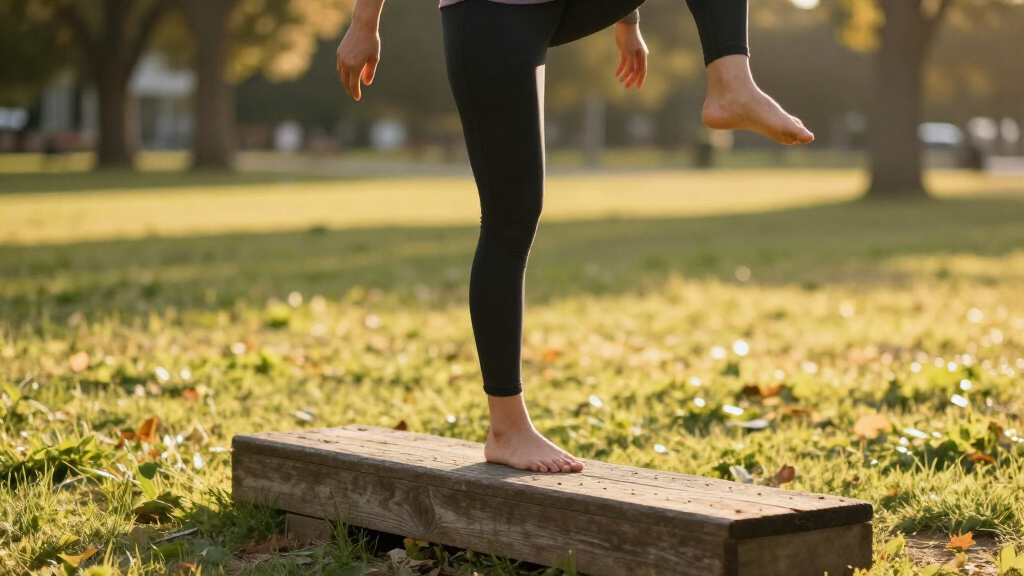
The second drill adapts the familiar high-knee exercise. Culp says to raise a knee slowly, taking three seconds for the leg cycle before returning the foot to the floor, and to continue for two minutes daily. His suggested progression is to add one second to the cycle every fifth day; the report says that would bring the cycle to 10 seconds after 35 days.
Culp also offers optional challenges, such as briefly closing the eyes or reaching down toward the foot during a leg cycle. Those are more demanding variations, not prerequisites. The report advises gradually raising the difficulty, but does not give detailed guidance on how to adapt the drills for people with injuries, health conditions or a high risk of falling.
Practice Balance in Everyday Movement
The drills offer readers a structured way to practice steadiness without immediately attempting a difficult one-leg test. Slow walking and controlled knee lifts require shifting weight and coordinating movement, and Culp’s plan sets out simple ways to make each activity harder over time.
Balance can matter for confidence and safe movement, and the Fit&Well article says it becomes more important with age. That is the source’s framing, rather than a quantified finding about these specific exercises. The report provides no trial results, outcome measures or comparison with other training, so readers should treat the routines as practical exercise suggestions, not a proven guarantee against falls.
Products Worth Considering

Oral-B iO Series 3 Rechargeable Electric Toothbrush for Adults, Black

Therabody Theragun Relief Massage Gun, 3-Speed, Navy

Blueair Blue Pure 511i Max Smart Air Purifier
As an affiliate, we earn on qualifying purchases.
Culp’s Five Fitness Checks
Culp describes standing on one leg while doing a task as the first of five fitness “litmus tests” he uses to help people consider their abilities. The other checks cover cardio fitness, strength and mobility. The example he gives is whether someone can stay steady while tying a shoe; difficulty with that task, he says, may suggest balance and coordination need attention.
The report’s writer recounts having trouble putting on a sock and shoe while standing on one leg, then practicing by putting on socks that way. The writer says improvement took months. That is a personal account, not a controlled test of the drills or a prediction of how long they will take to help other people.
“Balance is one of the clearest indicators of how well the body is functioning day to day.”
— Yancy Culp, Spartan DEKA co-creator and senior director, as quoted by Fit&Well
Evidence and Safety Details Missing
The Fit&Well report does not cite a study testing these two routines, quantify expected improvement or establish that the exercises prevent falls. Culp’s projections about progress are coaching guidance reported by the outlet; individual results and timelines are not established by the material provided.
The source also does not specify how readers should modify the drills for mobility limitations, balance disorders, injuries or other medical conditions. It is unclear whether the suggested eye-closing and reaching variations are suitable for everyone. People who feel unsteady should use a stable support nearby and avoid challenging variations that could increase fall risk; those with pre-existing conditions or concerns can seek guidance from a qualified health professional.
Build Difficulty at a Safe Pace
Culp’s plan is to practice the drills regularly and increase the challenge gradually: extend the walking step transition over time and add a second to the high-knee cycle every fifth day. The report does not set out a formal follow-up test or say when readers should expect a measurable change.
Readers who try the routine can keep the movements controlled, begin at a level they can manage and use support if needed. Any later assessment of the drills’ effectiveness would require information beyond the source report, such as measured outcomes across participants and details about who can safely perform each variation.
Key Questions
What are the two balance drills?
Delayed walking means walking slowly so each step transition takes longer. Slow high knees involve raising a knee under control and taking three seconds for the leg cycle before lowering the foot.
How often does Culp suggest practicing?
For delayed walking, Culp suggests several minutes each day. For slow high knees, he recommends two minutes daily. These are his recommendations as reported by Fit&Well.
How should the high-knee drill progress?
Culp suggests adding one second to the leg cycle every fifth day. The article says this progression would reach a 10-second cycle after 35 days; it does not establish that everyone should follow that pace.
Should beginners close their eyes during the drill?
Closing the eyes briefly is presented as an optional challenge, not a starting requirement. Anyone who feels unsteady should skip it, practice near stable support and consider professional guidance if they have a health condition or fall risk.
Source: rss