
TL;DR

Get workout gear delivered free with Prime
- Fast, free delivery on millions of items
- Prime Video, Amazon Music and more included
- Member-only deals all year
A Fit&Well report describes adding child’s pose and a standing forward fold after daily walks to address stiffness in the hips, legs and back. Physiotherapist Helen O’Leary says the positions stretch lower-back soft tissues, but the report is a personal routine, not evidence that the stretches work for everyone.
A Fit&Well writer has described adding child’s pose and a standing forward fold after daily walks to address stiffness in the hips, legs and back. Physiotherapist Helen O’Leary of Complete Pilates said the poses flex the spine and stretch soft tissues in the lower back, though the report describes one person’s routine rather than a clinical test of its effects.
The writer said they usually walk for no longer than an hour and had assumed the low-impact activity did not require a recovery routine. After moving to a hilly area, however, they noticed stiffness in their legs, hips and back following walks. They now hold each of two stretches for about a minute, a few minutes in total.
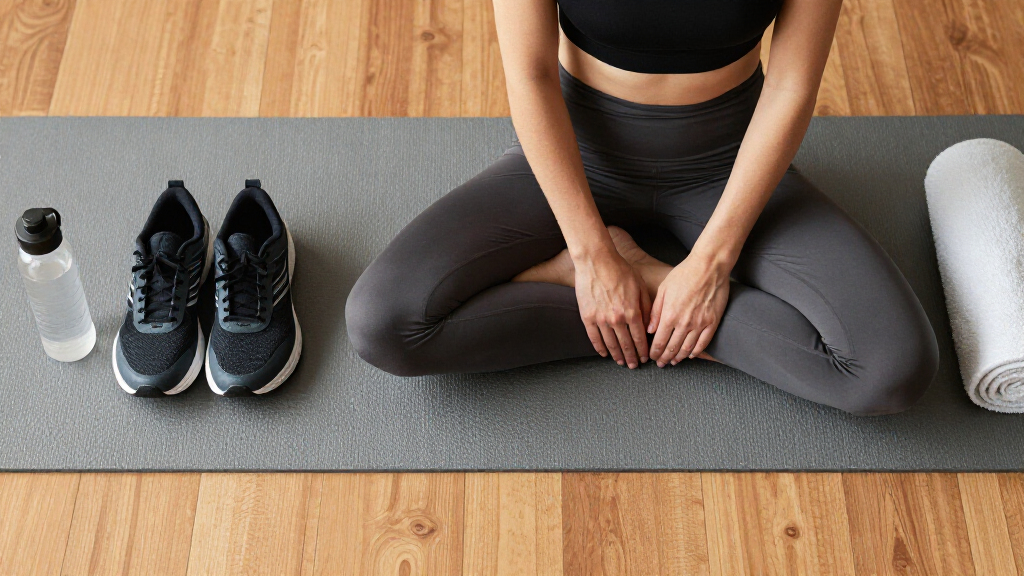
For child’s pose, the instructions are to kneel with the knees wider than hip-width apart, reach the arms forward and sit the hips back. For a standing forward fold, stand with feet hip-width apart, lower the arms toward the feet and keep the knees bent; stop when a stretch is felt in the hamstrings. The report says the writer chose the poses to target the hips and legs while also moving the back.
O’Leary said a side bend can make either position more targeted. In child’s pose, she suggests walking the hands to one side and sitting back into the opposite hip, then repeating on the other side. The report does not give a prescribed stretching schedule beyond the writer’s practice of doing the poses after a walk.
A Short Routine After Walking
The report offers walkers a simple routine that can be attached to an existing daily habit. The writer describes this as habit stacking: linking stretching to walking helped them make the stretches part of each day. The practical point is the low time commitment—a few minutes after a walk—rather than a claim that the routine prevents injury or treats a medical condition.
O’Leary’s comments provide a professional explanation for why these particular poses might feel useful after walking. She said the movements place the spine in flexion and stretch lower-back soft tissues. That explanation may help readers understand the choice of poses, but individual results can vary, and the article does not establish that these stretches will relieve everyone’s discomfort.
Products Worth Considering

Philips Sonicare 5950 Rechargeable Electric Toothbrush with 2 Brush Heads, Pink

BowFlex Results Series SelectTech Adjustable Dumbbells, Pair

Garmin Venu 3 Fitness Smartwatch, 45 mm, Black
As an affiliate, we earn on qualifying purchases.
Why Hills Changed the Routine
The writer’s account links the change in routine to a change in surroundings: after moving to a hilly area, they began noticing stiffness after walks. They had previously regarded walking as low-intensity and assumed it did not call for recovery work. Their experience led them to add stretches focused on the areas they found tight.
O’Leary said stiffness or aching after walking is common, particularly after a long walk. She explained that while standing, the lower back is usually neutral or slightly extended, which loads the small joints in that area. The report presents this as her explanation of possible post-walk stiffness, not as a diagnosis of the writer’s symptoms.
““It is quite common to feel a bit stiff or achy after walking, particularly following a long walk, and certain stretches can alleviate that discomfort.””
— Helen O’Leary, physiotherapist at Complete Pilates
Limits of the Personal Account
The report is based on one writer’s experience and does not include a study, comparison group or measurements of stiffness. It does not establish how much the stretches contributed to the writer feeling less stiff, whether the effect lasts, or whether the routine suits people with different mobility or health concerns.
The source also does not specify how readers should adapt or stop the poses if they cause pain. The writer’s experience should not be taken as evidence that stretching treats an underlying cause of persistent or severe discomfort.
How Readers Can Try the Poses
The report’s routine is to do each position for about one minute after walking, using a bent-knee forward fold and a comfortable range of motion. O’Leary’s suggested side bend can be tried on both sides in child’s pose. The article does not set out a formal progression or say that readers need to stretch after every walk.
Readers who have an existing injury, a health condition affecting movement, or pain that persists should seek advice from a qualified health professional before adopting a new routine. The source does not report further testing or follow-up on the writer’s results, so whether the habit continues to help them remains unknown.
Key Questions
Which two stretches does the report describe?
It describes child’s pose and a standing forward fold, each held for about a minute by the writer.
How is child’s pose performed in the report?
Kneel with the knees wider than hip-width apart, reach the arms forward and sit the hips back. The writer’s instructions suggest holding the position comfortably.
How should the standing forward fold be done?
Stand with feet hip-width apart and lower the arms toward the feet, keeping the knees bent. Stop when a stretch is felt in the hamstrings, rather than forcing the position.
What does the physiotherapist say the poses may do?
Helen O’Leary says they flex the spine and stretch soft tissues in the lower back. This is her explanation of the poses, not a guarantee of relief for every walker.
Does the report show that the stretches work for everyone?
No. It recounts one person’s routine and includes a physiotherapist’s comments, but it does not report clinical testing or evidence that the stretches will have the same effect for all readers.
Source: rss