
TL;DR
Open a free Amazon Business account
Business pricing, bulk buying and tax-exempt orders.
Create a free accountAs an affiliate, we earn on qualifying purchases.
Interest in bone density testing, especially DEXA scans, is rising among women approaching menopause. While some experts recommend screening, it’s not universally advised for all. This article examines what women should consider and what remains uncertain.
As awareness of osteoporosis and bone health grows, more women approaching menopause are considering whether to undergo a DEXA scan, a test that measures bone density. While the test can help identify osteoporosis risk, medical experts emphasize that screening decisions should be personalized, as guidelines vary and evidence is still evolving.
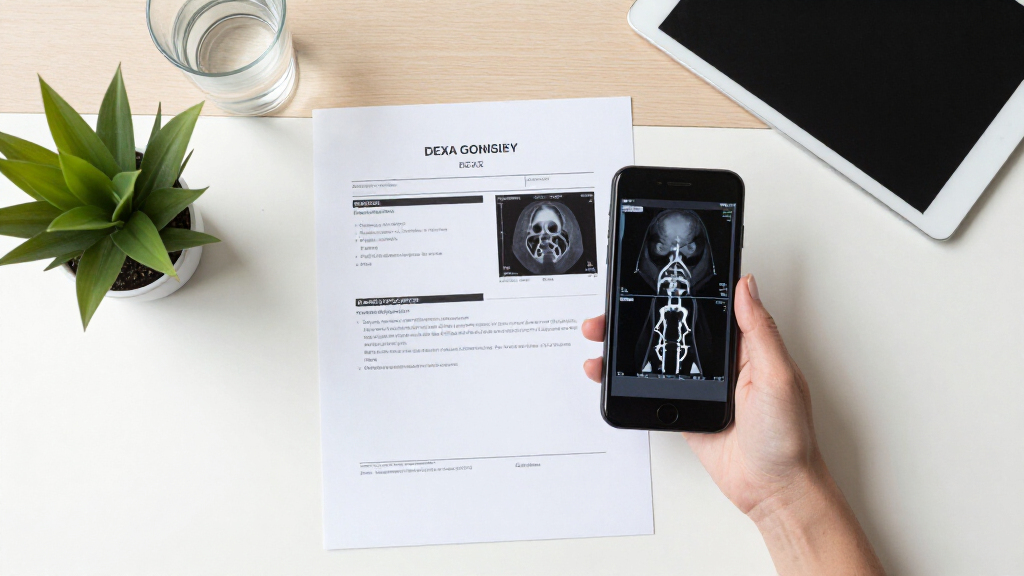
Recent increases in online searches and discussions about DEXA scans suggest that many women are questioning whether they should undergo bone density testing during menopause. A DEXA (dual-energy X-ray absorptiometry) scan is a non-invasive procedure that measures bone mineral density, helping to assess osteoporosis risk.
Currently, clinical guidelines from organizations like the U.S. Preventive Services Task Force recommend bone density screening for women aged 65 and older or younger women with specific risk factors, such as a fracture history or certain medical conditions. However, there is no universal recommendation for screening women at the onset of menopause, typically around age 50.
Healthcare providers often consider individual risk factors, including family history, lifestyle, and other health conditions, before advising a DEXA scan. Some experts suggest that women with risk factors may benefit from earlier testing, while others caution against unnecessary procedures in low-risk cases.
It is important to note that a DEXA scan primarily detects osteoporosis, a condition characterized by weakened bones and increased fracture risk. The test itself is quick, involving minimal radiation exposure, and results are usually expressed as a T-score, indicating how much a woman’s bone density deviates from that of a healthy young adult.
Implications of Bone Density Testing During Menopause
The rising interest in DEXA scans among women approaching menopause highlights a growing concern about osteoporosis and fracture risk. Early detection can lead to lifestyle changes or medical treatments that may strengthen bones and prevent fractures. However, unnecessary testing can also lead to overdiagnosis, anxiety, and unwarranted treatments.
Understanding when and for whom screening is appropriate is crucial. Women with risk factors such as a family history of osteoporosis, smoking, low body weight, or certain medical conditions may benefit from earlier testing. Conversely, those with low risk might avoid unnecessary procedures.
This trend underscores the importance of personalized healthcare and shared decision-making between women and their providers regarding bone health management during menopause.
As an affiliate, we earn on qualifying purchases.
Trends and Current Guidelines on Bone Density Screening
Bone density testing with DEXA scans has long been recommended for women aged 65 and older, based on evidence that risk increases with age. For women under 65, guidelines suggest considering screening if they have risk factors for osteoporosis or fractures.
Recent discussions and increased public interest appear to be driven by heightened awareness of osteoporosis, aging populations, and the desire for proactive health measures. However, official guidelines have not changed to recommend routine screening for women at menopause onset, and recommendations vary among different health organizations.
Research on the cost-effectiveness and clinical benefits of early screening in younger women remains ongoing, and experts continue to debate optimal timing and criteria for testing.
As an affiliate, we earn on qualifying purchases.
Uncertainties About Routine Screening at Menopause
It is unclear whether routine screening for all women at menopause provides significant benefits or is cost-effective. Evidence supporting early screening in women without risk factors remains limited, and current guidelines do not recommend universal testing at this stage.
Further research is necessary to assess the long-term outcomes, optimal timing, and economic impact of early bone density screening during menopause.
The effect of early detection on fracture prevention and treatment success is still under investigation.
As an affiliate, we earn on qualifying purchases.
Future Directions in Bone Health Screening Policies
Ongoing research aims to identify which women would benefit most from early DEXA screening, potentially leading to updated clinical guidelines. Healthcare providers are encouraged to evaluate individual risk factors and involve patients in shared decision-making.
Public health efforts may focus on raising awareness of osteoporosis risk factors and promoting lifestyle habits that support bone health during menopause.
Women should consult their healthcare providers to discuss personal risk and screening options, considering current evidence and guidelines.
As an affiliate, we earn on qualifying purchases.
Key Questions
Should all women get a DEXA scan at menopause?
Not necessarily. Current guidelines recommend screening primarily for women at increased risk of osteoporosis, such as those with family history, low body weight, or medical conditions. Women should consult their healthcare providers for personalized advice.
What are the risks of undergoing a DEXA scan?
The procedure involves minimal radiation exposure, comparable to a chest X-ray, and is generally considered safe. Unnecessary testing may lead to anxiety or over-treatment in some cases.
At what age should women consider bone density testing?
Most guidelines recommend starting at age 65, or earlier if risk factors are present. The decision should be individualized based on health history and risk assessment.
Can lifestyle changes replace the need for a DEXA scan?
While healthy lifestyle choices—such as adequate calcium and vitamin D intake, weight-bearing exercise, and avoiding smoking—support bone health, they do not replace the need for medical assessment in high-risk individuals.
Will early detection prevent fractures?
Early detection can help guide interventions that may strengthen bones and reduce fracture risk, but it is not a guarantee. Ongoing research aims to better understand these outcomes.
Source: rss
Fall yard work Picks
leaf blowers
As an affiliate, we earn on qualifying purchases.