
TL;DR
Play games included with Prime
Start a Prime free trial and play with Amazon Luna on your devices.
As an affiliate, we earn on qualifying purchases.
Podcasts are increasingly being used by patients and doctors, altering traditional doctor-patient dynamics. Experts debate whether this shift improves or complicates healthcare communication.
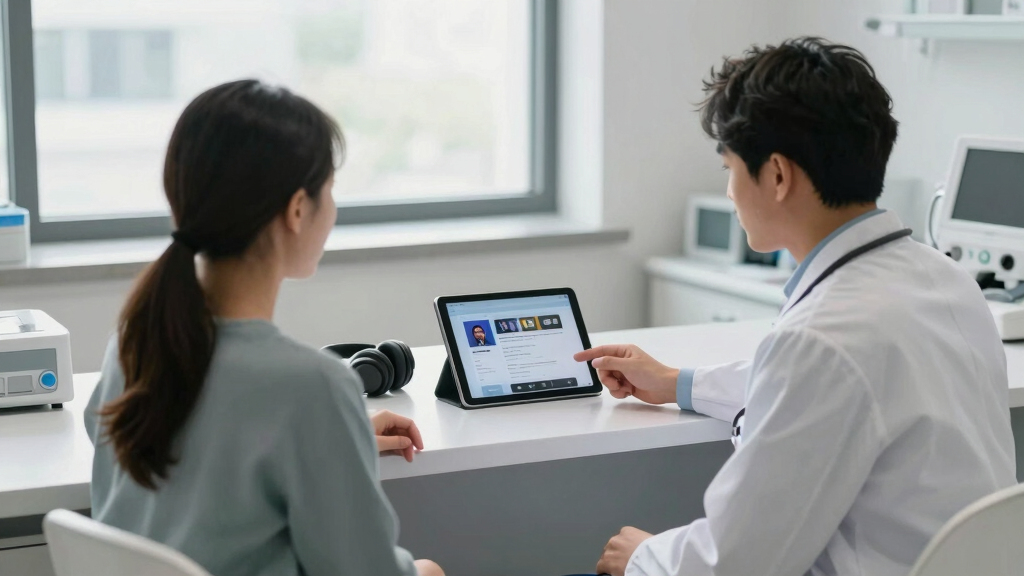
Podcasts are increasingly influencing the way patients and doctors communicate, with many healthcare professionals and patients turning to this medium for health information and discussions. This development is changing the traditional doctor-patient relationship, prompting questions about its benefits and drawbacks.
Recent surveys and studies indicate that a significant number of patients use health-related podcasts to learn about medical conditions, treatment options, and wellness strategies. Concurrently, some healthcare providers incorporate podcasts into their patient education efforts or professional development. Experts note that this trend can foster better-informed patients and more engaged communication. However, critics warn that podcasts may also spread misinformation or oversimplify complex medical issues, potentially impacting trust and decision-making. The shift is part of a broader digital transformation in healthcare, accelerated by the COVID-19 pandemic, which has increased reliance on remote and digital communication channels.While the integration of podcasts into healthcare interactions is still evolving, early evidence suggests both positive and negative implications. Patients report feeling more empowered and connected, but concerns remain about the accuracy of information and the potential for misinterpretation. Healthcare professionals emphasize the importance of guiding patients toward reputable sources and supplementing podcasts with direct clinical advice.
Impacts of Podcasts on Healthcare Communication
This trend could reshape how medical information is disseminated and how patients engage with their health. If effectively integrated, podcasts may enhance health literacy and patient involvement. Conversely, reliance on non-peer-reviewed content could undermine trust and lead to misinformation. Understanding these effects is crucial as digital health tools become more prevalent, influencing future healthcare delivery and patient outcomes.
As an affiliate, we earn on qualifying purchases.
Digital Shift in Healthcare and the Rise of Podcasts
The use of digital media for health information has grown rapidly, especially during the COVID-19 pandemic, which limited in-person visits. Podcasts, as a portable and accessible format, have gained popularity among both patients and healthcare providers. Studies from recent years indicate that around 30% of adults listen to health-related podcasts regularly, with many citing convenience and the desire for trustworthy information as key reasons. Some medical institutions have started producing their own podcasts to reach broader audiences, while patients increasingly turn to these sources for supplementary knowledge. This trend fits into the larger movement toward telemedicine and digital health engagement, which aims to make healthcare more accessible and personalized.
“Podcasts can be a valuable tool for patient education, but they need to be curated carefully to avoid spreading misinformation.”
— Dr. Lisa Monroe, primary care physician
As an affiliate, we earn on qualifying purchases.
Unverified Claims and Potential Risks of Podcast Use
It is still unclear how widespread the impact of podcasts is on actual health outcomes or doctor-patient trust. There is limited longitudinal data on whether podcast-influenced communication leads to better or worse health decisions. Additionally, the quality control of health podcasts varies widely, and the extent to which misinformation influences patient behavior remains under study.
reliable health information podcasts
As an affiliate, we earn on qualifying purchases.
As an affiliate, we earn on qualifying purchases.
Monitoring and Regulating Podcast Content in Healthcare
Healthcare authorities and professional organizations are beginning to develop guidelines for reputable health podcasts and digital communication. Future research will likely focus on assessing the impact of podcast-based communication on health literacy, decision-making, and clinical outcomes. Meanwhile, healthcare providers may increasingly incorporate podcasts into patient education strategies, emphasizing the importance of directing patients to accurate sources and supplementing digital content with personalized medical advice.
doctor-patient communication tools
As an affiliate, we earn on qualifying purchases.
As an affiliate, we earn on qualifying purchases.
Key Questions
Are podcasts replacing traditional doctor visits?
No, podcasts are not replacing in-person visits but are supplementing health information and communication. They serve as additional resources for patients seeking knowledge outside clinical settings.
Can podcasts be trusted for medical advice?
The trustworthiness of health podcasts varies; some are produced by reputable medical institutions, while others may lack proper oversight. Patients should consult healthcare professionals for personalized advice and verify information from credible sources.
What are the risks of relying on podcasts for health information?
Risks include exposure to misinformation, oversimplification of complex health issues, and potential misinterpretation of medical advice. Proper guidance and critical evaluation are essential when engaging with health podcasts.
How are healthcare providers responding to this trend?
Many providers are creating their own podcasts, recommending reputable sources, and integrating digital content into patient education to enhance engagement and understanding.
Source: rss
Fall Picks
fall essentials
As an affiliate, we earn on qualifying purchases.