
TL;DR

Get workout gear delivered free with Prime
- Fast, free delivery on millions of items
- Prime Video, Amazon Music and more included
- Member-only deals all year
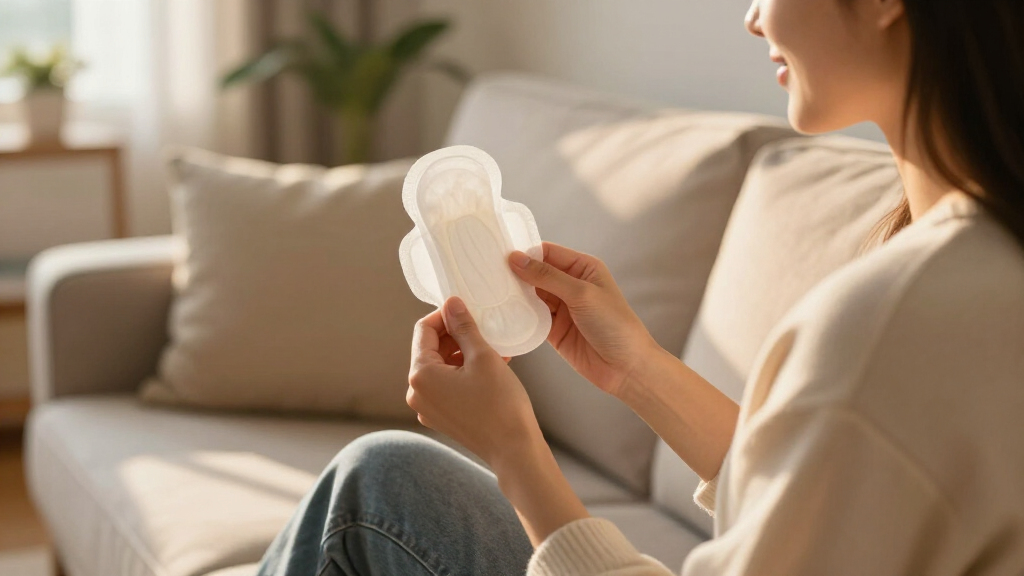
Media coverage of menstrual health has increased markedly globally, with 29 mentions in a recent window, reflecting rising awareness. The development underscores a shift toward more open discussions about women’s health issues.
Media coverage of menstrual health issues has surged globally, with recent data indicating 29 mentions within a specific reporting window, compared to a baseline of fewer mentions. This increase reflects a growing recognition of women’s health needs and the importance of open discussions about menstruation. The development is notable as it signals shifting societal attitudes and media priorities surrounding women’s health issues.
According to data from the GDELT Project, a media monitoring database, there have been 29 mentions related to menstrual health in recent media coverage, representing a significant rise from previous periods. The surge was observed across multiple regions and media outlets, including news articles, social media discussions, and health-focused publications. Experts suggest this increase is driven by broader movements advocating for women’s rights, improved health education, and the destigmatization of menstruation.
While the exact causes of the surge are still being analyzed, health organizations and advocacy groups have welcomed the increased attention. Some reports indicate that this heightened coverage has led to more public dialogue, policy discussions, and funding initiatives aimed at improving menstrual health services and education worldwide. However, it is still unclear how sustained this trend will be or how it will influence long-term policy changes.
Impact of Increased Media Attention on Menstrual Health Awareness
The rise in media coverage of menstrual health matters because it can help reduce stigma, improve education, and influence policy changes. Greater visibility can lead to increased funding for health programs, better access to products, and more inclusive conversations about women’s health. This shift may contribute to closing gaps in health equity and addressing longstanding taboos.
Products Worth Considering

Therabody Theragun Relief Massage Gun, 3-Speed, Black

Fitbit Sense 2 Health and Fitness Smartwatch – Shadow Grey/Graphite

Coway Mighty AP-1512HH(W) Air Purifier, White
As an affiliate, we earn on qualifying purchases.
Historical Trends and Recent Shifts in Menstrual Health Coverage
Historically, menstrual health has been underrepresented in mainstream media, often subject to stigma and silence. Over recent years, advocacy efforts and global movements have pushed for more open discussions. The recent spike in mentions, as tracked by GDELT, marks a notable change, possibly driven by increased activism, policy debates, and the COVID-19 pandemic’s spotlight on health disparities. This development aligns with broader trends toward health inclusivity and gender equality.
“The recent increase in media attention on menstrual health is a positive sign that society is beginning to prioritize women’s health issues more openly.”
— Dr. Lisa Carter, Women’s Health Expert
Uncertainties About the Longevity and Impact of Coverage Surge
It is not yet clear whether this increase in media mentions will lead to sustained attention or translate into concrete policy changes. The long-term effects on public awareness, health services, and funding remain uncertain, and further analysis is needed to assess whether this trend persists or is a temporary spike.
Next Steps in Monitoring Media and Policy Developments
Researchers and advocates plan to continue monitoring media coverage and policy responses related to menstrual health. Future efforts may focus on assessing the impact of increased attention on health outcomes, funding allocations, and education initiatives. Stakeholders will also watch for sustained media engagement and potential policy reforms emerging from this heightened awareness.
Key Questions
What caused the recent surge in media coverage of menstrual health?
The surge appears to be driven by broader social movements advocating for women’s rights, increased health awareness, and destigmatization efforts, alongside media interest in health equity issues.
Does increased media coverage lead to policy changes?
While increased coverage can raise awareness and influence policymakers, it is too early to determine if this surge will result in concrete policy reforms or improved health services.
How is this trend being measured?
The trend is tracked using media monitoring tools like GDELT, which counts mentions across news outlets, social media, and other platforms within specific timeframes.
Will this coverage increase continue?
It is uncertain whether this spike is temporary or part of a longer-term trend, and ongoing monitoring will be necessary to observe future developments.
Who benefits from increased media attention on menstrual health?
Women and girls, health advocates, policymakers, and educational organizations are likely to benefit from greater awareness, improved resources, and reduced stigma.
Source: gdelt