
TL;DR

Get workout gear delivered free with Prime
- Fast, free delivery on millions of items
- Prime Video, Amazon Music and more included
- Member-only deals all year
The International Hearing Society is using October’s National Protect Your Hearing Month to encourage people to protect their hearing and seek annual evaluations. The group points to World Health Organization projections of a rising global hearing-loss burden; the recommendation is IHS guidance, not a stated universal clinical requirement.
The International Hearing Society (IHS) is using October’s National Protect Your Hearing Month to encourage people to protect their hearing from damaging noise and get routine hearing evaluations, including an annual check. The campaign matters against a growing global burden: the World Health Organization (WHO) projects that nearly 2.5 billion people will have some degree of hearing loss by 2050.
IHS says its October public education effort focuses on noise-induced hearing loss (NIHL) and the value of proactive care. The society describes NIHL as largely preventable and urges people to pay attention to hearing health before they notice a problem. The supplied report does not describe a new screening program or a change in clinical guidelines; it presents an awareness campaign and IHS recommendations.
IHS President Michael Andreozzi, identified by the society as BS, BC-HIS, recommends that people have their hearing evaluated once a year. The organization also advises establishing a hearing baseline with a qualified hearing healthcare provider. A baseline can give a provider a point of comparison if hearing changes later, although the report does not quantify how often evaluations detect a change or specify a single testing method.
For people seeking care, IHS directs consumers to the provider locator at ihsinfo.org. The association says its members include hearing aid specialists and other hearing healthcare professionals involved in hearing assessments, choosing and fitting hearing instruments, counseling, and follow-up care. The source does not provide campaign dates beyond October or details of specific events, materials, or services offered through the campaign.
Why Routine Hearing Checks Matter
The campaign puts prevention and earlier attention to hearing changes at the center of an issue that can affect communication and daily life. IHS’s annual-evaluation recommendation is a practical prompt for consumers, while its advice to protect hearing from excessive noise addresses a risk it describes as largely preventable. These are the society’s public-health messages; the report does not establish that every person needs the same testing schedule.
The scale figures cited by IHS help explain the campaign’s urgency. WHO estimates that 1.5 billion people currently live with some level of hearing loss and projects that nearly 2.5 billion will do so by 2050. WHO also projects that more than 700 million people may need rehabilitation by that year. Those projections describe the expected global burden, not a forecast specifically for the United States or a claim about the impact of this month’s campaign.
For readers, the immediate takeaway is to treat hearing health as something to monitor, rather than waiting for a noticeable decline before seeking advice. People concerned about possible hearing changes can contact a qualified provider; the report does not offer individualized medical guidance or say that an annual evaluation replaces consultation about symptoms.
Products Worth Considering

Withings BPM Connect Wi-Fi and Bluetooth Blood Pressure Monitor
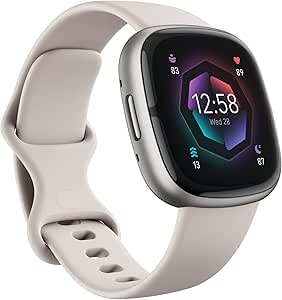
Fitbit Sense 2 Health and Fitness Smartwatch (Lunar White/Platinum)

Fitbit Sense Health & Fitness Smartwatch (White/Gold, International Version)
As an affiliate, we earn on qualifying purchases.
The October Hearing Health Campaign
National Protect Your Hearing Month provides the timing for IHS’s renewed public message on hearing protection. The society says it works alongside WHO to raise awareness of NIHL and strategies for protecting hearing. The supplied report does not identify a formal partnership arrangement, campaign funding, or a particular WHO program tied to the October effort.
IHS was founded in 1951 and describes itself as a membership association representing hearing healthcare professionals worldwide. Its membership includes hearing aid specialists, whose work can include assessing hearing, selecting and fitting hearing instruments, counseling patients, and providing aftercare. This professional focus helps explain why the group is directing consumers toward its provider locator as part of the awareness message.
The source frames annual evaluations as an IHS recommendation rather than a legal requirement or a newly announced standard. It does not state that the WHO endorses annual testing for all people. Keeping that distinction clear matters: the campaign encourages routine attention to hearing, while an individual’s testing needs may depend on their circumstances and a provider’s advice.
““Hearing is one of those senses that everybody needs to pay close attention to — no different than your eyes and vision. We suggest that people have their hearing evaluated once a year.””
— Michael Andreozzi, IHS president
Details the Campaign Leaves Open
The supplied report does not say whether IHS’s annual-evaluation advice is based on a newly issued clinical guideline, nor does it identify an age group or risk category for which the recommendation is intended. It also gives no details about how evaluations should be conducted, what they cost, or whether insurance covers them. Readers should not interpret the association’s general recommendation as an individualized assessment.
The source does not specify the year of the October campaign, its full schedule, or whether IHS will publish additional materials or organize events. WHO’s figures are projections for 2050, and the report does not provide the methods or assumptions behind them. The projected totals should not be treated as confirmed future outcomes.
Where Consumers Can Seek Guidance
IHS is directing people to ihsinfo.org to find hearing aid specialists and other hearing healthcare professionals. Consumers who are considering a hearing evaluation can use the locator to identify a provider and ask about the assessment process, costs, and appropriate follow-up. IHS’s October message also points people toward hearing protection as a preventive measure, particularly around damaging noise.
The report gives no dates for further campaign announcements or events. Any additional activity, clinical guidance, or local services would need to be confirmed by IHS or the relevant provider. For now, the confirmed development is the society’s awareness push and its call for routine hearing care, not a new national testing mandate.
Key Questions
What is IHS asking people to do?
IHS encourages people to protect their hearing from damaging noise and recommends an annual hearing evaluation. It also suggests establishing a baseline with a qualified hearing healthcare provider.
Is an annual hearing evaluation a requirement?
No requirement is described in the report. Annual evaluations are presented as IHS’s recommendation, not a legal mandate or a stated universal clinical guideline.
What does WHO project about hearing loss?
WHO figures cited by IHS say 1.5 billion people currently live with some degree of hearing loss. WHO projects nearly 2.5 billion by 2050, with more than 700 million needing rehabilitation; these are projections, not confirmed future counts.
How can someone find a hearing healthcare provider?
IHS directs consumers to its provider locator at ihsinfo.org. The report says the locator can connect people with hearing aid specialists and other hearing healthcare professionals.
Source: rss