
TL;DR

Get workout gear delivered free with Prime
- Fast, free delivery on millions of items
- Prime Video, Amazon Music and more included
- Member-only deals all year
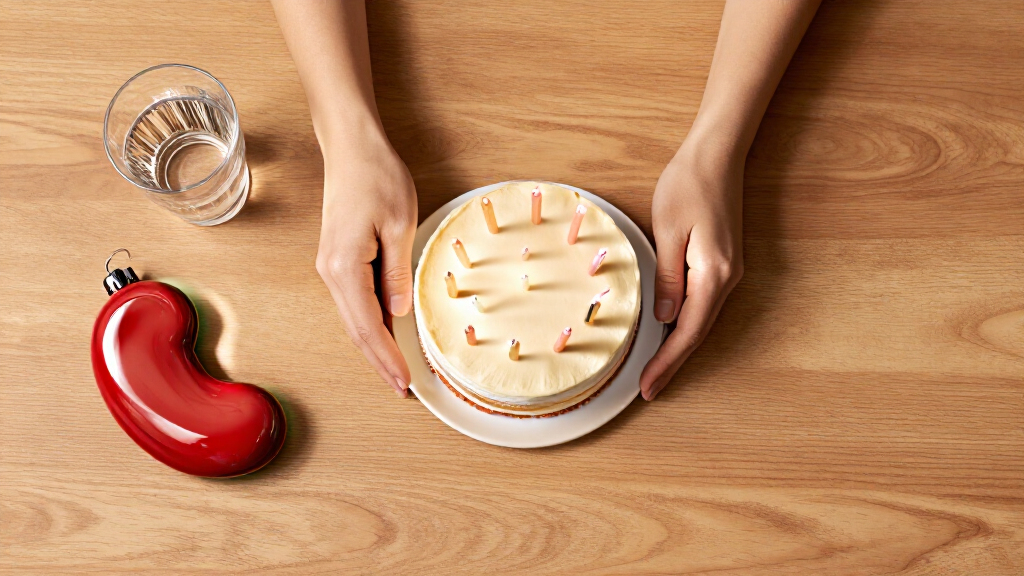
Ray Vetuskey, now 64, is marking what would have been the 100th birthday of the kidney his mother donated to him when he was 16. The transplant took place at Strong Hospital in March 1978, and the kidney is still functioning, according to a report by WHEC and Vetuskey’s doctor.
Ray Vetuskey of Webster, New York, is marking what would have been the 100th birthday of the kidney his mother donated to him when he was 16. The organ, transplanted at Strong Hospital in March 1978, is still working, according to a WHEC report, making Vetuskey the hospital’s longest-surviving kidney transplant recipient, as described by a transplant physician.
Vetuskey developed serious kidney problems as a teenager. He told WHEC that tests showed his kidneys were not working and he was placed on dialysis. When dialysis did not restore their function, doctors said a transplant was his remaining option. His mother, Betty, then 52, offered one of her kidneys.
The operation took place in March 1978. Vetuskey still has a calendar from that month, with the surgery date circled, and the ticket stub from a Genesis concert he attended after the transplant. He recalled that he and his mother were on gurneys before surgery when she told him not to worry because she had a concert to go to and would not miss it.
Vetuskey said he now sees doctors at Strong Hospital for a check-up once a year. His mother has died, but he said he thinks of her daily. He has also had a star named in her honor through a national star registry.
A Transplant That Defied Expectations
The case stands out because living-donor kidneys typically last 15 to 20 years, according to Dr. Miklos Molnar, director of transplant medical services at URochester Medicine, as quoted by WHEC. Vetuskey’s kidney has continued functioning for nearly 48 years, far beyond that typical range. The report does not offer a medical explanation for its longevity, and one person’s experience should not be taken as a forecast for other recipients.
The story also comes amid ongoing local demand for organs. WHEC reported that about 500 people in the region are waiting for a kidney transplant, with hundreds more waiting for other organ transplants. The Finger Lakes Donor Recovery Network is using Vetuskey’s experience to encourage people to consider registering as donors. Donation decisions are personal, and prospective donors can specify which organs and tissues they are willing to donate.
Products Worth Considering

Withings BPM Vision Blood Pressure Monitor with Wi-Fi and Bluetooth

Fitbit Sense 2 Health and Fitness Smartwatch – Shadow Grey/Graphite

Withings BPM Connect Smart Blood Pressure Monitor
As an affiliate, we earn on qualifying purchases.
From Dialysis to Donation
Vetuskey grew up in Seabreeze as the youngest of five children. He described having a close relationship with Betty, who was known and loved in their neighborhood. When his kidney failure did not improve with dialysis, her decision to donate gave him access to a transplant at age 16.
Vetuskey recalled his mother’s offer as immediate and generous, saying she would have done anything to help him. The operation and concert became linked in his memory: he kept both the circled surgery date and the concert ticket. The transplant’s long-term success is now part of Strong Hospital’s record, according to Molnar’s comments to WHEC.
For local donation figures, WHEC reported that 72% of people in the area are registered donors. The report did not specify the underlying survey or registration-data period. Nancy Ryan of the Finger Lakes Donor Recovery Network said the organization hopes stories like Vetuskey’s prompt people to think about donation while they have time to make a choice.
“Every day I think of her, doesn’t a day go by…She’s right by my side, all the time.”
— Ray Vetuskey, speaking to WHEC
Medical Outlook and Record Details
WHEC reported that doctors believe the kidney could last for the rest of Vetuskey’s life; that is an expectation, not a guarantee. The report does not provide details about the kidney’s current clinical measurements, the specific factors behind its unusually long function, or an independent comparison with transplant records at other hospitals. Molnar’s comments place Vetuskey at the top of Strong Hospital’s program history, but do not establish a wider national or international record.
The report also does not give a precise date for the birthday celebration or identify the date of Betty’s birth. It describes her as having turned 52 at the time of donation and says she would have been 100 in the year of the report.
Annual Check-Ups and Donor Choices
Vetuskey is expected to continue his annual check-ups at Strong Hospital. The report says his doctors believe the kidney may continue working for the rest of his life, while leaving the outcome uncertain.
The Finger Lakes Donor Recovery Network is asking residents to consider joining the donor registry. According to WHEC, people older than 16 can register, choose which organs or tissues they wish to donate, and change or withdraw their registration later. The report directs readers to the network for further information.
Key Questions
Who donated the kidney to Ray Vetuskey?
His mother, Betty Vetuskey, donated one of her kidneys when he was 16.
When did the transplant take place?
Surgeons at Strong Hospital performed the transplant in March 1978.
Is the transplanted kidney still working?
Yes. WHEC reported that the kidney was still functioning nearly 48 years after the transplant. Vetuskey visits Strong Hospital for a check-up once a year.
How many people are waiting for a kidney transplant in the region?
WHEC reported that about 500 people locally were waiting for a kidney transplant. The report did not specify the date or method used to compile that figure.
Can people choose what they donate?
According to the report, people older than 16 can register as donors, limit their registration to selected organs or tissues, and modify or withdraw their choice later.
Source: hn