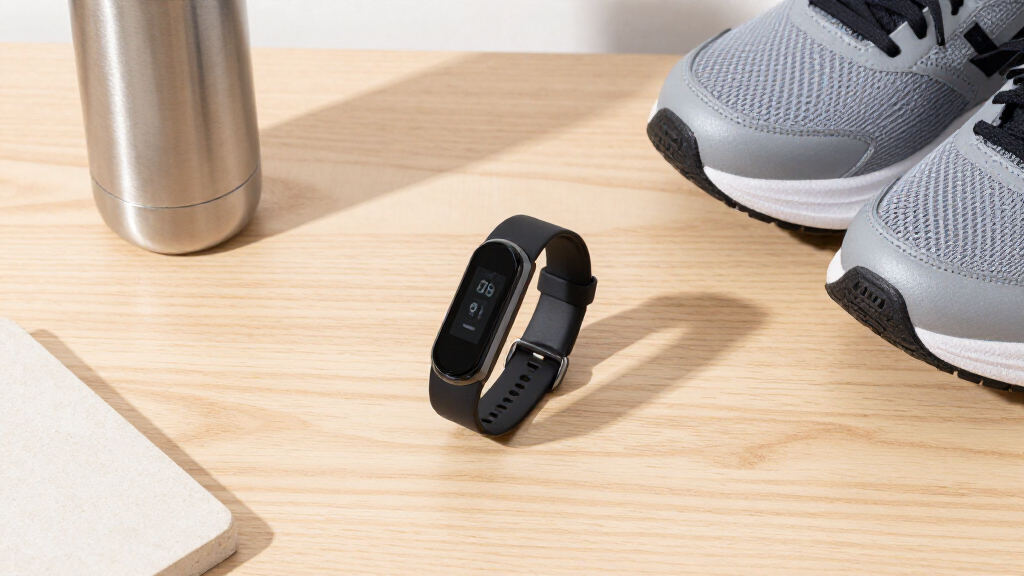

The best wearable fitness trackers balance useful health and activity data with a design you will want to wear every day. I’d name the Fitbit Charge 6 my best overall pick for its broad mix of fitness and smartwatch functions, while the Garmin vívoactive 5 suits people who want GPS and training features, and the Fitbit Inspire 3 offers a simpler starting point. The main tradeoffs are screen versus screenless simplicity, dedicated training tools versus everyday wellness tracking, and whether you are comfortable with a membership model. Read on for how the full lineup compares, including rings and screenless bands that take a different approach to tracking.

Get workout gear delivered free with Prime
- Fast, free delivery on millions of items
- Prime Video, Amazon Music and more included
- Member-only deals all year
Complete the kit

Key Takeaways
One screen does not suit every routine: the Fitbit Charge 6 and Inspire 3 offer at-a-glance information, while Fitbit Air, WHOOP, and several generic bands favor screenless tracking and app-based review.
Training needs separate the GPS-focused options: Garmin vívoactive 5 is the clearest fit for buyers who want a smartwatch-style device with GPS, rather than a band centered mainly on daily health metrics.
Membership matters in the WHOOP comparison: the listed WHOOP 5.0 options include a 12-month membership, so buyers should weigh the ongoing service model alongside the tracker itself.
Form factor changes what you notice: the Oura Ring 5 avoids a wrist display, which may suit people who dislike wrist wear, but a ring is not a direct substitute for a screen-equipped activity band.
Several listings are close relatives, not clear upgrades: the two C60 AMOLED trackers and multiple WHOOP 5.0 listings make it especially useful to compare exact model details and included accessories before choosing.
| MorePro AIR2 Fitness Tracker with Heart Rate, Blood Pressure, Sleep Tracking, 112 Sports Modes, and Two Bands |  | Best for Workout Variety | Display: 1.57-inch touchscreen | Sports modes: 112 | Health tracking: Heart rate, blood pressure, blood oxygen, and sleep stages | VIEW LATEST PRICE | See Our Full Breakdown |
| Google Fitbit Air Screenless Activity Tracker, Obsidian |  | Best Screenless Pick for Connected Coaching | Display: Screenless | Band: Google Performance Loop Band; one size, 130–210 mm | Sensors: Optical heart rate monitor, accelerometer, gyroscope, device temperature sensor, and red and infrared SpO2 sensors | VIEW LATEST PRICE | See Our Full Breakdown |
| FITVII Screenless Fitness Tracker |  | Best Screenless Value Without a Subscription | Display: No display | Tracking: Heart rate, blood pressure, blood oxygen, HRV, sleep, steps, calories, distance, and stress | Water resistance: IP68 | VIEW LATEST PRICE | See Our Full Breakdown |
| Bakoor C60 Fitness Tracker with 1.1-Inch AMOLED Display |  | Best for Simple On-Wrist Checks | Display: 1.1-inch AMOLED touchscreen | Sports modes: 25 | Tracking: Heart rate, activity, sleep, and workouts | VIEW LATEST PRICE | See Our Full Breakdown |
| Google Fitbit Air Special Edition Stephen Curry Screenless Fitness Tracker, Rye |  | Best Special-Edition Screenless Tracker | Display: No display | Band: Google Performance Loop; one size, 130–210 mm; 18.2 mm wide | Sensors: Optical heart rate monitor, accelerometer, gyroscope, skin temperature sensor, and red and infrared SpO2 sensors | VIEW LATEST PRICE | See Our Full Breakdown |
| Screenless Fitness Tracker with Heart Rate, SpO2, HRV and Sleep Tracking |  | Best for Long Battery Life | Display: Screenless | Battery life: 20–30 days | Weight: 25 g | VIEW LATEST PRICE | See Our Full Breakdown |
| Google Fitbit Inspire 3 Fitness Tracker with Small and Large Bands, Midnight Zen/Black |  | Best for Everyday Wellness | Color: Midnight Zen/Black | Included bands: Small and large | Compatibility: Apple iOS 16.4 or later; Android OS 11.0 or later | VIEW LATEST PRICE | See Our Full Breakdown |
| WHOOP 5.0/MG Activity Tracker with 12-Month Membership |  | Best Premium Health-Metrics Pick | Model: WHOOP MG, model 973-002-000 | Display: Screenless | Membership: 12 months | VIEW LATEST PRICE | See Our Full Breakdown |
| WHOOP 5.0 Activity Tracker with 12-Month Membership |  | Best for Training and Recovery Insights | Model: WHOOP 5.0, model 973-004-000 | Display: Screenless | Battery life: 14+ days | VIEW LATEST PRICE | See Our Full Breakdown |
| C60 Fitness Tracker with 1.10-Inch AMOLED Screen |  | Best Budget-Style Screened Tracker | Display: 1.10-inch AMOLED touchscreen | Heart rate monitoring: 24/7 | Sports modes: 25 | VIEW LATEST PRICE | See Our Full Breakdown |
| WHOOP 5.0 Activity Tracker with 12-Month Membership |  | Best for Recovery-Focused Training | Display: Screenless | Battery life: Up to 14+ days | Monitoring: Activity, sleep, heart rate, HRV, recovery, VO2 max, and menstrual cycle insights | VIEW LATEST PRICE | See Our Full Breakdown |
| Oura Ring 5 Smart Ring, Silver, Size 7 |  | Best Compact Sleep and Health Tracker | Material: Titanium | Color and size: Silver, size 7 | Battery life: 6–9 days | VIEW LATEST PRICE | See Our Full Breakdown |
| Google Fitbit Charge 6 Fitness Tracker, Obsidian/Black |  | Best for Connected Workout Tracking | Display input: Touchscreen | GPS: Built-in | Exercise modes: Over 40 | VIEW LATEST PRICE | See Our Full Breakdown |
| Zeacool Fitness Tracker with Heart Rate, Blood Oxygen and Sleep Monitoring |  | Best Budget-Style Feature Variety | Display: 1.47-inch AMOLED HD touchscreen | Sports modes: 123 | Health tracking: Heart rate, blood oxygen, sleep, and temperature | VIEW LATEST PRICE | See Our Full Breakdown |
| Garmin vívoactive 5 GPS Smartwatch, 42 mm, Black |  | Best Premium GPS Fitness Smartwatch | Display: AMOLED touchscreen | GPS: Built-in | Battery life: Up to 11 days in smartwatch mode | VIEW LATEST PRICE | See Our Full Breakdown |
| wearable fitness tracker | Display | Battery life | Water resistance | Compatibility |
|---|---|---|---|---|
| MorePro AIR2 Fitness Tracker w | 1.57-inch touchscreen | Up to 7 days | IP68 | Android 7.0+ and iOS 13.0+ smartphones |
| Google Fitbit Air Screenless A | Screenless | Up to 7 days | Up to 50 meters | Android 11.0+ and iOS 16.4+ |
| FITVII Screenless Fitness Trac | No display | 3–5 days; approximately 1–3 days with frequent sports mode use | IP68 | — |
| Bakoor C60 Fitness Tracker wit | 1.1-inch AMOLED touchscreen | Up to 7 days | IP68 | Android 5.0+ and iOS 9.0+ |
| Google Fitbit Air Special Edit | No display | Up to 7 days | 50 meters | Android 11.0+ and iOS 16.4+ |
| Screenless Fitness Tracker wit | Screenless | 20–30 days | IP68 | Android 4.4+ / iOS 9.0+ |
| Google Fitbit Inspire 3 Fitnes | — | — | — | Apple iOS 16.4 or later; Android OS 11.0 or later |
| WHOOP 5.0/MG Activity Tracker | Screenless | Up to 14+ days | — | — |
| WHOOP 5.0 Activity Tracker wit | Screenless | 14+ days | — | — |
| C60 Fitness Tracker with 1.10- | 1.10-inch AMOLED touchscreen | Up to 7 days | IP68 | Android 5.0 or later; iOS 9.0 or later |
| WHOOP 5.0 Activity Tracker wit | Screenless | Up to 14+ days | — | — |
| Oura Ring 5 Smart Ring | No display | 6–9 days | IP68 | iOS and Android |
| Google Fitbit Charge 6 Fitness | — | — | 50 m | — |
| Zeacool Fitness Tracker with H | 1.47-inch AMOLED HD touchscreen | Up to 10–14 days regular use; up to 30 days standby | — | iPhone and Android smartphones |
| Garmin vívoactive 5 GPS Smartw | AMOLED touchscreen | Up to 11 days in smartwatch mode | — | — |
More Details on Our Top Picks
MorePro AIR2 Fitness Tracker with Heart Rate, Blood Pressure, Sleep Tracking, 112 Sports Modes, and Two Bands
The MorePro AIR2 is the most workout-focused choice here for buyers who want a broad menu of activities on a wrist-worn tracker. Its 112 sports modes give it more activity options than the Bakoor C60’s 25, while the touchscreen makes notifications and daily stats easier to check than on either screenless Fitbit Air. It also tracks heart rate, blood oxygen, sleep, and blood pressure, though those readings are not medical measurements. The two included bands offer a practical way to change the feel for workouts or everyday wear, and battery life is listed at up to seven days. The tradeoff is a shorter compatibility list than Bakoor’s: it needs Android 7.0 or iOS 13.0, and it cannot pair with tablets or PCs.
Pros:- 112 sports modes cover more activity types than the Bakoor C60’s 25
- Tracks heart rate, blood oxygen, sleep, and blood pressure
- Includes silicone and nylon bands for different wearing preferences
- Up to seven days of stated battery life
Cons:- Health readings are not a substitute for medical devices
- Does not support pairing with iPads, tablets, or PCs
- Requires a compatible Android or iOS smartphone and the FitCloudPro app
Best for: People who switch among many workout types and want a readable screen, broad activity tracking, and two band options.
Not ideal for: Buyers who want medical-grade health readings, tablet compatibility, or a screenless tracker for an unobtrusive feel.
- Display:1.57-inch touchscreen
- Sports modes:112
- Health tracking:Heart rate, blood pressure, blood oxygen, and sleep stages
- Water resistance:IP68
- Battery life:Up to 7 days
- Connectivity:Bluetooth LE 5.2
- Compatibility:Android 7.0+ and iOS 13.0+ smartphones
- App and included bands:FitCloudPro; silicone and nylon bands
Our verdict“Choose the MorePro AIR2 if workout variety and an on-wrist screen matter more to you than medical-grade readings or tablet compatibility.”
Google Fitbit Air Screenless Activity Tracker, Obsidian
The Google Fitbit Air suits buyers who would rather wear a discreet tracker all day than check stats on a wrist display. It tracks heart rate, movement, skin temperature variation, and blood oxygen, and its band adjusts in small increments for a more tailored fit during sleep and exercise. Unlike the MorePro AIR2, it has no screen or built-in GPS: route tracking depends on a connected phone, so it is less convenient for phone-free workouts. Its stated battery life reaches seven days, and a five-minute charge can provide up to a day of use, a useful recovery from a missed charging window. Water resistance to 50 meters also makes it a stronger swim-friendly option than the listed IP68 trackers. Personalized coaching requires a separate Google Health Premium subscription.
Pros:- Screenless, lightweight design is suited to all-day and overnight wear
- Water resistant to 50 meters
- Up to seven days of battery life, with a five-minute fast-charge option
- Tracks heart rate, movement, skin temperature variation, and blood oxygen
Cons:- GPS requires a connected smartphone
- No screen for quick checks of workout or daily data
- Personalized coaching requires a separate Google Health Premium subscription
Best for: People who want a low-profile tracker for continuous wear, sleep tracking, and phone-connected workout routes.
Not ideal for: Runners who want GPS without carrying a phone, buyers who need at-a-glance stats, or anyone unwilling to use a paid coaching subscription.
- Display:Screenless
- Band:Google Performance Loop Band; one size, 130–210 mm
- Sensors:Optical heart rate monitor, accelerometer, gyroscope, device temperature sensor, and red and infrared SpO2 sensors
- GPS:Via smartphone
- Water resistance:Up to 50 meters
- Battery life:Up to 7 days
- Fast charging:Up to 1 day of battery life in 5 minutes
- Compatibility:Android 11.0+ and iOS 16.4+
Our verdict“Pick the Fitbit Air if discreet, phone-connected tracking matters more than an on-device display or independent GPS.”
FITVII Screenless Fitness Tracker
The FITVII Screenless Fitness Tracker is the straightforward choice for buyers who want a wide set of wellness metrics without adding a subscription to the app experience. Along with heart rate, sleep, steps, and distance, it lists HRV, stress, blood pressure, and blood oxygen tracking. That is a broader stated set of health measures than the Google Fitbit Air, though FITVII’s app features do not require registration or a subscription. The tradeoff is battery endurance: it is listed at three to five days in typical use, but frequent sports mode use can cut that to about one to three days. Like the Fitbit Air, GPS relies on a smartphone, and FITVII has no screen for quick checks. Its two adjustable bands add fit flexibility, but its health measurements are not for medical use.
Pros:- Tracks heart rate, blood pressure, blood oxygen, HRV, sleep, and stress
- Core app features do not require a subscription or registration
- Includes two adjustable bands
- IP68 water resistance
Cons:- Battery life may fall to about one to three days with frequent sports mode use
- GPS requires a smartphone, and there is no display for quick data checks
- Health measurements are not for medical use
Best for: Budget-minded smartphone users who want screenless tracking, multiple wellness metrics, and app access without a subscription.
Not ideal for: People who use sports tracking frequently and want longer battery life, phone-free GPS, or medical-grade readings.
- Display:No display
- Tracking:Heart rate, blood pressure, blood oxygen, HRV, sleep, steps, calories, distance, and stress
- Water resistance:IP68
- Battery life:3–5 days; approximately 1–3 days with frequent sports mode use
- Bands:Two adjustable bands
- Wrist size:6.22–9.45 inches
- Connectivity:Bluetooth 5.0; GPS via smartphone
- Compatibility and app:Android 7 or later; iOS 13.0 or later; no subscription required
Our verdict“Choose FITVII if you want a screenless tracker with broad wellness tracking and no subscription, and can accept shorter battery life during frequent workouts.”
Bakoor C60 Fitness Tracker with 1.1-Inch AMOLED Display
The Bakoor C60 is the simplest pick for buyers who want a compact screen for checking activity and notifications without moving to a screenless band. Its 1.1-inch AMOLED touchscreen offers on-wrist access, while the Google Fitbit Air and FITVII require a phone for viewing detailed data. The C60 tracks heart rate, activity, sleep, and workouts across 25 sports modes, with connected GPS for route recording. That is a narrower activity menu than the MorePro AIR2’s 112 modes, so it suits routine exercise better than people who want a dedicated mode for many different activities. Battery life is listed at up to seven days, and IP68 water resistance supports everyday wear. A significant drawback is the listed absence of a warranty; its health measurements are for reference only.
Pros:- AMOLED touchscreen allows quick checks without reaching for a phone
- Connected GPS can record workout routes
- Tracks heart rate, activity, sleep, and workouts
- IP68 water resistance and up to seven days of stated battery life
Cons:- Only 25 sports modes, compared with 112 on the MorePro AIR2
- No warranty is listed
- Health measurements are for reference only
Best for: People who want a small touchscreen for basic workout, sleep, and notification checks, with connected GPS for routes.
Not ideal for: Buyers who need a warranty, a broad selection of workout modes, or health readings intended for medical decisions.
- Display:1.1-inch AMOLED touchscreen
- Sports modes:25
- Tracking:Heart rate, activity, sleep, and workouts
- GPS:Connected GPS
- Water resistance:IP68
- Battery life:Up to 7 days
- Compatibility:Android 5.0+ and iOS 9.0+
- Warranty:No warranty
Our verdict“The Bakoor C60 fits buyers who want a basic on-wrist display and connected route tracking, but its lack of warranty makes it a less reassuring pick.”
Google Fitbit Air Special Edition Stephen Curry Screenless Fitness Tracker, Rye
The Google Fitbit Air Stephen Curry Special Edition offers the same basic screenless-tracker approach as the Obsidian Fitbit Air: continuous wear, health and activity sensing, and smartphone-connected GPS. Its distinguishing appeal is the Rye-colored Stephen Curry edition, not a different tracking feature set. The micro-adjustable band and 50-meter water resistance support use across workouts, daily wear, and sleep; listed battery life reaches seven days, with a five-minute charge providing up to a day. Compared with the MorePro AIR2, this Fitbit trades an on-wrist display and many sports modes for a discreet form and deeper phone-based use. It also shares the standard Fitbit Air’s limits: GPS needs a smartphone, and some personalized coaching requires a separate subscription. Buyers who do not care about the special-edition color can choose the Obsidian version for the same core style of tracking.
Pros:- Screenless design supports discreet wear during workouts and sleep
- Water resistant to 50 meters
- Up to seven days of stated battery life with quick charging
- Tracks heart rate, movement, skin temperature variation, and blood oxygen
Cons:- No display for at-a-glance activity or workout checks
- GPS requires a smartphone
- Some personalized coaching features require a separate Google Health Premium subscription
Best for: Fitbit users who prefer a screenless tracker, want the Rye Stephen Curry edition, and will carry a phone for GPS workouts.
Not ideal for: Buyers who want an on-device display, phone-free GPS, or a distinct feature set beyond the standard Obsidian Fitbit Air.
- Display:No display
- Band:Google Performance Loop; one size, 130–210 mm; 18.2 mm wide
- Sensors:Optical heart rate monitor, accelerometer, gyroscope, skin temperature sensor, and red and infrared SpO2 sensors
- GPS:Via smartphone
- Water resistance:50 meters
- Battery life:Up to 7 days
- Quick charging:Up to 1 day of battery life in 5 minutes
- Compatibility:Android 11.0+ and iOS 16.4+
- Color and weight:Stephen Curry Special Edition – Rye; 49 g
Our verdict“Choose this edition over the Obsidian Fitbit Air only if you prefer its Rye Stephen Curry styling; the core tracking tradeoffs are the same.”
Screenless Fitness Tracker with Heart Rate, SpO2, HRV and Sleep Tracking
This band suits buyers who want health and activity trends without a display to check throughout the day. Its 20–30-day stated battery life is longer than the WHOOP 5.0’s 14+ days and the C60’s up to 7 days, which means less frequent charging. The QwatchPro app covers heart rate, SpO2, HRV, stress, sleep, and more than 170 activity modes, with no subscription listed. That breadth makes it more training-focused than a basic step tracker, but its screenless design means stats and alerts aren’t visible on your wrist. GPS also depends on a connected phone, and readings are for reference rather than medical use. I’d choose it over the C60 for battery endurance, but not for quick on-band feedback.
Pros:- Tracks heart rate, SpO2, HRV, stress, sleep, and activity
- Stated battery life of 20–30 days
- QwatchPro app is listed as free with no subscription
- More than 170 activity modes and smartphone-connected GPS
Cons:- No screen for checking stats or alerts on the band
- GPS requires a connected smartphone
- Readings are for reference only; the tracker is not a medical device
Best for: People who want broad wellness and workout tracking, a free app, and infrequent charging, and who are comfortable checking all data on a phone.
Not ideal for: Buyers who want a visible watch-style display, built-in GPS, or medical-grade readings.
- Display:Screenless
- Battery life:20–30 days
- Weight:25 g
- Water resistance:IP68
- Sports modes:170+
- GPS:Connected GPS via smartphone
- App:QwatchPro
- Compatibility:Android 4.4+ / iOS 9.0+
Our verdict“Choose this screenless band if long battery life and wide-ranging tracking matter more to you than on-wrist data or standalone GPS.”
Google Fitbit Inspire 3 Fitness Tracker with Small and Large Bands, Midnight Zen/Black
The Inspire 3 is a strong fit for people who want exercise and everyday wellness features in one compact tracker. Automatic activity tracking, 24/7 heart-rate tracking, sleep scoring, stress tools, and a vibrating smart wake alarm give it a broader daily routine focus than the C60, which lists core heart-rate, activity, and sleep tracking but fewer wellness features. More than 40 exercise modes make the Inspire 3 easier to match to varied workouts, while the included small and large bands give buyers more flexibility on fit. Its limitation is compatibility: it requires iOS 16.4 or later or Android 11.0 or later, newer requirements than the screenless QwatchPro band. The supplied product details also don’t state battery life or display specifications, so buyers can’t compare those points from this listing.
Pros:- Tracks all-day activity and heart rate, with automatic exercise tracking
- Offers more than 40 exercise modes
- Combines sleep scoring, stress tools, mindfulness sessions, and a vibrating smart wake alarm
- Includes small and large bands
Cons:- Requires iOS 16.4 or later or Android 11.0 or later
- Battery life is not provided in the product details
- Display specifications are not provided in the product details
Best for: People with a recent iPhone or Android phone who want automatic exercise tracking alongside sleep, stress, and daily wellness features.
Not ideal for: People using older phones or shoppers who need clearly stated display and battery specifications before choosing a tracker.
- Color:Midnight Zen/Black
- Included bands:Small and large
- Compatibility:Apple iOS 16.4 or later; Android OS 11.0 or later
- Exercise modes:40+
- Heart rate tracking:24/7
- Activity tracking:All-day activity and automatic exercise tracking
- Sleep features:Automatic sleep tracking, Sleep Score, vibrating smart wake alarm, and sleep mode
- Health features:Stress Management Score, mindfulness and breathing sessions, irregular heart rhythm notifications, SpO2, menstrual health tracking, and resting heart rate
Our verdict“Pick the Inspire 3 if you want a well-rounded daily wellness tracker and have a compatible recent phone.”
WHOOP 5.0/MG Activity Tracker with 12-Month Membership
The WHOOP MG is aimed at buyers who want in-depth health metrics and coaching, rather than a screen for checking steps or notifications. Alongside activity, sleep, heart rate, strain, and recovery, it lists on-demand ECG and daily blood pressure estimates—a more specialized health feature set than the standard WHOOP 5.0 in this lineup. Its app-based coaching and integrations with Apple Health, Google Health Connect, Strava, and Natural Cycles may suit people who want their data connected across services. The tradeoff is a 12-month membership requirement, plus no display or on-device notifications. Its up-to-14-day battery life is shorter than the QwatchPro band’s stated 20–30 days, but longer than the C60’s claimed week. Health features should not be treated as a substitute for clinical assessment.
Pros:- Tracks activity, sleep, heart rate, strain, recovery, and other health metrics
- Includes on-demand ECG and daily blood pressure estimates
- Offers personalized coaching and integrations with health and training apps
- Includes a waterproof Wireless PowerPack and up to 14 days of battery life
Cons:- Requires a 12-month membership for its services
- Screenless design provides no on-device notifications
- Battery life is shorter than the QwatchPro band’s stated 20–30 days
Best for: Data-focused adults who want app-led coaching, ECG and blood pressure estimate features, and are willing to commit to the included 12-month membership.
Not ideal for: People who want to avoid ongoing membership requirements or see workout stats and notifications directly on the device.
- Model:WHOOP MG, model 973-002-000
- Display:Screenless
- Membership:12 months
- Battery life:Up to 14+ days
- Health features:On-demand ECG, daily blood pressure estimates, and irregular heart rhythm notifications
- Included components:WHOOP MG tracker, SuperKnit Luxe band, waterproof Wireless PowerPack, and quick start guide
- Connectivity:Apple Health, Google Health Connect, Strava, and Natural Cycles
- Warranty:Lifetime warranty
Our verdict“Choose the WHOOP MG if specialized app-based metrics and coaching justify a membership and a screenless experience for you.”
WHOOP 5.0 Activity Tracker with 12-Month Membership
Compared with the WHOOP MG, the standard WHOOP 5.0 puts its emphasis on training and recovery metrics rather than listing ECG and blood pressure estimate features. It tracks sleep, strain, recovery, HRV, VO2 max, and muscular load, then pairs those measures with personalized coaching and habit insights in the app. That makes it a better match for people who want to review training patterns over time than for anyone seeking a conventional step-count display. The screenless format also separates it from the C60, which shows information on a 1.10-inch AMOLED screen and supports smartphone notifications. WHOOP’s 14+ day battery life and included Wireless PowerPack help reduce charging interruptions, but the 12-month membership is a significant commitment, and the device has no on-wrist notifications.
Pros:- Tracks sleep, strain, recovery, heart rate, HRV, VO2 max, and muscular load
- Provides personalized coaching and habit insights through the app
- Rated for 14+ days of battery life
- Includes a waterproof Wireless PowerPack and integrations with health and training apps
Cons:- Requires a 12-month membership for its services
- No display or on-device notifications
- More focused on app-based recovery analysis than quick wrist-level workout feedback
Best for: Athletes and routine-focused users who want app-based training, sleep, and recovery insights and accept a 12-month membership.
Not ideal for: Buyers who want on-device stats and notifications, or who prefer not to depend on a membership-based app service.
- Model:WHOOP 5.0, model 973-004-000
- Display:Screenless
- Battery life:14+ days
- Membership:12 months included
- Tracked metrics:Sleep, strain, recovery, heart rate, HRV, VO2 max, muscular load, steps, and menstrual cycle insights
- Included components:WHOOP 5.0 tracker, SuperKnit band, waterproof Wireless PowerPack, and quick start guide
- Connectivity:Apple Health, Google Health Connect, Strava, and Natural Cycles
- Warranty:Lifetime warranty
Our verdict“Pick the WHOOP 5.0 if training and recovery analysis matter more to you than a screen and you’re comfortable with the membership commitment.”
C60 Fitness Tracker with 1.10-Inch AMOLED Screen
The C60 is the straightforward choice here for buyers who want to see basic fitness information on their wrist. Its 1.10-inch AMOLED touchscreen and smartphone notifications offer a more immediate experience than either WHOOP model or the screenless QwatchPro band. Heart-rate, activity, and sleep tracking cover everyday needs, while 25 sports modes and connected GPS add useful workout options without the extensive metric focus of WHOOP 5.0. The claimed up-to-7-day battery life is the main compromise: it calls for more frequent charging than the screenless trackers listed here. GPS also relies on a connected phone, so it won’t provide phone-free route tracking. This model makes sense for simple wrist-based checks, but not for shoppers seeking detailed coaching or medical-grade health readings.
Pros:- 1.10-inch AMOLED touchscreen displays information on the wrist
- Tracks heart rate, activity, and sleep
- Includes 25 sports modes, smartphone notifications, reminders, and weather updates
- Claims up to 7 days of battery life
Cons:- GPS requires a connected smartphone
- Battery life is shorter than the screenless trackers listed here
- Health metrics are for reference only and are not a substitute for medical advice
Best for: First-time tracker buyers who want a visible touchscreen, basic wellness tracking, and phone notifications without a screenless app-first design.
Not ideal for: Runners who want GPS without carrying a phone, or data-focused users seeking extensive recovery metrics and coaching.
- Display:1.10-inch AMOLED touchscreen
- Heart rate monitoring:24/7
- Sports modes:25
- GPS:Via smartphone
- Water resistance:IP68
- Battery life:Up to 7 days
- Charging time:2 hours
- Compatibility:Android 5.0 or later; iOS 9.0 or later
Our verdict“Choose the C60 if you want a basic, screened tracker with notifications and can accept phone-dependent GPS and more frequent charging.”
WHOOP 5.0 Activity Tracker with 12-Month Membership
WHOOP 5.0 is built around recovery guidance, not on-wrist stats: it tracks activity, sleep, heart rate, HRV, and other health measures continuously, then uses the included 12-month WHOOP One membership for coaching and training insights. Its screenless design keeps attention on the app, while the stated battery life of up to 14+ days means fewer charging interruptions than the Oura Ring 5, which lasts 6–9 days. That longer runtime and its recovery emphasis suit people who want trends to shape their training rather than frequent glanceable updates. The tradeoff is clear: useful coaching depends on membership, and there is no display for checking data or workout information on the device. Choose it over the more traditional Garmin vívoactive 5 if recovery interpretation matters more than a screen, GPS smartwatch features, and music storage.
Pros:- Tracks activity, sleep, heart rate, HRV, recovery, and VO2 max around the clock
- Up to 14+ days of stated battery life
- WHOOP One membership includes personalized coaching and recovery insights for 12 months
- Includes a CoreKnit band and corded charger
Cons:- Coaching and insights require a membership
- Screenless design means data is not visible on the tracker itself
- Less suited to buyers seeking a conventional GPS smartwatch experience
Best for: Regular exercisers who want app-based recovery and sleep guidance and are comfortable with a screenless wearable and ongoing membership model.
Not ideal for: Buyers who want glanceable stats, built-in GPS or smartwatch features on their wrist, or health insights without a membership.
- Display:Screenless
- Battery life:Up to 14+ days
- Monitoring:Activity, sleep, heart rate, HRV, recovery, VO2 max, and menstrual cycle insights
- Membership included:WHOOP One, 12 months
- Included components:WHOOP 5.0 tracker, CoreKnit band, basic corded charger, quick start guide
- Model:973-003-000
- Warranty:WHOOP lifetime warranty
Our verdict“Choose WHOOP 5.0 if recovery-focused coaching and long battery life matter more to you than an on-device screen or membership-free use.”
Oura Ring 5 Smart Ring, Silver, Size 7
Oura Ring 5 puts tracking in a ring, making it a discreet alternative to the wrist-worn Fitbit Charge 6 and its touchscreen, GPS, and exercise controls. Its listed range of 50+ health metrics covers sleep, activity, heart rate, and stress, while compatibility with iOS and Android keeps phone choice open. Battery life of 6–9 days is useful for a small wearable, though it falls short of the stated 14+ days from WHOOP 5.0. The ring’s titanium construction and IP68 water resistance support everyday wear, but the fixed size 7 makes fit a serious buying decision: a sizing kit is sold separately. App access also changes after the first month for new members, when a membership is required. It makes more sense for discreet health and sleep tracking than for buyers who want workout data on a wrist display.
Pros:- Tracks more than 50 health metrics, including sleep, activity, heart rate, and stress
- Titanium construction in a compact ring form
- IP68 water resistance
- Works with iOS and Android
Cons:- A separate sizing kit may be needed to find the right fit
- New members need a membership after the included first month
- No display for viewing data or workout information on the ring
Best for: People who want discreet sleep and health tracking in a ring, use either iOS or Android, and are willing to confirm their fit before buying.
Not ideal for: Buyers who want a screen, wrist-based workout controls, longer battery life, or app access without a membership after the included first month.
- Material:Titanium
- Color and size:Silver, size 7
- Battery life:6–9 days
- Water resistance:IP68
- Compatibility:iOS and Android
- Metrics tracked:50+ health metrics
- Display:No display
- Battery cell type:Lithium polymer
Our verdict“Pick Oura Ring 5 if you prefer discreet ring-based tracking and broad health metrics over a wrist display and workout controls.”
Google Fitbit Charge 6 Fitness Tracker, Obsidian/Black
Fitbit Charge 6 balances workout tools with everyday smart features: built-in GPS and more than 40 exercise modes make it a stronger fit for route tracking than the screenless WHOOP 5.0, while its touchscreen lets you check information directly on your wrist. Google Maps directions, Google Wallet payments, and YouTube Music controls add utility beyond fitness tracking, though some functions depend on compatible services or equipment. Its 50 m water resistance and broad sensor set support a varied routine, from sleep tracking to outdoor exercise. Compared with the larger-featured Garmin vívoactive 5, the Charge 6 is more focused on tracker-style fitness and connected Google features; Garmin offers music storage and more than 30 sports apps. The tradeoffs here are the separately sold Google Health Premium subscription after its trial and feature dependencies that may limit the appeal if you do not use Google services.
Pros:- Built-in GPS and more than 40 exercise modes
- Touchscreen supports on-wrist information and controls
- Google Maps directions, Google Wallet, and YouTube Music controls
- Water resistant to 50 m
Cons:- Google Health Premium is sold separately after the trial
- Some features depend on compatible exercise equipment or services
- Several smart features are most useful to buyers already using Google services
Best for: Fitness-focused buyers who want built-in GPS, a wrist display, and Google-connected conveniences in a tracker-style device.
Not ideal for: People who want all app features without a separate subscription, do not use compatible Google services, or prefer a screenless tracker.
- Display input:Touchscreen
- GPS:Built-in
- Exercise modes:Over 40
- Water resistance:50 m
- Features:Activity tracking, multisport tracking, ECG, contactless payments, sleep monitoring
- Sensors:Heart rate, SpO2, accelerometer, gyroscope, GPS, temperature, ambient light
- Connectivity:Wi-Fi and Bluetooth
- Band material:Silicone
Our verdict“Choose Charge 6 if you want GPS workouts and useful Google features on your wrist, and accept that some services require subscriptions or compatible devices.”
Zeacool Fitness Tracker with Heart Rate, Blood Oxygen and Sleep Monitoring
Zeacool prioritizes a wide feature list and a large touchscreen rather than the recovery-led approach of WHOOP 5.0 or the Google-linked tools on the Fitbit Charge 6. Its 1.47-inch AMOLED display makes everyday stats easy to see, and 123 sports modes give casual users plenty of activity labels to choose from. It also tracks heart rate, blood oxygen, sleep, temperature, steps, distance, and calories through the Da Fit app, with reminders and phone finding for basic daily convenience. The manufacturer states 10–14 days of battery life with regular use, but actual runtime varies by usage. Those broad health measurements should be treated as general wellness information, not medical readings. Compared with the Charge 6, Zeacool lists more sports modes, but the supplied details do not list built-in GPS or the same Google services, so route-focused and connected-feature buyers should look elsewhere.
Pros:- 1.47-inch AMOLED touchscreen displays stats on the wrist
- Offers 123 sports modes
- Tracks heart rate, blood oxygen, sleep, temperature, steps, distance, and calories
- IP68-rated water and dust resistance, plus reminders and phone finding
Cons:- Health measurements may not be suitable for medical use
- Battery life varies with usage
- The supplied product details do not list built-in GPS
Best for: Casual exercisers who want a visible AMOLED screen, many activity modes, and basic wellness tracking with an iPhone or Android phone.
Not ideal for: Runners who need listed built-in GPS, buyers seeking medical-grade measurements, or people who prefer a more established connected feature set like Fitbit Charge 6.
- Display:1.47-inch AMOLED HD touchscreen
- Sports modes:123
- Health tracking:Heart rate, blood oxygen, sleep, and temperature
- Activity tracking:Steps, distance, and calories
- Battery life:Up to 10–14 days regular use; up to 30 days standby
- Compatibility:iPhone and Android smartphones
- App:Da Fit
- Water and dust resistance:IP68
Our verdict“Zeacool suits casual users who value a large screen and many activity modes more than documented GPS and deeper connected features.”
Garmin vívoactive 5 GPS Smartwatch, 42 mm, Black
Garmin vívoactive 5 is the most smartwatch-like fitness option here, pairing built-in GPS with a colorful AMOLED touchscreen, more than 30 sports apps, and up to 11 days of battery life in smartwatch mode. Unlike the screenless WHOOP 5.0, it can show information on your wrist; compared with the Fitbit Charge 6, it adds music storage and Garmin Pay, making it better suited to people who want training tools and everyday smartwatch functions together. Health, sleep, and personalized training features broaden its role beyond basic step tracking. That range comes with compromises: Garmin notes health metrics are estimates, and some smart features need a paired smartphone. Its battery claim is strong for a display-equipped GPS watch, but it is shorter than WHOOP’s stated 14+ days. Pick it for a fuller training-and-smartwatch package, not for screenless simplicity.
Pros:- Built-in GPS for outdoor activity tracking
- AMOLED touchscreen and more than 30 sports apps
- Up to 11 days of battery life in smartwatch mode
- Supports music storage and Garmin Pay
Cons:- Health metrics are estimates rather than medical readings
- Some smart features require pairing with a smartphone
- Less suited to buyers who want a simple screenless tracker
Best for: Active buyers who want built-in GPS, sports apps, health and sleep tracking, and smartwatch features in one wrist-worn device.
Not ideal for: People seeking a compact screenless tracker, a ring-style wearable, or smart features that work without a paired smartphone.
- Display:AMOLED touchscreen
- GPS:Built-in
- Battery life:Up to 11 days in smartwatch mode
- Sports apps:More than 30
- Connectivity:Bluetooth, USB, and Wi-Fi
- Dimensions:1.7 × 1.7 × 0.43 inches
- Weight:1.31 ounces
- Model number:010-02862-10
Our verdict“Choose vívoactive 5 if you want GPS, training tools, and smartwatch functions together and are comfortable pairing it with a phone for some features.”

How We Picked
I ranked these wearable fitness trackers by how well their format and features match distinct buyer needs: everyday activity, health and sleep tracking, workout use, and quick access to information. I also weighed practical factors such as display style, wearability, included bands, GPS or smartwatch functions, and whether use is tied to a membership. Since the lineup ranges from screenless bands to a ring and a GPS smartwatch, the ranking favors useful differences over raw feature counts.
The Fitbit Charge 6 leads as the strongest all-round choice because it balances familiar band design with a wider everyday feature set. Garmin vívoactive 5 ranks highly for buyers who prioritize GPS and training, while Fitbit Inspire 3 earns a place for straightforward tracking. Screenless trackers and lower-detail listings rank lower for buyers who want quick on-device feedback or clearly specified capabilities; WHOOP remains a distinct pick for people willing to use its membership-based approach. Similar or repeated product listings are treated as separate buying options only where the supplied names identify a meaningful difference.
Factors to Consider When Choosing Wearable Fitness Trackers
Before choosing among wearable fitness trackers, decide how you want tracking to fit into your day. The best match depends less on the longest feature list and more on how you view data, which activities you track, and what ongoing setup you accept.
Choose a display based on when you check your data
A screen is useful when you want to glance at activity, time, or workout information without opening your phone. A screenless tracker can feel less distracting and keeps the device focused on collecting data for later review. The common mistake is buying for a clean look, then realizing you frequently want immediate feedback during a walk or workout. Think about whether you check metrics mid-activity or mostly review trends afterward. A ring changes the equation again: it removes the wrist display and band, but it is not designed to provide the same at-a-glance experience. Match the display style to your habits rather than treating screenless as automatically simpler.
Separate health tracking from workout tools
Daily movement, sleep, and general health metrics can be useful without advanced workout features. People who follow routes, want location tracking, or structure training should look for GPS and activity tools that fit their exercise routine. Do not assume a large list of sports modes means each activity gets detailed coaching or accurate route data. Decide which information you will act on: a daily activity trend, a workout record, or guidance for planned training. If you mainly want a record of walks and sleep, a more focused tracker may be easier to live with than a smartwatch. For outdoor training, check the exact GPS setup and phone requirements before choosing.
Check membership requirements before committing
A tracker’s hardware is only part of the ownership experience when an app or membership shapes access to insights. Membership-based options can suit buyers who value ongoing analysis, but they add a recurring commitment and may change how much value you get from the device over time. Check what data and functions remain available without a subscription, and whether the service term included with a particular listing is temporary or ongoing. A bundled membership should not be mistaken for permanent access. Compare the experience you want with the service model you are willing to maintain. This step is especially useful when two trackers look similar but handle insights differently.
Prioritize fit and comfort for overnight wear
Sleep tracking only helps if the device is comfortable enough to wear at night. Wristbands, screenless bands, and rings distribute contact differently, so personal fit can matter more than a small difference in feature lists. Look at included band sizes and whether the product listing specifies sizing options; do not assume one strap fits every wrist. If you are sensitive to a watch face or a snug band while sleeping, try to identify that preference before choosing a format. Also think about how often you want to remove the device for charging. A tracker that stays comfortable through both workouts and sleep is more likely to produce consistent records.
Compare exact model names and listing details
Similar names can hide meaningful differences, while repeated listings may reflect color, edition, or bundle variations rather than a new tracker. Check the exact model, included bands, size, membership terms, and named sensors before comparing options. A special-edition colorway may change appearance without changing the tracking experience, so do not treat a different finish as a performance upgrade. For generic listings, look for clear details about app compatibility and which features are measured versus estimated. When two products appear nearly identical, favor the listing that explains its capabilities and included accessories more clearly. This avoids paying attention to a name difference that does not affect your actual use.
Pay for capabilities you will use, not a longer feature list
Spending more makes sense when the extra tools solve a real need, such as GPS for outdoor workouts or a smartwatch interface you will check throughout the day. It is less useful to pay for many sport modes if you only want step, sleep, and basic activity tracking. Consider the full commitment too: device shape, app experience, charging routine, and any membership can matter as much as the feature set. A lower-complexity band may be a better daily companion if you want tracking without frequent interaction. A premium device earns its place when its added capabilities change how you train or use the data. Write down the two or three metrics you will actually check before choosing.
Frequently Asked Questions
Should I choose the Fitbit Charge 6 or Garmin vívoactive 5?
Choose between them by deciding whether you want a fitness band with broader everyday functions or a GPS smartwatch geared toward training and on-device use. The Charge 6 is the more natural fit if you want a compact tracker format and a familiar daily activity companion. The vívoactive 5 makes more sense when GPS and smartwatch-style training tools are central to your routine. Neither is automatically better for every workout, so check the specific activity support and phone compatibility you need. If you rarely use route or training data, the Garmin’s broader watch approach may be more than you need.
Are screenless fitness trackers a good choice if I want to check my stats during a workout?
They can record activity while keeping the wrist free of a display, but you will generally rely more on the companion app for reviewing information. That makes them a better match for people who prefer to check trends after exercise rather than monitor details as they happen. If you want quick access to time, activity, or workout information, a screen-equipped band such as the Charge 6 or Inspire 3 is a more direct fit. Consider how often you reach for your phone during a session. A screenless design is a preference, not a shortcut to better tracking.
Do I need to pay for a membership to get value from a WHOOP 5.0?
The listed WHOOP 5.0 options include a 12-month membership, so the service is part of the buying decision rather than a minor accessory. Before choosing one, check which insights and functions are available during the included term and what continued access requires afterward. A membership model can work well if you want ongoing analysis and plan to use it consistently. If you prefer a tracker whose appeal is less tied to a service, compare it with the Fitbit or Garmin options in this roundup. Focus on the long-term arrangement, not just the included period.
Is the Oura Ring 5 a replacement for a wrist fitness tracker?
It can be a suitable alternative for someone who prefers a ring and values a less noticeable form factor, especially when a wrist device feels intrusive. It is not a direct replacement if you want a display on your wrist or smartwatch-style interaction. Before buying, consider whether you are comfortable wearing a ring during sleep, exercise, and daily tasks. Ring sizing and fit are central to comfort, so check the sizing guidance for the exact model. Choose by wearing preference as much as by the health metrics you want to follow.
How should I choose between the similar C60 and generic tracker listings?
Start by comparing the exact model details rather than relying on a shared name or a long feature list. The roundup includes two C60 AMOLED listings with similar screen descriptions, so verify whether their bands, specifications, or included accessories differ. For less clearly specified trackers, check phone compatibility, app details, and whether named measurements are described as actual readings or estimates. If the listing leaves key details unclear, a better-documented option may be the safer choice even if the formats look similar. Choose only after confirming that the features you want are supported by the exact product listing.
Conclusion
For most people who want one dependable daily band, I’d start with the Fitbit Charge 6 as best overall. The Fitbit Inspire 3 is my best value-style choice for beginners who want a straightforward screen-equipped tracker, while the Garmin vívoactive 5 is the best premium fit for GPS-led training and smartwatch use. Choose a WHOOP 5.0 if its membership-based tracking approach matches how you want to review health and activity data, and consider the Oura Ring 5 if you prefer a ring over wrist wear. If you mainly want a screenless, low-distraction band, compare Fitbit Air and the other screenless options carefully against their app and listing details before deciding.
Halloween Picks

10ft Halloween Inflatable Archway – Pumpkin Skeleton Yard Décor

Kalolary 12ft Halloween Witch Haunted House Inflatable Archway

Fun Costumes 5.5ft Mary the Unhappily Ever After Bride Animatronic Halloween Decoration
As an affiliate, we earn on qualifying purchases.