TL;DR

Get workout gear delivered free with Prime
- Fast, free delivery on millions of items
- Prime Video, Amazon Music and more included
- Member-only deals all year
Hawaii plans to begin a Medicaid Food Is Medicine initiative as soon as January, offering eligible patients nutrition education and prescription food boxes. The program is intended to address diet-related health needs and food access while encouraging purchases from local farms, but its local sourcing goal is not binding and the statewide rollout details remain unclear.
Hawaii plans to begin a Medicaid Food Is Medicine program as soon as January, giving eligible patients access to nutrition education and prescription food boxes as part of an effort to address diet-related health needs and limited food access. The federally funded initiative is expected to serve more than 100,000 residents who qualify for Medicaid, though the source report does not specify how many will enroll in its first phase.
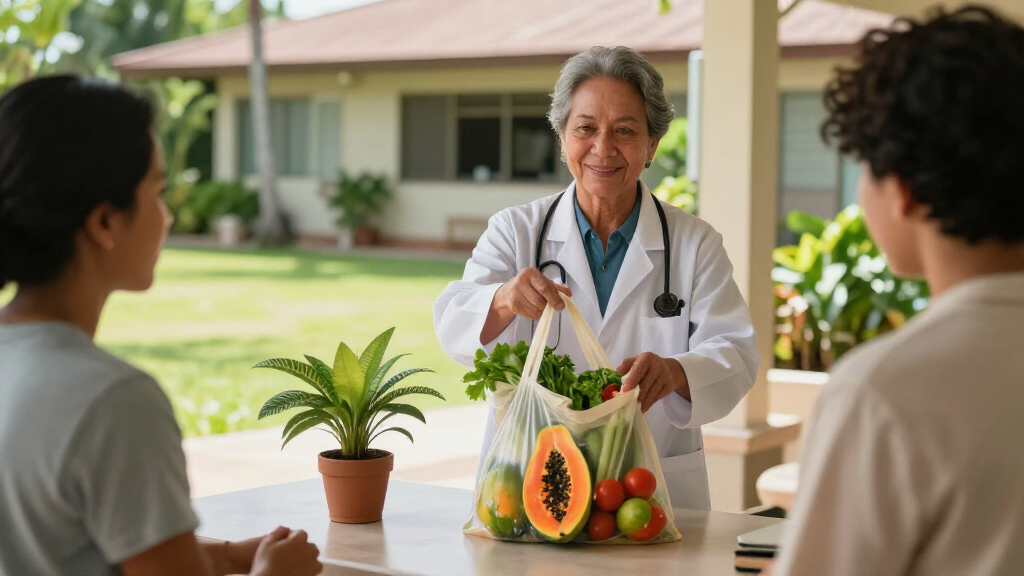
The initiative will roll out in three phases. The first is scheduled to start in January with nutrition education and food boxes for eligible patients. The boxes may include fresh produce and protein, with examples in the report including fruit, vegetables, fish, meat and eggs. The program operates through a special Medicaid arrangement authorized under the Social Security Act’s Section 1115 waiver, which permits experimental and innovative health programs.
Hawaii advocates and health providers want the program to support local agriculture as well as patient food access. They recommend that at least 15% of produce and protein come from local sources, but this is an aspiration, not a binding requirement. The report says supporters estimate the initiative could bring millions of dollars into the economy and create nearly 1,000 jobs; those are projected benefits, not confirmed results.
A pilot operating under the waiver gave Big Island residents Moses and Suzette Paio weekly produce and protein boxes for five months. The report says Suzette Paio’s average blood sugar fell by half and Moses Paio lost more than 70 pounds during their participation. Those individual outcomes do not establish what the larger program will achieve. The University of Hawaii is conducting a five-year study examining the program’s influence on hypertension at health centers across the islands.
Food Access Meets Medicaid Care
The plan could connect food support with clinical care for Medicaid patients whose health is affected by what they can afford and access. The report cites Hawaii Food Bank’s 2025 State of Food Security Report: about one-third of state households have insufficient access to adequate, nutritious and affordable food. It also reports that 43% of residents on the Big Island experience food insecurity, while about half of Native Hawaiians and Pacific Islanders are food insecure.
For patients in areas with limited access to fresh food, prescription boxes could make nutritious options more available while providing education on preparing and eating them. The initiative also presents a potential market for local farmers and fishers. Whether those benefits reach patients at scale will depend on program participation, food supply, delivery and the ability of health and food systems to coordinate.
Products Worth Considering

Fitbit Versa 2 Health and Fitness Smartwatch with Heart Rate, Alexa, Music, Sleep and Swim Tracking

OMRON Complete 2-in-1 Upper Arm Blood Pressure Monitor with EKG

Withings BPM Vision Blood Pressure Monitor with Wi-Fi and Bluetooth
As an affiliate, we earn on qualifying purchases.
Hawaii’s Waiver And Pilot Programs
The program has been in development for years and places Hawaii among at least a dozen states using Medicaid-related nutrition initiatives, according to the report. The state’s approach uses a federal Section 1115 waiver to test services through Medicaid rather than treating food prescriptions as a standard benefit for every enrollee.
Some nutrition-focused health programs already operate in West Oahu outside this new Medicaid initiative; the report says they have been running since 2017. Separately, pilot projects have provided food boxes, giving advocates early experience and data. Hawaii’s geography and exposure to natural disasters complicate efforts to build a reliable local food supply, while shipping food from the mainland can be easier. Program advocates say local sourcing can offer fresher and more culturally relevant foods, but the 15% target remains voluntary.
“It’s not binding, but it’s an aspiration.”
— Jordan Smith
Enrollment And Outcomes Remain Open
The report does not specify the program’s exact start date, the number of patients who will receive food in the first phase, how eligibility will be determined beyond Medicaid qualification, or how the later phases will work. It also does not provide a confirmed budget or operational details such as how patients will be referred and how food boxes will be distributed across the state.
The local sourcing share is a nonbinding goal, and the projected economic gains and job creation have not been established as outcomes. Pilot participants’ health changes are individual reports, not evidence that the program will produce the same results for other patients. The University of Hawaii’s five-year hypertension study is still underway, and broader evidence will take time to gather.
January Launch And Study Milestones
The first phase is expected to begin as soon as January with nutrition education and prescription food boxes for eligible patients. The state’s planned three-phase rollout will continue after that, but the source report does not give dates or describe the later stages. Health providers and food partners will need to coordinate delivery and supply as the initiative develops.
The University of Hawaii’s five-year hypertension study will provide further evidence as it tracks the program at health centers across the islands. That research, along with implementation data, may help clarify who is reached, how local sourcing works in practice and whether the model can be expanded.
Key Questions
When will Hawaii’s food prescription program start?
The first phase is planned to begin as soon as January. The report does not specify the year or an exact start date.
Who may qualify for food boxes?
The initiative is aimed at Hawaii residents who qualify for Medicaid. The report does not give further eligibility rules or say how many patients will receive boxes at launch.
What will the food boxes contain?
Examples include fresh fruit, vegetables and protein, such as fish, beef, chicken and eggs. The contents may vary; the report does not provide a fixed statewide menu.
Will the food be locally grown or caught?
Program advocates recommend sourcing at least 15% of produce and protein locally, but the target is voluntary rather than binding.
Has the program been shown to improve health?
The report describes encouraging changes for two participants in a five-month pilot, but those cases do not establish results for all patients. A five-year University of Hawaii study on hypertension is ongoing.
Source: medpagetoday.com