
TL;DR

Get workout gear delivered free with Prime
- Fast, free delivery on millions of items
- Prime Video, Amazon Music and more included
- Member-only deals all year
A Cochrane review found zinc may shorten cold symptoms by around two days, but rated the evidence as low-certainty and did not find convincing evidence that it reduces overall symptom severity. A dietitian says lozenges started early may be more promising than routine prevention, while studied doses can exceed public health limits and require caution.
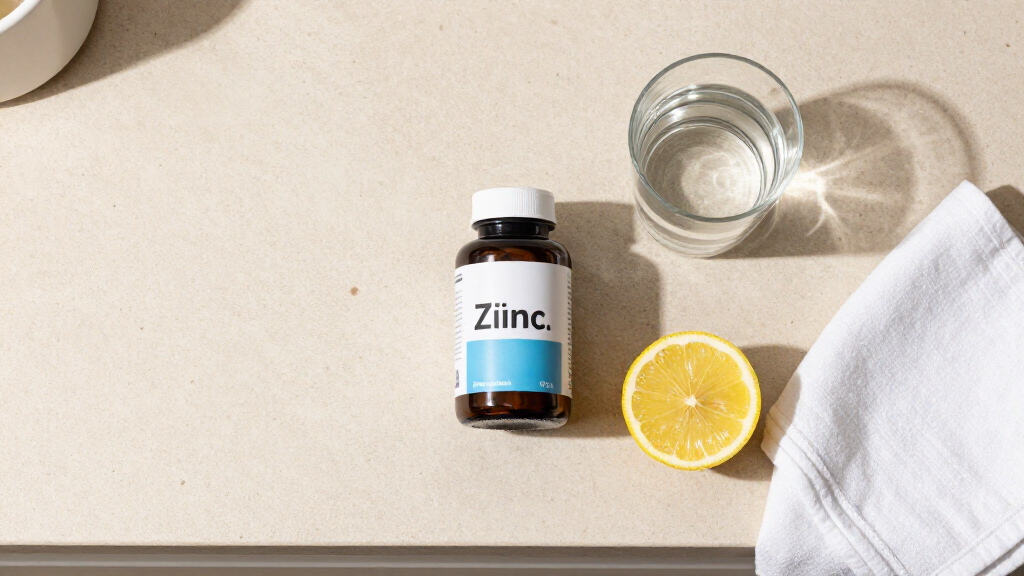
Zinc lozenges started soon after cold symptoms begin may shorten the illness, but the available evidence is not conclusive, according to registered dietitian Johannah Katz, cited by Fit&Well. A Cochrane review found a possible reduction of about two days; it did not find convincing evidence that zinc meaningfully reduces overall symptom severity.
Katz said zinc may be more useful as a short-term response after symptoms start than as a general immune supplement. She said the strongest evidence points to beginning it early, ideally within 24 hours of the first symptoms. The Cochrane review’s evidence was rated low in certainty because the included studies varied in dose, product formulation and design.
The source also describes a meta-analysis of seven trials that found zinc lozenges containing more than 75 milligrams of zinc shortened colds by an average of 33% compared with placebo. That result is separate from the Cochrane review’s estimate; the supplied report does not provide the meta-analysis’s full citation or publication details. Katz said evidence is stronger for lozenges than swallowed tablets and that trials have studied both zinc acetate and zinc gluconate.
Research has commonly tested roughly 75–90 mg of elemental zinc per day, often for less than two weeks. Katz said there is no evidence that doses above about 100 mg daily work better. These quantities exceed the US adult upper intake level of 40 mg per day, which counts zinc from food and supplements. The report says UK NHS guidance advises adults not to take more than 25 mg of zinc supplements daily unless a doctor advises otherwise.
Potential Relief Comes With Limits
A cold has no established cure, so even a possible reduction in its duration may interest people seeking symptom relief. But the evidence does not show that zinc reliably ends a cold sooner for everyone, and the review did not establish a meaningful reduction in the overall severity of symptoms. The finding is best understood as a possible modest benefit, not a guarantee.
The difference between a lozenge and a swallowed tablet may matter: lozenges dissolve in the mouth and release zinc near the mouth and throat. Researchers have suggested this local exposure could affect how cold viruses spread or replicate, but the mechanism has not been confirmed. The potential benefit must also be weighed against dose-related risks, especially because some studied regimens are above recommended daily limits.
For readers, the practical point is not to treat high-dose zinc as routine prevention or as a substitute for medical advice. Katz said preventive supplementation may have little or no effect on the likelihood of catching a cold. People considering a short course should check the product’s elemental zinc amount and discuss it with a pharmacist or healthcare professional, particularly if they take medication.
Products Worth Considering

Therabody Theragun Relief Massage Gun, 3-Speed, Black

Philips Sonicare 5950 Rechargeable Electric Toothbrush with 2 Brush Heads, Pink

BowFlex Results Series SelectTech Adjustable Dumbbells, Pair
As an affiliate, we earn on qualifying purchases.
What the Zinc Studies Tested
Zinc is an essential mineral that supports normal immune function. The source report describes it as helping immune cells work and communicate and helping regulate inflammation. Those biological roles do not, by themselves, establish that a supplement will prevent or treat a particular infection.
The cited research concerns different questions: whether zinc prevents colds, whether it changes symptom severity, and whether it shortens illness. Katz said the Cochrane review found the possible duration benefit but not convincing evidence of a meaningful change in overall severity; its review of prevention found little or no effect on the likelihood of developing a cold. The report’s 2027 meta-analysis is presented as a separate result, but the source material does not supply enough bibliographic information to verify its methods or timing.
Formulation and dose varied across studies, which is one reason the findings remain uncertain. Katz said both acetate and gluconate lozenges have shown benefit, with no significant difference between them in a meta-analysis she cited. She advised looking at the amount of elemental zinc, rather than the total weight of a zinc compound.
How Reliable Is the Benefit?
The size of any benefit remains uncertain. The Cochrane review rated its evidence low in certainty because studies differed in their designs, zinc doses and formulations. Its finding of a possible two-day reduction should not be read as a result that applies to every person or every zinc product.
The supplied report does not give the full citation or methods for the seven-trial meta-analysis it says found a 33% reduction in cold duration. The relationship between that estimate and the Cochrane review’s estimate is not explained, so they should not be combined into one conclusion. The proposed way zinc might affect viruses in the mouth and throat also remains unconfirmed.
Safety depends on dose, duration, other sources of zinc and a person’s health and medications. Common side effects include nausea, stomach upset and metallic taste. Long-term high-dose use can interfere with copper absorption and may impair immune function. Zinc can also interact with tetracycline and quinolone antibiotics and penicillamine. Nasal zinc sprays and gels have been linked with potentially permanent loss of smell, according to Katz.
Check Dose Before Using Zinc
The report does not announce a new clinical trial or change in medical guidance. For now, readers should treat zinc as a possible, limited aid rather than an established cold treatment. Anyone considering lozenges should check the label for elemental zinc and ask a pharmacist or healthcare professional about dose, duration and medication interactions. This is particularly relevant because trial doses cited in the report exceed the US adult upper intake level and UK supplement guidance.
Further clarity would require full publication details and assessment of the separate seven-trial meta-analysis, as well as more consistent studies of zinc formulations and dosing. Until then, the main evidence-based distinction in the report is between a possible short-term benefit after symptoms start and prevention, for which Katz said evidence is weak. Readers should seek professional advice for personal guidance and not use nasal zinc products.
Key Questions
Can zinc shorten a cold?
A Cochrane review found zinc may shorten cold symptoms by around two days, but rated the evidence low in certainty. The finding does not mean zinc will shorten every cold.
Which zinc products were associated with a possible benefit?
The report says the evidence is stronger for zinc lozenges than for swallowed tablets. Trials included zinc acetate and zinc gluconate lozenges; check the label for elemental zinc rather than the compound’s total weight.
When would zinc need to be started?
Katz said the strongest evidence supports starting it very early, ideally within 24 hours of the first symptoms. The research does not establish that this will work for everyone.
Are the doses studied safe to take without advice?
The report cites trial doses of roughly 75–90 mg of elemental zinc daily, which exceed the US adult upper intake level of 40 mg per day. Katz advises against routinely self-supplementing at these doses without checking with a pharmacist or healthcare professional. UK NHS guidance cited in the report says not to take more than 25 mg of zinc supplements daily unless advised by a doctor.
Should I use zinc to prevent a cold?
Katz said the latest Cochrane review found preventive zinc supplementation may have little or no effect on the chance of developing a cold. The report presents its potential usefulness as stronger for short-term use after symptoms begin.
Source: rss