
TL;DR

Get workout gear delivered free — and shop member deals
- Fast, free delivery on millions of items
- Access to Prime Big Deal Days deals on October 6–7
- Prime Video, Amazon Music and more included
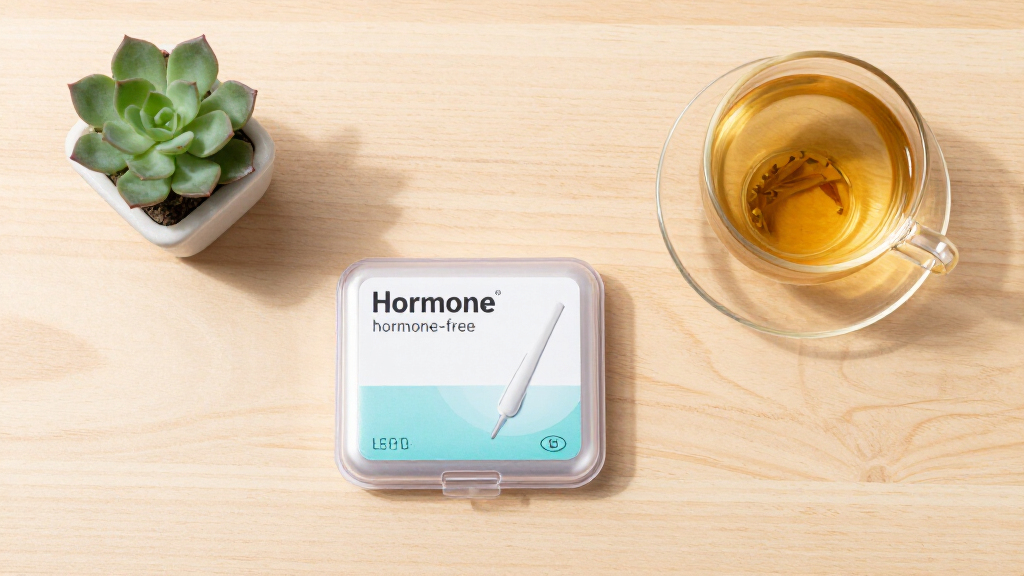
Interest in hormone-free IUDs among U.S. women is increasing, but supply shortages are preventing many from obtaining these contraceptives. The trend reflects a growing demand for non-hormonal options, though details remain uncertain.
U.S. women seeking hormone-free intrauterine devices (IUDs) are encountering significant supply shortages, with many unable to access these non-hormonal contraceptive options. The trend reflects a growing demand for hormone-free methods, but current distribution channels are failing to meet this need, raising concerns about access and reproductive choice.
According to recent reports, women across the United States are increasingly interested in hormone-free IUDs, which do not release synthetic hormones and are preferred by those seeking non-hormonal contraception. However, healthcare providers and pharmacies are struggling to keep these devices in stock. Several women have shared their frustrations on social media, describing difficulties in locating available options in their regions.
Experts note that the surge in interest may be linked to broader trends toward natural and hormone-free health choices, as well as concerns over hormonal side effects. Despite this rising demand, manufacturers and distributors report supply chain issues and limited production capacity, leading to shortages in many areas. Some clinics have reported delays in ordering or receiving hormone-free IUDs, causing frustration among patients and providers alike.
Health officials and medical professionals acknowledge that the shortage is a supply issue rather than a decline in demand, emphasizing that the need for non-hormonal options remains high. The U.S. Food and Drug Administration (FDA) has not announced any specific changes or restrictions affecting the availability of hormone-free IUDs at this time.
Impact of Limited Access on Women’s Reproductive Choices
The shortage of hormone-free IUDs has significant implications for women seeking non-hormonal contraception. For many, these devices are essential due to allergies, hormonal sensitivities, or personal preference. Limited access could lead to increased reliance on less effective or less preferred methods, potentially affecting reproductive autonomy and health outcomes. The situation underscores ongoing challenges in ensuring equitable access to a range of contraceptive options in the U.S.
As an affiliate, we earn on qualifying purchases.
Rising Interest in Non-Hormonal Contraception Methods
Interest in hormone-free contraception has grown over recent years, driven by concerns over hormonal side effects, personal health philosophies, and a broader movement toward natural health choices. This trend has been reflected in increased searches and discussions on social media platforms, with many women expressing a desire for alternatives to hormonal IUDs and other hormonal methods.
Historically, hormonal IUDs have dominated the U.S. market, but non-hormonal options like copper IUDs have gained popularity. Nonetheless, supply constraints have persisted for these devices, and recent spikes in demand have exacerbated shortages. It is not yet clear whether production capacity will increase to meet this rising interest.
Industry insiders suggest that the current shortages may also be linked to supply chain disruptions affecting medical device manufacturing more broadly, a situation that has been ongoing since the COVID-19 pandemic’s peak. The trend signals a potential shift in consumer preferences, but the infrastructure to support increased supply remains uncertain.
As an affiliate, we earn on qualifying purchases.
Unclear Extent and Future of Supply Shortages
It is not yet clear how widespread the shortages will become or whether manufacturers plan to increase production capacity in response to rising demand. The duration of current supply disruptions remains uncertain, and whether new policies or industry changes will address these gaps is unknown. Further data from manufacturers and health authorities are needed to assess the full scope and future outlook.
As an affiliate, we earn on qualifying purchases.
Monitoring Supply Trends and Policy Responses
Health officials and industry stakeholders are expected to monitor supply chain developments closely over the coming months. Possible actions include encouraging increased manufacturing, easing regulatory barriers, or expanding access through alternative distribution channels. Women seeking hormone-free IUDs should stay informed about availability updates from healthcare providers and advocacy groups.
As an affiliate, we earn on qualifying purchases.
Key Questions
Why are hormone-free IUDs in short supply?
Supply chain disruptions and limited production capacity are currently constraining availability, despite rising demand from women seeking non-hormonal contraception.
Are there alternative non-hormonal contraceptive options?
Yes, copper IUDs are a common non-hormonal option, but shortages of these devices are also being reported. Other methods include barrier methods and natural family planning, but their effectiveness varies.
Will the shortages improve soon?
It is unclear whether manufacturers will increase production or if supply chain issues will be resolved in the near term. Monitoring updates from health authorities and providers is recommended.
Who is most affected by these shortages?
Women who specifically prefer or need non-hormonal IUDs due to allergies, sensitivities, or personal choice are most impacted. Access disparities may widen if shortages persist.
What should women do if they cannot find a hormone-free IUD?
Women should consult their healthcare providers for alternative contraceptive options and stay updated on supply status through advocacy groups or clinics.
Source: rss
Fall Picks
fall essentials
As an affiliate, we earn on qualifying purchases.